FabulousFusionFood's Vegetable-based Recipes 38th Page
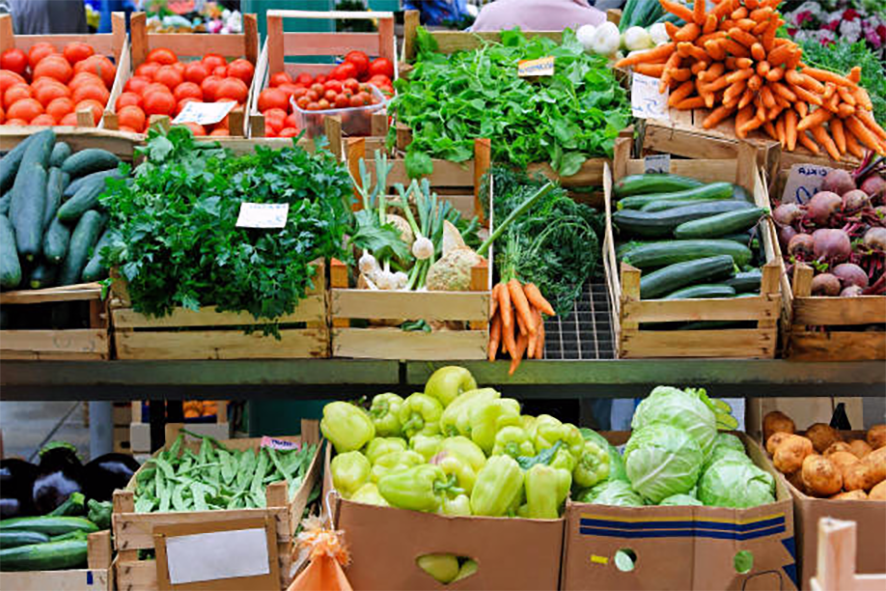 A vegetable market stall.
Welcome to FabulousFusionFood's Vegetable-based Recipes Page — The exact definition of "vegetable" may vary simply because of the many parts of a plant consumed as food worldwide—roots, stems, leaves, flowers, fruits, and seeds. The broadest definition is the word's use adjectivally to mean "matter of plant origin". More specifically, a vegetable may be defined as "any plant, part of which is used for food", a secondary meaning then being "the edible part of such a plant". A more precise definition is "any plant part consumed for food that is not a fruit or seed, but including mature fruits that are eaten as part of a main meal". Falling outside these definitions are edible fungi (such as edible mushrooms) which, although not parts of plants, are often treated as vegetables.
The word vegetable was first recorded in English in the early 15th century. It comes from Old French, and was originally applied to all plants; the word is still used in this sense in biological contexts. It derives from Medieval Latin vegetabilis "growing, flourishing" (i.e. of a plant), a semantic change from a Late Latin meaning "to be enlivening, quickening". The meaning of "vegetable" as a "plant grown for food" was not established until the 18th century. In 1767, the word was specifically used to mean a "plant cultivated for food, an edible herb or root". The year 1955 saw the first use of the shortened, slang term "veggie".
As an adjective, the word vegetable is used in scientific and technical contexts with a different and much broader meaning, namely of "related to plants" in general, edible or not—as in vegetable matter, vegetable kingdom, vegetable origin, etc.
In the definition of "vegetable", which is used in everyday language, the words "fruit" and "vegetable" are mutually exclusive. "Fruit" has a precise botanical meaning, being a part that developed from the ovary of a flowering plant. This is considerably different from the word's culinary meaning. While peaches, plums, and oranges are "fruit" in both senses, many items commonly called "vegetables", such as aubergines, bell peppers, squashes and tomatoes, are botanically fruit.
Vegetables play an important role in human nutrition. Most are low in fat and calories but are bulky and filling. They supply dietary fibre and are important sources of essential vitamins, minerals, and trace elements. Particularly important are the antioxidant vitamins A, C, and E. When vegetables are included in the diet, there is found to be a reduction in the incidence of cancer, stroke, cardiovascular disease, and other chronic ailments. Research has shown that, compared with individuals who eat less than three servings of fruits and vegetables each day, those that eat more than five servings have an approximately twenty percent lower risk of developing coronary heart disease or stroke. The nutritional content of vegetables varies considerably; some contain useful amounts of protein though generally they contain little fat, and varying proportions of vitamins such as vitamin A, vitamin K, and vitamin B6; provitamins; dietary minerals; and carbohydrates.
The consumption of crunchy and hard to chew foods, such as raw vegetables, during youth, while the bones are still growing, is needed for the human's, and other animals', jaws' proper development, and without their consumption, the jaws do not grow to their full size, thus not leaving enough room for the teeth to grow in correctly, causing crooked and impacted teeth.
The recipes presented here are either vegetable-based or have a significant vegetable component.
The alphabetical list of all the Vegetable-based recipes on this site follows, (limited to 100 recipes per page). There are 8002 recipes in total:
Page 38 of 81
| Kewa Phagsha (Spicy Pork with Potatoes) Origin: Bhutan | Kidney Bean Curry Origin: Britain | Kohl Westfalisch (Westphalian Cabbage II) Origin: Germany |
| Khabourga (Stuffed Lamb Flank) Origin: Armenia | Kig ha Farz (Meat with Stuffing) Origin: France | Kokada (Aruban Coconut Candy) Origin: Aruba |
| Khachapuri (Georgian Cheese Pie) Origin: Georgia | Kik Wot (Yellow Split Pea Stew) Origin: Ethiopia | Kokada (Bonaire Coconut Candy) Origin: Bonaire |
| Khachapuri iz Fasoli (Georgian Bean Pie) Origin: Georgia | Kilmeny Kail Origin: Scotland | Kokada (Curaçao Coconut Candy) Origin: Dominica |
| Khamas (Persian Dried Fruit Dessert) Origin: Iran | Kilmeny Kail Origin: Scotland | Kokam Aloo (Kokam Potatoes) Origin: India |
| Khao Pune (Chicken Curry Noodles) Origin: Laos | Kimchi Origin: Korea | Kokam Sharbat Origin: India |
| Khatai Biscuits Origin: Afghanistan | Kinaki (Island Root Vegetables) Origin: Cook Islands | Kokam Soup Origin: India |
| Khatta Curry Origin: India | Kingklip and Prawn Biryani Origin: South Africa | Koko Alaisa (Cocoa Rice Pudding) Origin: Samoa |
| Khatta Meetha (Cabbage Curry) Origin: India | Kinpira Gobo (Japanese-style Braised Burdock Root) Origin: Japan | Koko na Nyama (Meat with Koko) Origin: Central African Republic |
| Khatte Pudina Aloo (Tangy Minted Potatoes) Origin: India | Kiri Bath (Coconut Milk Rice) Origin: Sri Lanka | Kokonte Origin: Ghana |
| Khayan thee Hnat (Burmese Stuffed Aubergine Curry) Origin: Myanmar | Kiseli Kupus Origin: Croatia | Kokonte Origin: Togo |
| Khela Kalia (West Bengali Lamb Curry) Origin: India | Kishke (Stuffed Derma) Origin: Uzbekistan | Kokos Taart (Coconut Tart) Origin: Sint Eustatius |
| Khichidi Origin: India | Kishmish Vashli Tolma Origin: Armenia | Kokos Taart (Coconut Tart) Origin: Sint Maarten |
| Khichiri Origin: India | Kisra (Sudanese Flatbread) Origin: Sudan-a | Kokos Taart (Coconut Tart) Origin: Aruba |
| Khichuri Origin: India | Kissra Origin: Sudan-a | Kokos Taart (Coconut Tart) Origin: Curacao |
| Khinkali Origin: Georgia | Kittitian Pumpkin And Lentil Curry Origin: Saint Kitts | Kokosja Supa (Chicken Soup with Red Bell Peppers) Origin: Serbia |
| Khobz Ftir (Algerian Flatbread) Origin: Algeria | Kittitian Style Conkies Origin: Saint Kitts | Kokum Kari (Kokam Curry) Origin: India |
| Khoodra Mafrooka Origin: Sudan | Kizaca (Cassava Leaf and Peanut Stew) Origin: Angola | Koliko (Fried Yam Chips) Origin: Togo |
| Khoresh B'Amieh (Okra Stew) Origin: Iran | Kizaka with Palm Oil Origin: Angola | Kolokitha Yiemista me Rizi (Courgette Stuffed with Rice) Origin: Cyprus |
| Khoresht-e Loobia (Stewed Mutton with String Beans) Origin: Iran | Kjötsúpa II (Lamb Soup) Origin: Iceland | Kolokotes (Pastries Stuffed with Pumpkin) Origin: Cyprus |
| Khoshaf'ar'asali (Pumpkin and Nut Pudding) Origin: Egypt | Kjötsúpa (Icelandic Lamb Stew) Origin: Iceland | Komprek Eromba (Water Dropwort Eromba) Origin: India |
| Khowsuey Origin: Chile | Kjufteta Po Cirpanski (Meatballs and Potatoes) Origin: Bulgaria | Kondré de Porc (Kondré of Pork) Origin: Cameroon |
| Khoya (Condensed Milk Solids) Origin: India | Kleftiko (Roast Leg of Lamb) Origin: Cyprus | Kongodo (Peanut Brittle) Origin: Equatorial Guinea |
| Khukura re Pyaj Tareko (Chicken Curry with Onion) Origin: Nepal | Knedle sa Sljivama (Potato Dumplings with Plums) Origin: Serbia | Konkoé Turé Gbéli (Smoked Catfish Stew with Vegetables) Origin: Guinea |
| Khumb Matar (Mushroom and Green Pea Curry) Origin: India | Knekkebrød (Norwegian Crispbread) Origin: Norway | Kontomire Stew (Cocoyam Leaf Stew) Origin: Ghana |
| Khumbi Aloo (Mushroom and Potato Curry) Origin: India | Knol Khol Poriyal (Spicy Fried Kholrabi) Origin: India | Kopto à l'arachide (Kopto in Peanut Sauce) Origin: Niger |
| Kibbeh Origin: Lebanon | Kobi Bhaji Origin: India | Korean Fish Cakes Origin: Korea |
| Kibbeh Origin: Syria | Kobi Keema (Cabbage and Minced Meat Curry) Origin: India | Korean-flavoured Lamb Shanks with Swede and Potato Mash Origin: Fusion |
| Kibeba (Cassava and Cuttlefish Stew) Origin: Mozambique | Kobi Sabji (Cabbage Sabji) Origin: India | Korean-inspired Oxeye Daisy Greens Origin: Fusion |
| Kibeba de Angola Origin: Angola | Kocktail Yafo (Fish Cocktail) Origin: Israel | Korean-inspired Pollock Stew with Gochujang and Wild Greens Origin: Korea |
| Kıbrıs Pidesi (Cypriot Pita Bread) Origin: Cyprus | Kodoyo (Fish with Baobab Leaves) Origin: Togo | Korma Curry Paste Origin: Britain |
| Kiddley Broth Origin: England | Kofta Curry (Meatball Curry) Origin: Pakistan | Koro Owu Soup (Cotton Seed Soup) Origin: Nigeria |
| Kidney and Beef Soup Origin: Britain | Kofta Nakhod (Meatballs with Chickpeas) Origin: Afghanistan | |
| Kidney Bean and Black Bean Curry Origin: Fusion | Kofta Nakhod (Meatballs with Chickpeas) Origin: Tajikistan |
Page 38 of 81