FabulousFusionFood's Vegetable-based Recipes 44th Page
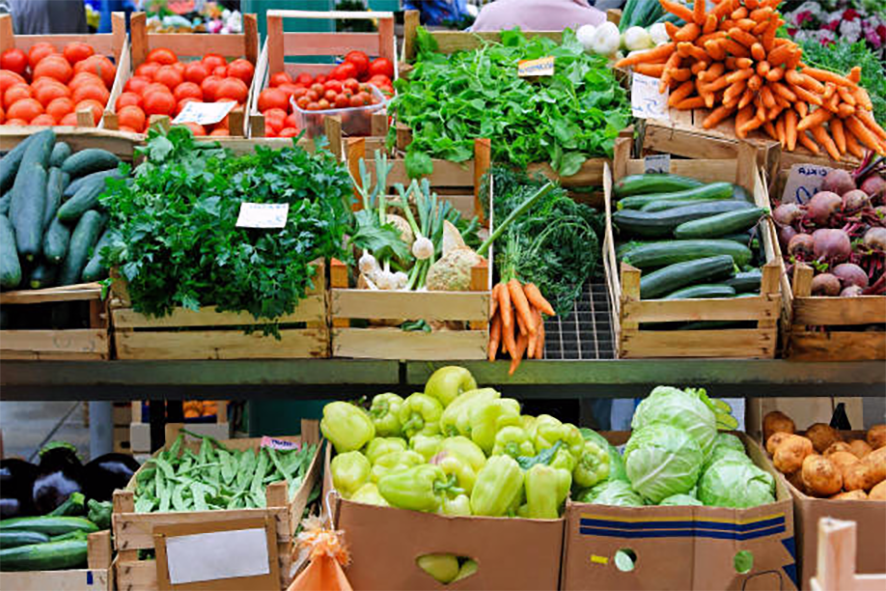 A vegetable market stall.
Welcome to FabulousFusionFood's Vegetable-based Recipes Page — The exact definition of "vegetable" may vary simply because of the many parts of a plant consumed as food worldwide—roots, stems, leaves, flowers, fruits, and seeds. The broadest definition is the word's use adjectivally to mean "matter of plant origin". More specifically, a vegetable may be defined as "any plant, part of which is used for food", a secondary meaning then being "the edible part of such a plant". A more precise definition is "any plant part consumed for food that is not a fruit or seed, but including mature fruits that are eaten as part of a main meal". Falling outside these definitions are edible fungi (such as edible mushrooms) which, although not parts of plants, are often treated as vegetables.
The word vegetable was first recorded in English in the early 15th century. It comes from Old French, and was originally applied to all plants; the word is still used in this sense in biological contexts. It derives from Medieval Latin vegetabilis "growing, flourishing" (i.e. of a plant), a semantic change from a Late Latin meaning "to be enlivening, quickening". The meaning of "vegetable" as a "plant grown for food" was not established until the 18th century. In 1767, the word was specifically used to mean a "plant cultivated for food, an edible herb or root". The year 1955 saw the first use of the shortened, slang term "veggie".
As an adjective, the word vegetable is used in scientific and technical contexts with a different and much broader meaning, namely of "related to plants" in general, edible or not—as in vegetable matter, vegetable kingdom, vegetable origin, etc.
In the definition of "vegetable", which is used in everyday language, the words "fruit" and "vegetable" are mutually exclusive. "Fruit" has a precise botanical meaning, being a part that developed from the ovary of a flowering plant. This is considerably different from the word's culinary meaning. While peaches, plums, and oranges are "fruit" in both senses, many items commonly called "vegetables", such as aubergines, bell peppers, squashes and tomatoes, are botanically fruit.
Vegetables play an important role in human nutrition. Most are low in fat and calories but are bulky and filling. They supply dietary fibre and are important sources of essential vitamins, minerals, and trace elements. Particularly important are the antioxidant vitamins A, C, and E. When vegetables are included in the diet, there is found to be a reduction in the incidence of cancer, stroke, cardiovascular disease, and other chronic ailments. Research has shown that, compared with individuals who eat less than three servings of fruits and vegetables each day, those that eat more than five servings have an approximately twenty percent lower risk of developing coronary heart disease or stroke. The nutritional content of vegetables varies considerably; some contain useful amounts of protein though generally they contain little fat, and varying proportions of vitamins such as vitamin A, vitamin K, and vitamin B6; provitamins; dietary minerals; and carbohydrates.
The consumption of crunchy and hard to chew foods, such as raw vegetables, during youth, while the bones are still growing, is needed for the human's, and other animals', jaws' proper development, and without their consumption, the jaws do not grow to their full size, thus not leaving enough room for the teeth to grow in correctly, causing crooked and impacted teeth.
The recipes presented here are either vegetable-based or have a significant vegetable component.
The alphabetical list of all the Vegetable-based recipes on this site follows, (limited to 100 recipes per page). There are 8002 recipes in total:
Page 44 of 81
| Marmalêd Eirin Gwyrdd (Greengage Marmalade) Origin: Welsh | Matbucha (Spicy Cooked Tomato and Pepper Salad) Origin: Israel | Mchuzi wa Biringani (Garden Egg Curry) Origin: Tanzania |
| Marolaym Origin: Mauritania | Matchstick Potatoes Origin: Britain | Mchuzi wa Biringani (Aubergine Curry) Origin: Tanzania |
| Marrakech Vegetable Curry Origin: Morocco | Matki Chi Rassa Bhaji (Maharashtrian Style Moth Beans) Origin: India | Mchuzi wa Kamba (Zanzibar Prawn Curry) Origin: Tanzania |
| Marraquetas (Chilean French Bread Rolls) Origin: Chile | Matlebekwane (Dumplings) Origin: Botswana | Mchuzi wa Samaki (Fish Curry) Origin: Tanzania |
| Marrow and Orange Cake with Cashew Butter Origin: Britain | Matlebekwane dumplings Origin: Botswana | Meadow Waxcap Curry with Rice Origin: Britain |
| Marsh Samphire with Red Chilli and Olive Oil Origin: Fusion | Matsavo (Pumpkin Leaf and Peanut Flour Stew) Origin: Mozambique | Meadow Waxcap Frittata Origin: Britain |
| Maru we-llham (Meat and Rice with Vegetables) Origin: Mauritania | Mattar Paneer (Green Peas and Curd Cheese Curry) Origin: Britain | Meadowsweet Cream Origin: Britain |
| Mas Huni Origin: Maldives | Mattar Paneer Curry Origin: India | Meadowsweet Lemon Curd Origin: Britain |
| Masak Lemak (Cabbage in Coconut Milk Gravy) Origin: Malaysia | Mattar Panir Origin: Britain | Mealie Pudding Origin: Scotland |
| Masala Fish Fried with Brinjals Origin: South Africa | Matzo Ball Soup Origin: Jewish | Meat and Potato Pasty Origin: England |
| Masala French Fries Origin: India | Matzo Balls Origin: Jewish | Meatball Brochettes Origin: Fusion |
| Masala Meusi Origin: East Africa | Matzo Crackers Origin: Jewish | Meatballs in Garlic Broth Origin: Algeria |
| Masale Baath (Maharashtrian Spicy Vegetable Rice) Origin: India | Matzoh Onion Stuffing Origin: Jewish | Meatballs in Yoghurt Sauce Origin: Uganda |
| Masaledaar Bakre ki Kaleji Gurda Phepsa (Lamb Offal Curry) Origin: India | Mauritanian Thieboudienne Origin: Mauritius | Meatless White Sauce Origin: British |
| Mascarpone Cupcakes with Strawberry Glaze Origin: American | Mauritian Colombo Chicken Curry Origin: Mauritius | Mediterranean Mint Salad Origin: Mediterranean |
| Masfouf bin Narine (Couscous and Nut Dessert) Origin: Tunisia | Mauritian Curry Masala Origin: Mauritius | Mediterranean-style Farro Salad with Rocket and Walnuts Origin: America |
| Mashed Creeping Bellflower Root Origin: Britain | Mavi Origin: Puerto Rico | Mediterranean-style Sardines Origin: Britain |
| Mashed Neeps Origin: Scotland | Mawa Gujiya Origin: India | Medium Stock Origin: Britain |
| Mashed Potatoes and Gravy Origin: America | Mawa Peda Origin: India | Medlar and Pear Mincemeat Origin: Britain |
| Mashed Sweet Potato Stuffing Origin: US Virgin Islands | Mayiritsa (Easter Soup) Origin: Greece | Medlar Cream Cake Origin: America |
| Masked Eggs with Asparagus Origin: England | Mayotte Mataba Origin: Mayotte | Medlar Muffins with Medlar Cream Cheese Icing Origin: Britain |
| Masoor Daal (Red Lentils) Origin: Bangladesh | Mazavaroo Origin: Mauritius | Medlar Sticky Toffee Pudding Origin: Britain |
| Masoor Dal Chur Churi Origin: Anglo-Indian | Mazze de Tamburo (Fried Shaggy Parasols) Origin: Italy | Medvjeđe Šape (Bear Paws) Origin: Croatia |
| Massa (Mini Millet Pancakes) Origin: Burkina Faso | MBakhal aux Arachides (MBakhal with Peanuts) Origin: Senegal | Meichowski Krupnik na Serwatce (Polish Whey-millet Soup) Origin: Poland |
| Massak'a (Egyptian Moussaka) Origin: Egypt | Mbaqanga (Bean and Goat Meat Stew) Origin: South Africa | Mejillones con Salsa Picante (Mussels with Spicy Sauce) Origin: Spain |
| Massaman Beef Curry Origin: Thailand | Mbatata Biscuits (Sweet Potato Biscuits) Origin: Malawi | Melachino (Greek Wedding Cake) Origin: Greece |
| Massaman Mutton Curry Origin: Thailand | Mbaxal Dieune Origin: Senegal | Melintzanes Yiemistes (Stuffed Aubergines) Origin: Cyprus |
| Mataba au Poisson (Mataba with Fish) Origin: Comoros | Mboh (Peanut Paste) Origin: Cameroon | Melitzanaki Toursi (Pickled Baby Aubergines) Origin: Greece |
| Matambre Arrollado (Argentinan Stuffed Rolled Beef) Origin: Argentina | Mboro Mboro (Sweet Potato Leaf and Palm Oil Stew) Origin: Senegal | Melitzanes Me Lathi (Aubergines with Olive Oil) Origin: Greece |
| Matapa Origin: Mozambique | Mboto à l'oseille (Fish with Sorrel) Origin: Congo | Melktert (Milk Tart) Origin: South Africa |
| Matapa de Abóbora (Pumpkin Matapa) Origin: Mozambique | Mboto à la Feuilles de Manioc (Fish with Cassava Leaves) Origin: Gabon | Melokhia Origin: Egypt |
| Matata (Clam and Peanut Stew) Origin: Mozambique | Mboto aux Champignons (Fish with Mushrooms) Origin: Congo | Melomakrona (Honey Semolina Biscuits) Origin: Greece |
| Matata (Clam, Pumpkin and Peanut Stew) Origin: Sao Tome | MBoume au Néverdaye (Senegalese Fish, Peanut and Cassava Stew with Millet Couscous) Origin: Senegal | |
| Matata (Clams Cooked in Port Wine) Origin: Sao Tome | Mchicha (Spinach, Coconut and Peanuts) Origin: Tanzania |
Page 44 of 81