FabulousFusionFood's Vegetable-based Recipes 46th Page
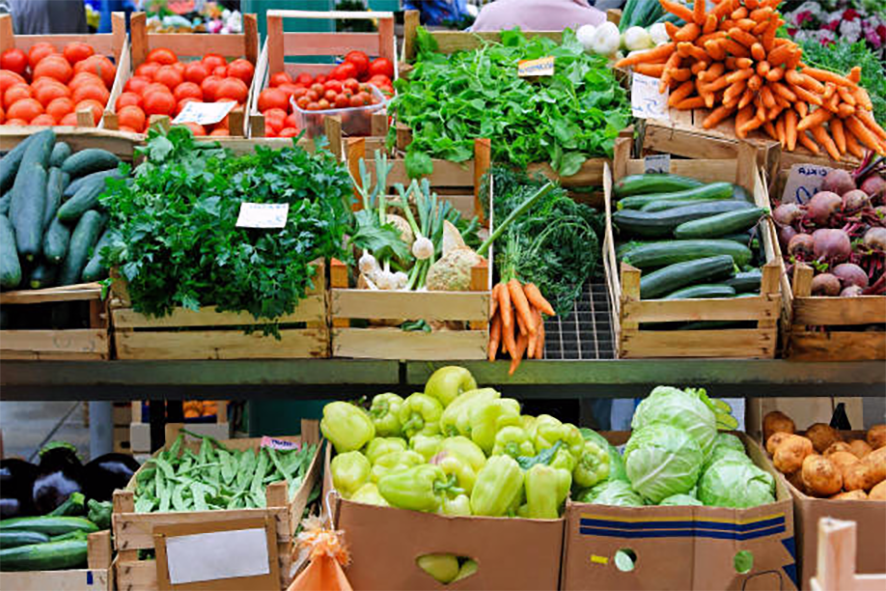 A vegetable market stall.
Welcome to FabulousFusionFood's Vegetable-based Recipes Page — The exact definition of "vegetable" may vary simply because of the many parts of a plant consumed as food worldwide—roots, stems, leaves, flowers, fruits, and seeds. The broadest definition is the word's use adjectivally to mean "matter of plant origin". More specifically, a vegetable may be defined as "any plant, part of which is used for food", a secondary meaning then being "the edible part of such a plant". A more precise definition is "any plant part consumed for food that is not a fruit or seed, but including mature fruits that are eaten as part of a main meal". Falling outside these definitions are edible fungi (such as edible mushrooms) which, although not parts of plants, are often treated as vegetables.
The word vegetable was first recorded in English in the early 15th century. It comes from Old French, and was originally applied to all plants; the word is still used in this sense in biological contexts. It derives from Medieval Latin vegetabilis "growing, flourishing" (i.e. of a plant), a semantic change from a Late Latin meaning "to be enlivening, quickening". The meaning of "vegetable" as a "plant grown for food" was not established until the 18th century. In 1767, the word was specifically used to mean a "plant cultivated for food, an edible herb or root". The year 1955 saw the first use of the shortened, slang term "veggie".
As an adjective, the word vegetable is used in scientific and technical contexts with a different and much broader meaning, namely of "related to plants" in general, edible or not—as in vegetable matter, vegetable kingdom, vegetable origin, etc.
In the definition of "vegetable", which is used in everyday language, the words "fruit" and "vegetable" are mutually exclusive. "Fruit" has a precise botanical meaning, being a part that developed from the ovary of a flowering plant. This is considerably different from the word's culinary meaning. While peaches, plums, and oranges are "fruit" in both senses, many items commonly called "vegetables", such as aubergines, bell peppers, squashes and tomatoes, are botanically fruit.
Vegetables play an important role in human nutrition. Most are low in fat and calories but are bulky and filling. They supply dietary fibre and are important sources of essential vitamins, minerals, and trace elements. Particularly important are the antioxidant vitamins A, C, and E. When vegetables are included in the diet, there is found to be a reduction in the incidence of cancer, stroke, cardiovascular disease, and other chronic ailments. Research has shown that, compared with individuals who eat less than three servings of fruits and vegetables each day, those that eat more than five servings have an approximately twenty percent lower risk of developing coronary heart disease or stroke. The nutritional content of vegetables varies considerably; some contain useful amounts of protein though generally they contain little fat, and varying proportions of vitamins such as vitamin A, vitamin K, and vitamin B6; provitamins; dietary minerals; and carbohydrates.
The consumption of crunchy and hard to chew foods, such as raw vegetables, during youth, while the bones are still growing, is needed for the human's, and other animals', jaws' proper development, and without their consumption, the jaws do not grow to their full size, thus not leaving enough room for the teeth to grow in correctly, causing crooked and impacted teeth.
The recipes presented here are either vegetable-based or have a significant vegetable component.
The alphabetical list of all the Vegetable-based recipes on this site follows, (limited to 100 recipes per page). There are 8002 recipes in total:
Page 46 of 81
| Minestrone Toscana (Tuscan Minestrone Soup) Origin: Italy | Mixtura cum Caseo (Soft Cheese and Herb Purée) Origin: Roman | Molokheya au Poulet (Chicken Molokhia) Origin: Tunisia |
| Mini Blueberry and Lemon Muffins Origin: Britain | Mixtura cum Nucleis Pineis (Pine Nut, Cheese and Herb Pâté) Origin: Roman | Molokhia (Egyptian Greens Soup) Origin: Egypt |
| Mini Chocolate Cupcakes Origin: Britain | Miyan Kuka II (Baobab Leaf Soup II) Origin: Nigeria | Molokhia Origin: Egypt |
| Mini Curried Shepherd's Pie Origin: South Africa | Miyan Kuuka Soup (Fish and Baobab Leaf Powder Soup) Origin: Ghana | Molokhia (Jute Mallow Soup) Origin: Egypt |
| Mini Goat's Cheese and Sunblush Tomato Muffins (Mini Goat's Cheese and Sunblush Tomato Muffins) Origin: Britain | Miyeok Julgi Bokkeum (Korean Kelp Stem Accompaniment) Origin: Korea | Moloukhia (Jute Leaf Stew) Origin: Niger |
| Mini Jackfruit Tacos with Charred Sweetcorn and Gochujang Mayo Origin: Fusion | Mkatra Siniya (Comorian Tray Cake) Origin: Comoros | Momo Achar Origin: Nepal |
| Mini Orange Polenta Cake Origin: Fusion | Mkhwani with Groundnut Flour Origin: Malawi | Monarda Syrup Origin: American |
| Mini Victoria Sandwiches Origin: Britain | Moambé Stew Origin: Congo | Mongos (Mung Bean Soup with Chorizo and Squash) Origin: Philippines |
| Mint Chocolate Brownies Origin: American | Moana-Roa Mahimahi Origin: Cook Islands | Monkey Gland Sauce Origin: Zimbabwe |
| Mint Jelly Origin: Britain | Mocha Fudge Origin: Britain | Monkfish Skewers with Coconut and Coriander Origin: Britain |
| Mint Shortbread Biscuits Origin: Ireland | Mochi Pancakes Origin: Hawaii | Monkfish with Potatoes, Artichokes and Prosciutto Origin: Britain |
| Minted Peas Origin: Britain | Mochi Pancakes Origin: Japan | Monkfish, Bacon, Bell Pepper and Mushroom Kebabs Origin: Fusion |
| Minutal Apicianum (Ragout à la Apicius) Origin: Roman | Mock Haggis Origin: Scotland | Monlar Oo Chin Ye Hin (Myanmar Tangy Soup) Origin: Myanmar |
| Minutal Dulce ex Citriis (Sweet Citron Ragout) Origin: Roman | Mock Turtle II Origin: British | Mont Blanc Coco Antillais (Antillean Coconut Mont Blanc Cake) Origin: French Guiana |
| Minutal ex Iecineribus et Pulmonibus Leporis (Hare's Liver and Lights Ragout) Origin: Roman | Mofo Akondro (Malagasy Banana Fritters) Origin: Madagascar | Mont Blanc Coco Antillais (Antillean Coconut Mont Blanc Cake) Origin: Saint Barthelemy |
| Minutal Terentinum (Terentine Ragout) Origin: Roman | Mofo Sakay (Spiced Fritters) Origin: Madagascar | Mont Blanc Coco Antillais (Antillean Coconut Mont Blanc Cake) Origin: Saint-Martin |
| Miondo (Cassava Sticks) Origin: Cameroon | Mogatla (Oxtail Casserole) Origin: Botswana | Mont Blanc Coco Antillais (Antillean Coconut Mont Blanc Cake) Origin: Guadeloupe |
| Misir W'ot Origin: Ethiopia | Moh Let Saung (Coconut Milk with Sago) Origin: Myanmar | Mont Blanc Coco Antillais (Antillean Coconut Mont Blanc Cake) Origin: Martinique |
| Miso Soup with Tade Origin: Japan | Moi-Moi Origin: Nigeria | Mont Blanc Cupcakes Origin: Britain |
| Missi Roti Origin: India | Moina Tai (Coconut Cream Sauce) Origin: Cook Islands | Montenegrin Imam Bajeldi Origin: Montenegro |
| Missi Roti Origin: India | Moist Chocolate Sponge Cake Origin: Ireland | Montserratian Black Bean Soup Origin: Montserrat |
| Mitmita Origin: Ethiopia | Mojo Marinade Origin: Cuba | Montserratian Corn Soup Origin: Montserrat |
| Mitten of Pork Origin: Britain | Mokoto Origin: Benin | Montserratian Fisherman's Stew Origin: Montserrat |
| Mitumba (Cassava Sticks) Origin: Cameroon | Molasses Refrigerator Muffins Origin: American | Montserratian Goat Water Origin: Montserrat |
| Mixed Bell Pepper and Red Onion Pizza Origin: Italy | Mole Poblano Enmoladas Origin: Mexico | Montserratian Green Seasoning Origin: Montserrat |
| Mixed Grill Origin: Britain | Mole Verde (Green Mole) Origin: Mexico | Montserratian Souse Origin: Montserrat |
| Mixed Grill Skewers Origin: Britain | Mole-style Sweet Potato Chili Origin: American | Moo Shu Pork Origin: China |
| Mixed Mushroom Soup with Chu Hou Origin: Fusion | Molho de Piri-Piri (Mozambican Peri-peri Sauce) Origin: Mozambique | Mooli and Garlic Beef with Pine Nuts Origin: Australia |
| Mixed Vegetable Curry Origin: Britain | Molho peri-peri moçambicano (Mozambican peri-peri sauce) Origin: Mozambique | Moong Pulao (Mung Bean Pulao) Origin: Pakistan |
| Mixed Vegetable Pickle Origin: India | Molho Piri-piri (Portuguese Piri-piri Sauce) Origin: Portugal | Moongre ki Subzi (Radish Pod and Potato Sauté) Origin: India |
| Mixed Wild Greens with Himalayan Balsam Seed Dressing Origin: British | Mollag (Manx Christmas Haggis) Origin: Manx | Moqueca de Camarão (Prawn Stew) Origin: Angola |
| Mixed Wild Mushroom Soup Origin: Britain | Mologathanni Soup Origin: Sri Lanka | Moqueca de Peixe (Braised Whole Fish) Origin: Guinea-Bissau |
| Mixtura cum amygdalinam et sesamae (Almond, Seame and Herb Purée) Origin: Roman | Mologothannie Origin: Sri Lanka | |
| Mixtura cum Caseo (Soft Cheese with a Herb Purée) Origin: Roman | Molohiya (Chicken and Jute Mallow Stew) Origin: Northern Cyprus |
Page 46 of 81