FabulousFusionFood's Vegetable-based Recipes 52th Page
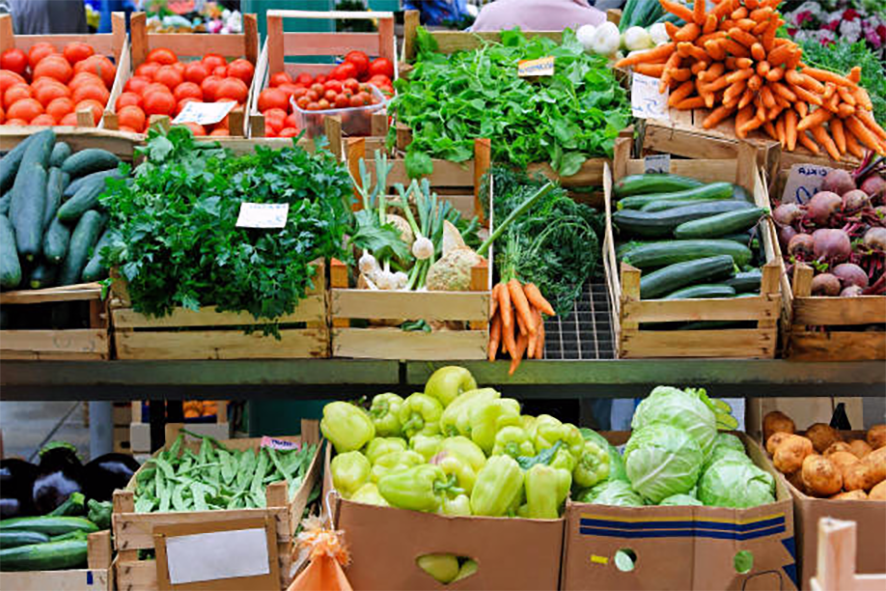 A vegetable market stall.
Welcome to FabulousFusionFood's Vegetable-based Recipes Page — The exact definition of "vegetable" may vary simply because of the many parts of a plant consumed as food worldwide—roots, stems, leaves, flowers, fruits, and seeds. The broadest definition is the word's use adjectivally to mean "matter of plant origin". More specifically, a vegetable may be defined as "any plant, part of which is used for food", a secondary meaning then being "the edible part of such a plant". A more precise definition is "any plant part consumed for food that is not a fruit or seed, but including mature fruits that are eaten as part of a main meal". Falling outside these definitions are edible fungi (such as edible mushrooms) which, although not parts of plants, are often treated as vegetables.
The word vegetable was first recorded in English in the early 15th century. It comes from Old French, and was originally applied to all plants; the word is still used in this sense in biological contexts. It derives from Medieval Latin vegetabilis "growing, flourishing" (i.e. of a plant), a semantic change from a Late Latin meaning "to be enlivening, quickening". The meaning of "vegetable" as a "plant grown for food" was not established until the 18th century. In 1767, the word was specifically used to mean a "plant cultivated for food, an edible herb or root". The year 1955 saw the first use of the shortened, slang term "veggie".
As an adjective, the word vegetable is used in scientific and technical contexts with a different and much broader meaning, namely of "related to plants" in general, edible or not—as in vegetable matter, vegetable kingdom, vegetable origin, etc.
In the definition of "vegetable", which is used in everyday language, the words "fruit" and "vegetable" are mutually exclusive. "Fruit" has a precise botanical meaning, being a part that developed from the ovary of a flowering plant. This is considerably different from the word's culinary meaning. While peaches, plums, and oranges are "fruit" in both senses, many items commonly called "vegetables", such as aubergines, bell peppers, squashes and tomatoes, are botanically fruit.
Vegetables play an important role in human nutrition. Most are low in fat and calories but are bulky and filling. They supply dietary fibre and are important sources of essential vitamins, minerals, and trace elements. Particularly important are the antioxidant vitamins A, C, and E. When vegetables are included in the diet, there is found to be a reduction in the incidence of cancer, stroke, cardiovascular disease, and other chronic ailments. Research has shown that, compared with individuals who eat less than three servings of fruits and vegetables each day, those that eat more than five servings have an approximately twenty percent lower risk of developing coronary heart disease or stroke. The nutritional content of vegetables varies considerably; some contain useful amounts of protein though generally they contain little fat, and varying proportions of vitamins such as vitamin A, vitamin K, and vitamin B6; provitamins; dietary minerals; and carbohydrates.
The consumption of crunchy and hard to chew foods, such as raw vegetables, during youth, while the bones are still growing, is needed for the human's, and other animals', jaws' proper development, and without their consumption, the jaws do not grow to their full size, thus not leaving enough room for the teeth to grow in correctly, causing crooked and impacted teeth.
The recipes presented here are either vegetable-based or have a significant vegetable component.
The alphabetical list of all the Vegetable-based recipes on this site follows, (limited to 100 recipes per page). There are 8002 recipes in total:
Page 52 of 81
| Pan Bagnat (Monaco-style Sandwiches) Origin: Monaco | Paneer Sukka Origin: India | Pargo con Tomate (Snapper with Tomato) Origin: Colombia |
| Pan con Tomate (Bread with Tomatoes) Origin: Spain | Paneer Tikka Origin: India | Parilla de Pescado (Barbecued Fish) Origin: Equatorial Guinea |
| Pan con Tomate (Bread with Tomatoes) Origin: Andorra | Paneer Tikka Masala Origin: India | Parisienne Potatoes Origin: France |
| Pan de Yuca (Colombian Yuca Bread) Origin: Colombia | Panes Rellenos (Salvadorean-style Smothered Rolls) Origin: El Salvador | Parma Ham and Horseradish Greens Strata Origin: Britain |
| Pan di Spagna Origin: Italy | Panettone with Mascarpone and Strawberries Origin: Britain | Parmentier de Canard (Duck Parmentier) Origin: France |
| Pan Haggerty Origin: England | Pangiallo romano (Roman Christmas Cake) Origin: Italy | Parmentier de confit de canard (Confit of Duck Cottage Pie) Origin: France |
| Pan Kail Origin: British | Pangiallo romano (Roman Christmas Cake) Origin: Vatican City | Parmentier Potatoes Origin: France |
| Pan Loaf Bread Origin: Scotland | Pangratto Origin: Italy | Parmesan Oatmeal Muffins Origin: British |
| Pan-fried Sea Bass with Lemon Mash Origin: Britain | Panis Quadratus (Four-cut Loaf) Origin: Roman | Parmesan Orzo Origin: Italy |
| Pan-fried Turbot with Summer Truffle Sauce Origin: Britain | Panjiri Origin: India | Parotta Origin: India |
| Pan-fried Venison Liver with Onions and Mustard Mash Origin: Britain | Pansotti di Rapallo (Pansotti with Walnut Sauce) Origin: Italy | Parseli Brithyll a Thatws Cynnar (Trout and New Potato Parcels) Origin: Welsh |
| Pancit Bihon (Thin Rice Noodles with Vegetables) Origin: Philippines | Pap II Origin: South Africa | Parseli Cennin (Leek Parcels) Origin: Welsh |
| Pane all'olio d'oliva (Olive Oil Bread) Origin: Italy | Papadzules Origin: Mexico | Parseli Ffilo Cennin a Chaws Caerffili (Leek and Caerphilly Cheese Parcels) Origin: Welsh |
| Pane di Casa Origin: Italy | Papas Arrugadas (Canaries Wrinkled Potatoes) Origin: Spain | Parsley and Fennel Soup Origin: Britain |
| Pane di Vaticano Origin: Vatican City | Papas de Mandioca (Cassava Porridge) Origin: Mozambique | Parsley Pesto Origin: Saint Pierre |
| Paneer 65 Origin: Britain | Papaya Fairy Cakes with Tangy Lemon Glaze Origin: African Fusion | Parsnip and Apple Soup Origin: England |
| Paneer Bhurji Origin: India | Papeeta Kari (Green Papaya Curry) Origin: India | Parsnip and Apples Origin: Ireland |
| Paneer Butter Masala Origin: India | Papelón con Limón (Piloncillo and Lime Drink) Origin: Venezuela | Parsnip Cakes Origin: Ireland |
| Paneer Capsicum Curry Origin: India | Papo Secos (Crusty Portuguese Rolls) Origin: Portugal | Parsnip Crisps Origin: Britain |
| Paneer Cheese Origin: India | Papo Secos (Crusty Portuguese Rolls) Origin: Angola | Parsnip Soup Origin: British |
| Paneer Jalfrezi Origin: Britain | Papo Secos (Crusty Portuguese Rolls) Origin: Mozambique | Parthade Origin: India |
| Paneer Kofta Origin: India | Papo Secos (East Timor Portuguese Rolls) Origin: East Timor | Parthade Curry Origin: India |
| Paneer Korma Origin: Britain | Pappardelle con Ragù di Funghi Misti (Pappardelle with Mixed Mushroom Ragù) Origin: Italy | Partridge Soup Origin: British |
| Paneer Lababdar Origin: India | Paprika Potatoes Origin: Israel | Party Cupcakes Origin: Britain |
| Paneer Lababdar Origin: India | Paprika Sauce Origin: Anglo-Indian | Party Poussins Origin: Britain |
| Paneer Makhani Origin: India | Paprika Sausage Origin: Britain | Pasanda Sauce Origin: Britain |
| Paneer Makhanwala Origin: India | Papuan Sago Pancake Origin: Papua New Guinea | Pască (Sweet Easter Bread Pie) Origin: Romania |
| Paneer Manchurian Origin: Britain | Paradise Salsa Origin: Cayman Islands | Paskha (Russian Easter Cheesecake) Origin: Russia |
| Paneer Maza (Chilli Paneer) Origin: India | Paradise Slice Origin: Scotland | Pašrūtum (Unwinding Mesopotamian Vegetable Stew) Origin: Mesopotamia |
| Paneer Paratha Origin: India | Paramin Green Seasoning Origin: Trinidad | Passion Cake Origin: Britain |
| Paneer Pasanda Origin: India | Parasol Fritters Origin: Britain | Passion Fruit and Orange Butterfly Cakes Origin: Britain |
| Paneer Pasanda Origin: India | Paratoi Bara Lafwr (Preparing Laverbread) Origin: Welsh | Passion Fruit Pie Origin: Norfolk Island |
| Paneer Roll Origin: India | Parcha Bozbash (Lamb Soup with Chestnuts and Quince) Origin: Armenia | |
| Paneer Shabnam Origin: India | Parched Peas Origin: England |
Page 52 of 81