FabulousFusionFood's Vegetable-based Recipes 65th Page
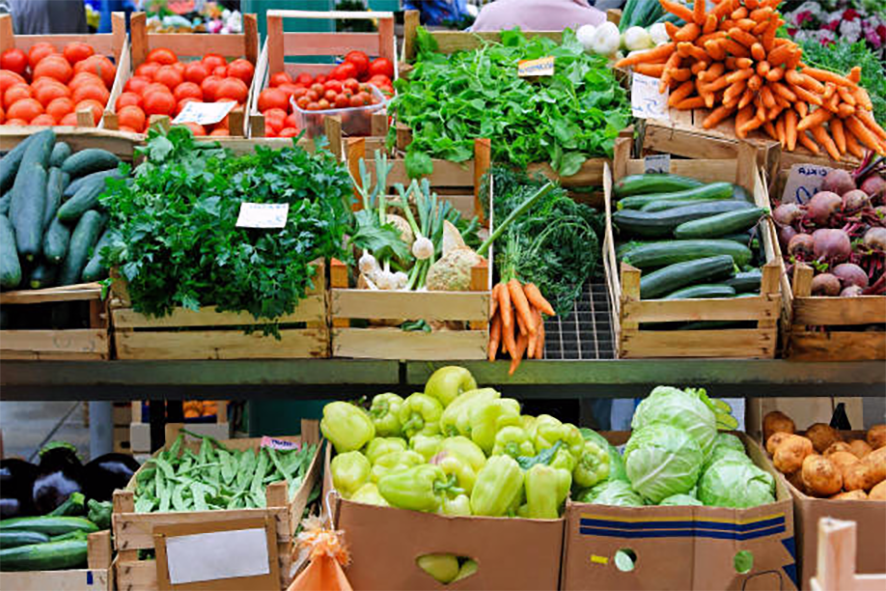 A vegetable market stall.
Welcome to FabulousFusionFood's Vegetable-based Recipes Page — The exact definition of "vegetable" may vary simply because of the many parts of a plant consumed as food worldwide—roots, stems, leaves, flowers, fruits, and seeds. The broadest definition is the word's use adjectivally to mean "matter of plant origin". More specifically, a vegetable may be defined as "any plant, part of which is used for food", a secondary meaning then being "the edible part of such a plant". A more precise definition is "any plant part consumed for food that is not a fruit or seed, but including mature fruits that are eaten as part of a main meal". Falling outside these definitions are edible fungi (such as edible mushrooms) which, although not parts of plants, are often treated as vegetables.
The word vegetable was first recorded in English in the early 15th century. It comes from Old French, and was originally applied to all plants; the word is still used in this sense in biological contexts. It derives from Medieval Latin vegetabilis "growing, flourishing" (i.e. of a plant), a semantic change from a Late Latin meaning "to be enlivening, quickening". The meaning of "vegetable" as a "plant grown for food" was not established until the 18th century. In 1767, the word was specifically used to mean a "plant cultivated for food, an edible herb or root". The year 1955 saw the first use of the shortened, slang term "veggie".
As an adjective, the word vegetable is used in scientific and technical contexts with a different and much broader meaning, namely of "related to plants" in general, edible or not—as in vegetable matter, vegetable kingdom, vegetable origin, etc.
In the definition of "vegetable", which is used in everyday language, the words "fruit" and "vegetable" are mutually exclusive. "Fruit" has a precise botanical meaning, being a part that developed from the ovary of a flowering plant. This is considerably different from the word's culinary meaning. While peaches, plums, and oranges are "fruit" in both senses, many items commonly called "vegetables", such as aubergines, bell peppers, squashes and tomatoes, are botanically fruit.
Vegetables play an important role in human nutrition. Most are low in fat and calories but are bulky and filling. They supply dietary fibre and are important sources of essential vitamins, minerals, and trace elements. Particularly important are the antioxidant vitamins A, C, and E. When vegetables are included in the diet, there is found to be a reduction in the incidence of cancer, stroke, cardiovascular disease, and other chronic ailments. Research has shown that, compared with individuals who eat less than three servings of fruits and vegetables each day, those that eat more than five servings have an approximately twenty percent lower risk of developing coronary heart disease or stroke. The nutritional content of vegetables varies considerably; some contain useful amounts of protein though generally they contain little fat, and varying proportions of vitamins such as vitamin A, vitamin K, and vitamin B6; provitamins; dietary minerals; and carbohydrates.
The consumption of crunchy and hard to chew foods, such as raw vegetables, during youth, while the bones are still growing, is needed for the human's, and other animals', jaws' proper development, and without their consumption, the jaws do not grow to their full size, thus not leaving enough room for the teeth to grow in correctly, causing crooked and impacted teeth.
The recipes presented here are either vegetable-based or have a significant vegetable component.
The alphabetical list of all the Vegetable-based recipes on this site follows, (limited to 100 recipes per page). There are 8002 recipes in total:
Page 65 of 81
| Sapasui Pisupo (Corned Beef Chop Suey) Origin: Tokelau | Sauce Feuilles de Manioc Camerounaise (Cameroonian Cassava Leaf Sauce) Origin: Cameroon | Savoury Corn Muffins Origin: American |
| Sarajevo Okra Soup Origin: Bosnia | Sauce Gbanbouda (Tô with Okra Sauce and Peanuts) Origin: Guinea | Savoury Farro Breakfast Porridge Origin: Fusion |
| Sarapatel Origin: India | Sauce Genevoise Origin: France | Savoury Honey Fungus Tart Origin: Britain |
| Saratoga Wine Origin: England | Sauce Gombo (Gombo Sauce) Origin: Guinea | Savoury Kale Colcannon Origin: Ireland |
| Sardines à la bretonne (Breton-style sardines) Origin: France | Sauce Gombo Origin: Niger | Savoury Party Bites Origin: Britain |
| Sareng Thongba (Manipuri Catfish Curry) Origin: India | Sauce Gombo et Boeuf (Okra Sauce with Beef) Origin: Burkina Faso | Savoury Potato Roulade Origin: Ireland |
| Sargaborso Leves (Hungarian Yellow Split Pea Soup) Origin: Hungary | Sauce Gombo Togolaise (Togolese Okra Sauce) Origin: Togo | Savoury Potato Waffles Origin: Britain |
| Sarikayo Telor (Steamed Egg and Coconut Milk Pudding) Origin: Indonesia | Sauce Gombos Burkinabé (Burkinabe Okra Sauce) Origin: Burkina Faso | Saws Béchamel (Béchamel Sauce) Origin: Welsh |
| Sarma (Meat-stuffed Cabbage Leaves) Origin: Kosovo | Sauce Koumrangan (Hibiscus Leaf Sauce) Origin: Chad | Saws Bara Lawr (Laverbread Sauce) Origin: Welsh |
| Sarma (Stuffed Cabbage Leaves) Origin: Serbia | Sauce Légume Origin: Benin | Saws Persli (Parsley Sauce) Origin: Welsh |
| Sarmale (Stuffed Cabbage Leaves) Origin: Romania | Sauce Mornay Origin: France | Sayadieh Samak (Baked Fish with Rice) Origin: Saudi Arabia |
| Sarson Aloo Origin: Fusion | Sauce Moundourou (Moundourou Leaf Sauce) Origin: Chad | Sazón Goya Origin: Puerto Rico |
| Sarson ka Saag (Mustard Greens and Spinach Curry) Origin: India | Sauce Oseille (Sorrel Sauce) Origin: Burkina Faso | Sbiaat Origin: Morocco |
| Sarson Saag Gosht (Lamb and Rapeseed Greens Curry with Yoghurt) Origin: India | Sauce piquante créole (Creole Hot Sauce) Origin: Guadeloupe | Scallop and Mushroom Pie Origin: Ireland |
| Saté (Marinated Kebabs) Origin: Aruba | Sauce Robert Origin: British | Scallop Broth with Cornish Earlies Origin: England |
| Satan's Fantasy Chili Origin: American | Sauce Rouille (Rouille Sauce) Origin: France | Scallop Pie Origin: Northern Ireland |
| Satatsuri (Georgian Asparagus Soup) Origin: Georgia | Sauce sarzyne (Saracen Sauce) Origin: England | Scalloped Morel Mushrooms Origin: American |
| Satay Chicken Curry Origin: Malaysia | Sauce Tartare Origin: France | Schalada Origin: Morocco |
| Satay Skewers Origin: Cocos Islands | Sauce Tomate (Tomato Sauce) Origin: France | Schenecken (Crispy Butterhorns) Origin: Germany |
| Saté ku batata (Satay with Potatoes) Origin: Bonaire | Sauci Yohss (Gambian Mussel Meats in Tomato Sauce with Potatoes) Origin: Gambia | Schug (Middle Eastern Hot Pepper Dip) Origin: Middle East |
| Sathe Curry (Beef and Coconut Curry) Origin: Sri Lanka | Saudi Arabian Jareesh Origin: Saudi Arabia | Schurbat Adas Ma Qar (Iraqi Lentil and Pumpkin Soup) Origin: Iraq |
| Sauce à l'Arachide Congolaise (Congolese Peanut Sauce) Origin: DR-Congo | Sauerbraten II (Soured Beef) Origin: Germany | Schwarzwurz Origin: Germany |
| Sauce à la Noix de Coco (Coconut Sauce) Origin: Togo | Sauerkraut Filling for Vareniki Origin: Ukraine | Schweinefleisch mit Wurzelgemüse und Äpfeln (Pork with Root Vegetables and Apples) Origin: Germany |
| Sauce Arachide de Burkina Faso (Burkinabe Peanut Sauce) Origin: Burkina Faso | Sausage and Bacon Mustard Hotdogs with Caramelized Onions Origin: Britain | Schweinshaxe (Pork Hocks) Origin: Germany |
| Sauce aux Arachides du Tchad (Chadian Peanut Sauce) Origin: Chad | Sausage Roly-poly Origin: England | Scone and Butter Pudding Origin: Scotland |
| Sauce Chien (Dog Sauce) Origin: Martinique | Sausage, Apple and Cranberry Stuffing Origin: American | Scotch Bonnet Pepper Sauce Origin: Jamaica |
| Sauce Chien (Dog Sauce) Origin: Guadeloupe | Sausages with Barbecue Sauce Origin: Britain | Scotch Broth Origin: Scotland |
| Sauce Chivry Origin: France | Sautéed Spring Greens Origin: Britain | Scotch Broth Soup Origin: Scotland |
| Sauce d'Adémé aux Fruits de Mer (Seafood with Adémé Sauce) Origin: Togo | Sauté de cerf a la calédonienne (New Caledonian-Style Venison Sauté) Origin: New Caledonia | Scotch Broth with Pepper Dulse Origin: Scotland |
| Sauce d'Arachide (Peanut Sauce) Origin: Benin | Sautéed Chickpeas Origin: South Sudan | Scotch Currant Loaf Origin: Scotland |
| Sauce d'Arachide (Beninese Peanut Sauce) Origin: Benin | Sautéed Collard Greens Origin: American | Scotch Hot Pot Origin: Scotland |
| Sauce de Lapin (Rabbit Sauce) Origin: Gabon | Sautéed Daisy Greens with Roasted Baby Beetroot Origin: Britain | Scotch Kale Origin: Scotland |
| Sauce de Tamarin Pimentée (Spicy Tamarind Sauce) Origin: Burkina Faso | Sautéed Mushrooms and Rocket Origin: Britain | |
| Sauce de Tomates Crues (Raw Tomato Sauce) Origin: Benin | Sautéed Mustard Greens Origin: Britain |
Page 65 of 81