FabulousFusionFood's Vegetable-based Recipes 61th Page
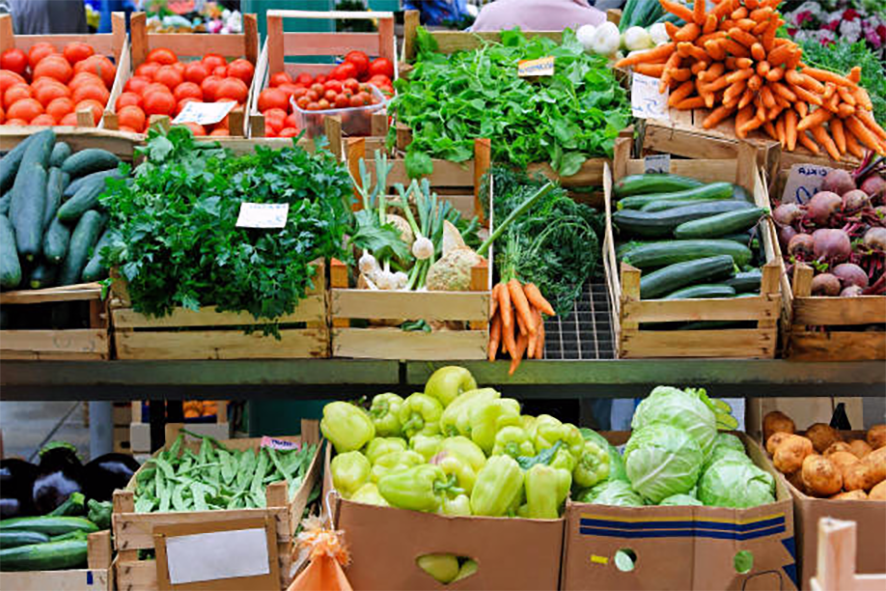 A vegetable market stall.
Welcome to FabulousFusionFood's Vegetable-based Recipes Page — The exact definition of "vegetable" may vary simply because of the many parts of a plant consumed as food worldwide—roots, stems, leaves, flowers, fruits, and seeds. The broadest definition is the word's use adjectivally to mean "matter of plant origin". More specifically, a vegetable may be defined as "any plant, part of which is used for food", a secondary meaning then being "the edible part of such a plant". A more precise definition is "any plant part consumed for food that is not a fruit or seed, but including mature fruits that are eaten as part of a main meal". Falling outside these definitions are edible fungi (such as edible mushrooms) which, although not parts of plants, are often treated as vegetables.
The word vegetable was first recorded in English in the early 15th century. It comes from Old French, and was originally applied to all plants; the word is still used in this sense in biological contexts. It derives from Medieval Latin vegetabilis "growing, flourishing" (i.e. of a plant), a semantic change from a Late Latin meaning "to be enlivening, quickening". The meaning of "vegetable" as a "plant grown for food" was not established until the 18th century. In 1767, the word was specifically used to mean a "plant cultivated for food, an edible herb or root". The year 1955 saw the first use of the shortened, slang term "veggie".
As an adjective, the word vegetable is used in scientific and technical contexts with a different and much broader meaning, namely of "related to plants" in general, edible or not—as in vegetable matter, vegetable kingdom, vegetable origin, etc.
In the definition of "vegetable", which is used in everyday language, the words "fruit" and "vegetable" are mutually exclusive. "Fruit" has a precise botanical meaning, being a part that developed from the ovary of a flowering plant. This is considerably different from the word's culinary meaning. While peaches, plums, and oranges are "fruit" in both senses, many items commonly called "vegetables", such as aubergines, bell peppers, squashes and tomatoes, are botanically fruit.
Vegetables play an important role in human nutrition. Most are low in fat and calories but are bulky and filling. They supply dietary fibre and are important sources of essential vitamins, minerals, and trace elements. Particularly important are the antioxidant vitamins A, C, and E. When vegetables are included in the diet, there is found to be a reduction in the incidence of cancer, stroke, cardiovascular disease, and other chronic ailments. Research has shown that, compared with individuals who eat less than three servings of fruits and vegetables each day, those that eat more than five servings have an approximately twenty percent lower risk of developing coronary heart disease or stroke. The nutritional content of vegetables varies considerably; some contain useful amounts of protein though generally they contain little fat, and varying proportions of vitamins such as vitamin A, vitamin K, and vitamin B6; provitamins; dietary minerals; and carbohydrates.
The consumption of crunchy and hard to chew foods, such as raw vegetables, during youth, while the bones are still growing, is needed for the human's, and other animals', jaws' proper development, and without their consumption, the jaws do not grow to their full size, thus not leaving enough room for the teeth to grow in correctly, causing crooked and impacted teeth.
The recipes presented here are either vegetable-based or have a significant vegetable component.
The alphabetical list of all the Vegetable-based recipes on this site follows, (limited to 100 recipes per page). There are 8002 recipes in total:
Page 61 of 81
| Red Curry Cambogee with Meat Origin: Cambodia | Reform Sauce Origin: Britain | Rice Phala (Sweetened Rice Phala) Origin: Malawi |
| Red Deadnettle Rice Bake Origin: Britain | Refried Carlin Peas Origin: Britain | Rice Pilaf with Avocado Leaf Origin: Fusion |
| Red Grout Dessert Origin: British Virgin Islands | Regency Soup Origin: British | Rice Pudding Muffins (Rice Pudding Muffins) Origin: Britain |
| Red Grout Dessert Origin: US Virgin Islands | Relajo (Salvadorean Red Chilli Sauce) Origin: El Salvador | Rice Pudding Pasty Origin: England |
| Red Lentil Bhuna Kedgeree Origin: Anglo-Indian | Rendang Curry Paste Origin: Fusion | Rice Sticks with Beef in Black Bean Sauce Origin: China |
| Red Lentil Dosa Origin: India | Renga Renga (Burundi Sweet Potato Leaf Stew) Origin: Burundi | Rice with Asparagus Origin: Italy |
| Red Lentil, Chickpea and Chilli Soup Origin: Britain | Restaurant Curry Sauce Origin: Britain | Rice with Oil Origin: Zambia |
| Red Millet Asida (Brown Ugali) Origin: Uganda | Restaurant-style Chakalaka Origin: South Africa | Rice with Okra and Spinach Origin: Liberia |
| Red Oil Greens Origin: Liberia | Restaurant-style Dum Aloo Origin: India | Rice with Pigeon Peas Origin: Puerto Rico |
| Red Oil Sweet Potato Greens Origin: Liberia | Restaurant-style Naan Bread Origin: India | Rich Gravy for Hashes, Ragoûts, etc Origin: Britain |
| Red Onion and Mozzarella Pizza Origin: Britain | Restaurant-style Vegetable Dum Biryani Origin: Britain | Rich Irish Sodabread Origin: Ireland |
| Red Onion Marmalade Origin: Britain | Reuben Sandwich Origin: American | Rich Manx Bunloaf Origin: Manx |
| Red Orach Soup Origin: Britain | Revithia (Chickpea Soup) Origin: Greece | Rich Rum Truffles Origin: Britain |
| Red Pepper and Chickpea Salad Origin: Ecuador | Rhubarb and Angelica Jam Origin: Britain | Rich Strong Stock Origin: British |
| Red Rice Rava Kheer Origin: India | Rhubarb and Apple Crumble with Toasted Nuts Origin: Britain | Rich Sultana Bonnag Origin: Manx |
| Red Saag and Omra Origin: Anglo-Indian | Rhubarb and Common Hogweed Seed Chutney Origin: Britain | Richlieu Sauce Origin: Britain |
| Red Schug Origin: Israel | Rhubarb and Custard Cake Origin: Britain | Ricotta and Parmesan Soufflé Origin: Britain |
| Red Velvet Cake Origin: Britain | Rhubarb and Elderflower Cake Origin: Britain | Rieslingspaschtèit (Riesling Wine and Meat Pie) Origin: Luxembourg |
| Red Wine Lamb Skewers Origin: Britain | Rhubarb and Ginger Cheesecake Origin: Britain | Rillette de maquereau (Mackerel Rillette) Origin: France |
| Red Wine Sauce Origin: Britain | Rhubarb and Ginger Compote Origin: Britain | Ris à l'Amande (Danish Almond Rice Pudding) Origin: Denmark |
| Red Zhug (Yemenite Hot Sauce) Origin: Yemen | Rhubarb and Pork Chop Casserole Origin: Britain | Ris Gras Burkinabé Origin: Burkina Faso |
| Red-red with Spiced Plantains Origin: Ghana | Rhubarb and Spruce Tip Crumble Origin: Britain | Risengrød (Rice Porridge) Origin: Denmark |
| Redbush Ginger Beer Origin: South Africa | Rhubarb and Sweet Cicely Pudding Origin: Britain | Risoto o Ddail Poethion a Pherlysiau Gwyllt (Risotto of Nettles and Wild Herbs) Origin: Welsh |
| Redbush Stewed Beef and Potatoes Origin: South Africa | Rhubarb cakes Origin: Brazil | Risotto al Farro con Funghi (Farro Risotto with Mushrooms and Herbs) Origin: Italy |
| Redbush Tea Origin: Botswana | Rhubarb Relish Origin: Britain | Risotto al Funghi Porcini e Nepitella (Risotto with Porcini Mushrooms and Lesser Calamint) Origin: Italy |
| Redcurrant Jam Origin: Britain | Ribnoye Kharcho (Salmon and Walnut Soup) Origin: Georgia | Risotto al Tonno (Risotto with Tuna) Origin: Italy |
| Redcurrant Jelly Origin: Britain | Ribollita Origin: Italy | Risotto All Accetostella (Risotto with Sorrel) Origin: Italy |
| Redcurrant Juice Origin: Britain | Ricciarelli (Sienese Christmas Biscuits) Origin: Italy | Risotto All Ortica (Risotto with Nettles) Origin: Italy |
| Redcurrant Sauce Origin: Britain | Rice and Bean Enchiladas Origin: Britain | Risotto alla Paesana (Risotto with Beans and Bacon) Origin: Italy |
| Reedmace Flour Origin: American | Rice Cakes Origin: Federated States Micronesia | Risotto alla Pissenlit (Dandelion Risotto) Origin: Switzerland |
| Reedmace Pollen Bread Origin: France | Rice Congee Origin: Anglo-Indian | Risotto alle Erbe e Niputedda (Catmint and Herb Risotto) Origin: Italy |
| Reedmace Starch Bouille Origin: African Fusion | Rice Flour Bread Origin: Canada | Risotto allo Zafferano (Saffron Risotto) Origin: Switzerland |
| Reestit Mutton Soup (Reestit Mutton Soup Soup) Origin: Scotland | Rice Milk Origin: British | |
| Reform Sauce Origin: England | Rice Paper Wrappers Origin: Vietnam |
Page 61 of 81