FabulousFusionFood's Vegetable-based Recipes 57th Page
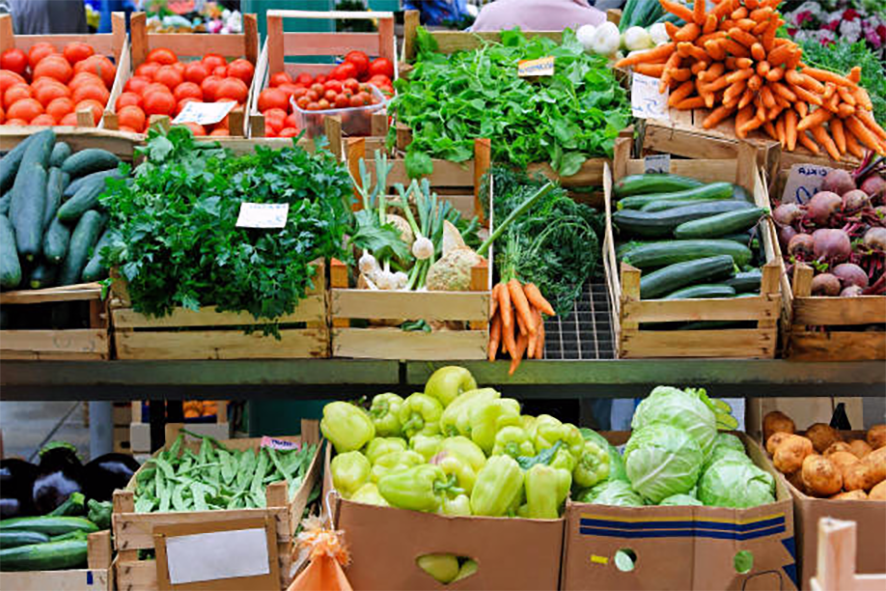
A vegetable market stall. A vegetable market stall.
Welcome to FabulousFusionFood's Vegetable-based Recipes Page — The exact definition of "vegetable" may vary simply because of the many parts of a plant consumed as food worldwide—roots, stems, leaves, flowers, fruits, and seeds. The broadest definition is the word's use adjectivally to mean "matter of plant origin". More specifically, a vegetable may be defined as "any plant, part of which is used for food", a secondary meaning then being "the edible part of such a plant". A more precise definition is "any plant part consumed for food that is not a fruit or seed, but including mature fruits that are eaten as part of a main meal". Falling outside these definitions are edible fungi (such as edible mushrooms) which, although not parts of plants, are often treated as vegetables.


The word vegetable was first recorded in English in the early 15th century. It comes from Old French, and was originally applied to all plants; the word is still used in this sense in biological contexts. It derives from Medieval Latin vegetabilis "growing, flourishing" (i.e. of a plant), a semantic change from a Late Latin meaning "to be enlivening, quickening". The meaning of "vegetable" as a "plant grown for food" was not established until the 18th century. In 1767, the word was specifically used to mean a "plant cultivated for food, an edible herb or root". The year 1955 saw the first use of the shortened, slang term "veggie".

As an adjective, the word vegetable is used in scientific and technical contexts with a different and much broader meaning, namely of "related to plants" in general, edible or not—as in vegetable matter, vegetable kingdom, vegetable origin, etc.

In the definition of "vegetable", which is used in everyday language, the words "fruit" and "vegetable" are mutually exclusive. "Fruit" has a precise botanical meaning, being a part that developed from the ovary of a flowering plant. This is considerably different from the word's culinary meaning. While peaches, plums, and oranges are "fruit" in both senses, many items commonly called "vegetables", such as aubergines, bell peppers, squashes and tomatoes, are botanically fruit.

Vegetables play an important role in human nutrition. Most are low in fat and calories but are bulky and filling. They supply dietary fibre and are important sources of essential vitamins, minerals, and trace elements. Particularly important are the antioxidant vitamins A, C, and E. When vegetables are included in the diet, there is found to be a reduction in the incidence of cancer, stroke, cardiovascular disease, and other chronic ailments. Research has shown that, compared with individuals who eat less than three servings of fruits and vegetables each day, those that eat more than five servings have an approximately twenty percent lower risk of developing coronary heart disease or stroke. The nutritional content of vegetables varies considerably; some contain useful amounts of protein though generally they contain little fat, and varying proportions of vitamins such as vitamin A, vitamin K, and vitamin B6; provitamins; dietary minerals; and carbohydrates.

The consumption of crunchy and hard to chew foods, such as raw vegetables, during youth, while the bones are still growing, is needed for the human's, and other animals', jaws' proper development, and without their consumption, the jaws do not grow to their full size, thus not leaving enough room for the teeth to grow in correctly, causing crooked and impacted teeth.

The recipes presented here are either vegetable-based or have a significant vegetable component.


The alphabetical list of all the Vegetable-based recipes on this site follows, (limited to 100 recipes per page). There are 6810 recipes in total:

Page 57 of 69


Shattoo Water
     Origin: Dominica
Sibirskie Jeskimosy
(Siberian Huskies)
     Origin: Siberia
Sis Kebap
(Turkish Shish Kebab)
     Origin: Turkey
Shav
(Cold Polish Sorrel Soup)
     Origin: Poland
Siboyo den pika
(Onions in Hot Sauce)
     Origin: Bonaire
Siwin wedi'i serio gyda Stwns Bara
Lawr, Samffir, Sbigoglys a Phys

(Seared Sea Trout with Laver Mash,
Samphire, Spinach and Peas)
     Origin: Welsh
Shawarma Spice and Paste
     Origin: Levant
Sichuan Beef Stir-fry
     Origin: China
Skate Curry
     Origin: Britain
Shawarma-style pulled lamb with
tahini-yogurt dressing

     Origin: Fusion
Sichuan Hot Pot Soup Base
     Origin: China
Skirlie
     Origin: Scotland
Shchi
(Russian Cabbage Soup)
     Origin: Russia
Sichuan-style Chicken with Chilli Bean
Sauce

     Origin: China
Sklandrausis
(Vegetable Tarts)
     Origin: Latvia
Sheer Khurma
     Origin: Indonesia
Sidvudvu
(Pumpkin Porridge)
     Origin: eSwatini
Skoudehkaris
(Djibouti Rice)
     Origin: Djibouti
Sheikh Mahshi
     Origin: India
Sienimunaskas-kääryle
(Wild Mushroom Omelette Roll)
     Origin: Finland
Sladký Lokše
(Sweet Slovak Potato Pancakes)
     Origin: Slovakia
Shellfish Seaweed Pudding
     Origin: Ancient
Sierra Leonean Chicken and Sweet
Potato Stew

     Origin: Sierra Leone
Slangetjies
(Pea Flour Noodles)
     Origin: South Africa
Shepherd's Pie
     Origin: Britain
Sierra Leonean Ginger Beer
     Origin: Sierra Leone
Slappap
(Soft Maize Porridge)
     Origin: South Africa
Sherried Chicken Liver Brochettes
     Origin: Britain
Sierra Leonean Ginger Cake
     Origin: Sierra Leone
Slete Soppes
     Origin: British
Shigni
(Somali Hot Sauce)
     Origin: Somalia
Sierra Leonean Pork Fried Rice
     Origin: Sierra Leone
Slime Smoothie
     Origin: American
Shiitake Dashi
     Origin: Japan
Sierra Leonean Rice Bread
     Origin: Sierra Leone
Sloppy Joe Pizza
     Origin: American
Shikanji
(Indian Lemonade)
     Origin: India
Sierra Leonean Style Couscous
     Origin: Sierra Leone
Slow Cooker Aloo Gobi
     Origin: Britain
Shish Kebabs
     Origin: Britain
Sierra Leonian Egusi Soup
     Origin: Sierra Leone
Slow Cooker Duck and Potato Massaman
Curry

     Origin: Britain
Shishwala
(Maize Porridge)
     Origin: eSwatini
Sigá
(Prawn and Okra Stew)
     Origin: Guinea-Bissau
Slow Cooker Mushy Peas
     Origin: England
Shoko
(Nigerian Beef and Spinach)
     Origin: Nigeria
Siga Wot
(Ethiopian Beef Stew)
     Origin: Ethiopia
Slow Cooker Vegetable Curry
     Origin: Britain
Shopska Salad II
     Origin: Bulgaria
Siljo
(Fermented Safflower Seed and Broad
Bean Flour Paste)
     Origin: India
Slow-cooked Lamb Madras
     Origin: Britain
Shorba
     Origin: Sudan-a
Sill Potatis
(Pickled Herring with Boiled Potatoes
and Sour Cream)
     Origin: Sweden
Slow-cooked Octopus with Blanched Sea
Blite or Marsh Samphire Salad

     Origin: Britain
Shorbat Adas
(Jordanian Red Lentil Soup)
     Origin: Jordan
Silpancho
     Origin: Bolivia
Slow-roasted Lamb Shanks with Tomatoes
and Olives

     Origin: Australia
Shorbat Adas
(Lebanese Red Lentil Soup)
     Origin: Lebanon
Silsi
(Eritrean Tomato Sauce)
     Origin: Eritrea
Slow-simmered Beefsteak Fungus
     Origin: Britain
Shorbet Ads
(Sudanese Lentil Soup)
     Origin: Sudan
Simboro
(Meat with Taro Leaves and Coconut Milk)
     Origin: Vanuatu
Smočani kačamak
(Fatty porridge)
     Origin: Montenegro
Shortcrust Pastry Dough
     Origin: British
Simit
(Turkish sesame bread rings)
     Origin: Turkey
Smoked Catfish with Seashore Greens
     Origin: Fusion
Shourabit Silq bi Laban
(Chard and Yoghurt Soup)
     Origin: Lebanon
Simple Court Bouillon
     Origin: France
Smoked Chicken, Leek and Mushroom Pie
     Origin: Australia
Shredded Pork and Noodle Soup
     Origin: China
Simple Dashi
     Origin: Japan
Smoked Chillies
     Origin: Mexico
Shredded, Dried and Salted Kelp Stems
     Origin: Korea
Simple Mole Poblano
     Origin: Mexico
Smoked Fish Fisherman's Pie
     Origin: England
Shrimp and Corn Chowder
     Origin: American
Simple Nettle Purée
     Origin: Britain
Smoked Fish Light Soup
     Origin: Ghana
Shtitha Batata
(Potato Stew)
     Origin: Algeria
Simple Okra Curry
     Origin: Australia
Smoked Fish Stew
     Origin: Ancient
Shuba
(Herring and Beet Salad)
     Origin: Moldova
Sing Mapan Singju
(Ginger Flower and Water Dropwort
Singju)
     Origin: India
Smoked Haddock and Champ Cakes
     Origin: Northern Ireland
Shuizhu niurou
(Spicy Water-boiled Beef)
     Origin: China
Single-layer Calabrian Pizza
     Origin: Italy
Smoked Salmon and Avocado Nori Rolls
     Origin: Japan
Shukto
     Origin: Bangladesh
Sint Eustatian Goat Water
     Origin: Sint Eustatius
Smoked Salmon and Horseradish Potato
Farls

     Origin: Scotland
Shurpa
     Origin: Uzbekistan
Sint Eustatius Rice and Black Beans
     Origin: Sint Eustatius
Smoked Sausage and Bean Casserole
     Origin: British
Shwe Payon Thee Hin
(Thai Vegan Pumpkin Curry)
     Origin: Thailand
Sint Maarten Whelk Soup
     Origin: Sint Maarten
Smoky Aubergine Curry with Cauliflower
Parathas

     Origin: India
Siberian Bird Cherry Cake
     Origin: Russia
Sippets à la Reine
     Origin: Britain
Siberian Borscht
     Origin: Siberia
Sirop de Menthe au Lait
(Mint Syrup with Milk)
     Origin: Gabon

Page 57 of 69