FabulousFusionFood's Vegetable-based Recipes 51th Page
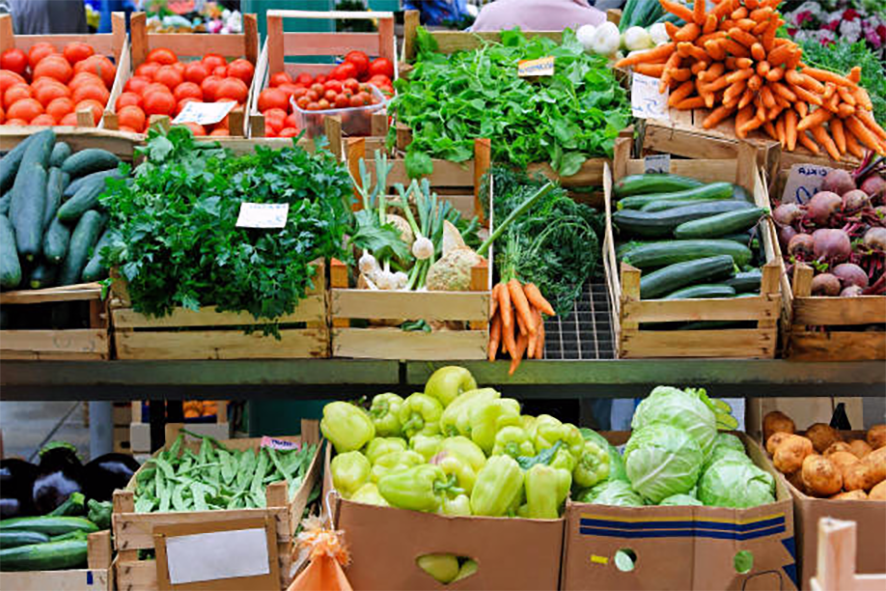 A vegetable market stall.
Welcome to FabulousFusionFood's Vegetable-based Recipes Page — The exact definition of "vegetable" may vary simply because of the many parts of a plant consumed as food worldwide—roots, stems, leaves, flowers, fruits, and seeds. The broadest definition is the word's use adjectivally to mean "matter of plant origin". More specifically, a vegetable may be defined as "any plant, part of which is used for food", a secondary meaning then being "the edible part of such a plant". A more precise definition is "any plant part consumed for food that is not a fruit or seed, but including mature fruits that are eaten as part of a main meal". Falling outside these definitions are edible fungi (such as edible mushrooms) which, although not parts of plants, are often treated as vegetables.
The word vegetable was first recorded in English in the early 15th century. It comes from Old French, and was originally applied to all plants; the word is still used in this sense in biological contexts. It derives from Medieval Latin vegetabilis "growing, flourishing" (i.e. of a plant), a semantic change from a Late Latin meaning "to be enlivening, quickening". The meaning of "vegetable" as a "plant grown for food" was not established until the 18th century. In 1767, the word was specifically used to mean a "plant cultivated for food, an edible herb or root". The year 1955 saw the first use of the shortened, slang term "veggie".
As an adjective, the word vegetable is used in scientific and technical contexts with a different and much broader meaning, namely of "related to plants" in general, edible or not—as in vegetable matter, vegetable kingdom, vegetable origin, etc.
In the definition of "vegetable", which is used in everyday language, the words "fruit" and "vegetable" are mutually exclusive. "Fruit" has a precise botanical meaning, being a part that developed from the ovary of a flowering plant. This is considerably different from the word's culinary meaning. While peaches, plums, and oranges are "fruit" in both senses, many items commonly called "vegetables", such as aubergines, bell peppers, squashes and tomatoes, are botanically fruit.
Vegetables play an important role in human nutrition. Most are low in fat and calories but are bulky and filling. They supply dietary fibre and are important sources of essential vitamins, minerals, and trace elements. Particularly important are the antioxidant vitamins A, C, and E. When vegetables are included in the diet, there is found to be a reduction in the incidence of cancer, stroke, cardiovascular disease, and other chronic ailments. Research has shown that, compared with individuals who eat less than three servings of fruits and vegetables each day, those that eat more than five servings have an approximately twenty percent lower risk of developing coronary heart disease or stroke. The nutritional content of vegetables varies considerably; some contain useful amounts of protein though generally they contain little fat, and varying proportions of vitamins such as vitamin A, vitamin K, and vitamin B6; provitamins; dietary minerals; and carbohydrates.
The consumption of crunchy and hard to chew foods, such as raw vegetables, during youth, while the bones are still growing, is needed for the human's, and other animals', jaws' proper development, and without their consumption, the jaws do not grow to their full size, thus not leaving enough room for the teeth to grow in correctly, causing crooked and impacted teeth.
The recipes presented here are either vegetable-based or have a significant vegetable component.
The alphabetical list of all the Vegetable-based recipes on this site follows, (limited to 100 recipes per page). There are 8002 recipes in total:
Page 51 of 81
| Oranges Douces de Congo (Sweet Congolese Oranges) Origin: Congo | Oxeye Daisy Tabbolueh Origin: Fusion | Pakora Thongba (Spicy Pakora Curry) Origin: India |
| Oranges in Syrup Origin: Britain | Oxford Marmalade Origin: Britain | Palačinke (Croatian Pancakes) Origin: Croatia |
| Orecchiette with Mushroom Sauce Origin: Italy | Oxtail Pot Pies Origin: South Africa | Palak Dal (Spinach with Moong Dal) Origin: India |
| Oregon Grape Juice Origin: America | Oyster Stew Origin: Britain | Palak Moru Curry (Spinach-yoghurt Curry) Origin: India |
| Oregon Grape Sherbet Origin: America | Oyster Stuffing for Turkey Origin: Britain | Palak Paneer (Creamed Spinach with Fresh Curd Cheese) Origin: India |
| Oriental Chicken with Broccoli Origin: Fusion | Oysters in Stout Batter with Carrageen Origin: Ireland | Palak Paneer (Paneer with Spinach) Origin: India |
| Oriental-style Chicken and Angelica Root Soup Origin: Fusion | Oysters on the Half Shell with Mignonette Sauce Origin: France | Palak Paneer IV (Paneer in a Mildly Spiced Spinach Sauce) Origin: India |
| Orkney Clapshot Origin: Scotland | Oysters Rockerfeller Origin: American | Palakottai Curry (Jackfruit Seed Curry) Origin: India |
| Osh (Uzbek Palov) Origin: Uzbekistan | Oysters with Bloody Mary Sauce Origin: American | Palandy Origin: Sri Lanka |
| Oshi Palov (Beef and Vegetable Pilau) Origin: Tajikistan | Pâo de Batata de Assadeira (Baked Potato Bread) Origin: Brazil | Palatschinken (Austrian Pancakes) Origin: Austria |
| Oshifima II (Namibian Stiff Porridge) Origin: Namibia | Pâté Rouge (Red Pâté) Origin: Benin | Palauan Fish Soup Origin: Palau |
| Oshigali (Namibian Fermented Millet Porridge) Origin: Namibia | Pâtes 'Teuf-Teuf' (Pasta 'Teuf-Teuf') Origin: Mali | Palaver 'Sauce' Origin: West Africa |
| Ossetian Chicken with Sour Cream Origin: South Ossetia | Pâtissons Farcis (Stuffed Squash) Origin: Mauritius | Palaver Chicken Origin: Ghana |
| Osso Bucco alla Milanese Origin: Italy | Pão de Aveia (Oat Bread) Origin: Brazil | Palermo Pizza Sauce Origin: Italy |
| Ostfriesisch (East Frisian New Year Cones) Origin: Germany | Pão de Ervas (Herbed Sourdough Bread) Origin: Brazil | Palestinian Chickpea Falafel Origin: Palestine |
| Oto (Mashed Yams with Eggs) Origin: Ghana | Pèpè Soup du Cameroun (Cameroonian Pepper Soup) Origin: Cameroon | Palestinian Hummus Origin: Palestine |
| Otong Soup Origin: Nigeria | Pašticada II (Veal Stew with Tomatoes) Origin: Montenegro | Palets Breton (Breton Pucks) Origin: France |
| Ottogi Karē (Ottogi Curry) Origin: Korea | Pacific-style Coconut Rice Origin: Kiribati | Palets bretons au caramel salé (Breton Pucks with Salted Caramel) Origin: France |
| Ouaddaï (Fried Millet Dough) Origin: Chad | Pacific-style Coconut Rice Origin: Hawaii | Palusami (Corned Beef, Taro Greens and Coconut Milk) Origin: Solomon Islands |
| Oude Sauce Origin: Britain | Packet and Tripe Origin: Ireland | Palusami Origin: Fiji |
| Ovas Moles de Papaia (Papaya and Egg Yolk Pudding) Origin: Mozambique | Paczki (Polish Shrove Doughnuts) Origin: Poland | Palusami (Coconut Cream and Tinned Meat in Taro Leaves) Origin: Nauru |
| Oven Roasted Dandelion Root Slivers Origin: Britain | Pad Kee Mao Origin: Thailand | Palusami Origin: Samoa |
| Oven Scones Origin: Scotland | Pad See Ew (Stir-fried Pork with Noodles and Broccoli) Origin: Thailand | Palusami (Coconut Cream and Onion in Taro Leaves) Origin: Samoa |
| Oven-baked Jollof Rice Origin: Nigeria | Pad Thai Origin: Thailand | Palusami (Corned Beef, Taro Greens and Coconut Milk) Origin: Tuvalu |
| Oven-baked Taco Shells Origin: Mexico | Padavalanga Parippu Curry (Snake Gourd Curry) Origin: India | Palusami (Coconut Cream and Onion in Taro Leaves) Origin: Tuvalu |
| Oven-roasted Grey Snapper with Caribbean Sauce Origin: Turks Caicos | Padipe Saasmi (Utupi-style Red Amaranth Leaf Curry) Origin: India | Palusami (Corned Beef, Taro Greens and Coconut Milk) Origin: Kiribati |
| Oven-smoked Fish Origin: Gambia | Pado'lalo' (Spicy coconut Aubergine) Origin: Guam | Palusami Origin: American Samoa |
| Overnight Oats Origin: Britain | Pado'lalo' (Spicy coconut Aubergine) Origin: Northern Mariana Islands | Palusami (Coconut Cream and Onion in Taro Leaves) Origin: Wallis Futuna |
| Ox-cheek Soup Origin: British | Paella de Carne de Caza (Bushmeat Paella) Origin: Equatorial Guinea | Palusami (Corned Beef, Taro Greens and Coconut Milk) Origin: Marshall Islands |
| Ox-heart Black Curry Origin: Sri Lanka | Paella Valencia de la Huerta (Traditional Chicken Paella) Origin: Spain | Palusami II Origin: Kiribati |
| Ox-tail Soup Origin: British | Paifala (Pineapple and Coconut Pasties) Origin: American Samoa | Pamplona de Puerco (Barbecued Stuffed, Rolled Pork) Origin: Uruguay |
| Oxeye Daisy Chopsuey Origin: Fusion | Pain chapeau breton (Breton hat bread) Origin: France | Pampoenkokies (Christmas Fruit Fritters) Origin: South Africa |
| Oxeye Daisy Pesto Origin: Britain | Pain de Gruau (Fine Wheaten Bread) Origin: Monaco | |
| Oxeye Daisy Spread Origin: Britain | Pain de thon aux algues (Tuna and Seaweed Loaf) Origin: France |
Page 51 of 81