FabulousFusionFood's Vegetable-based Recipes 48th Page
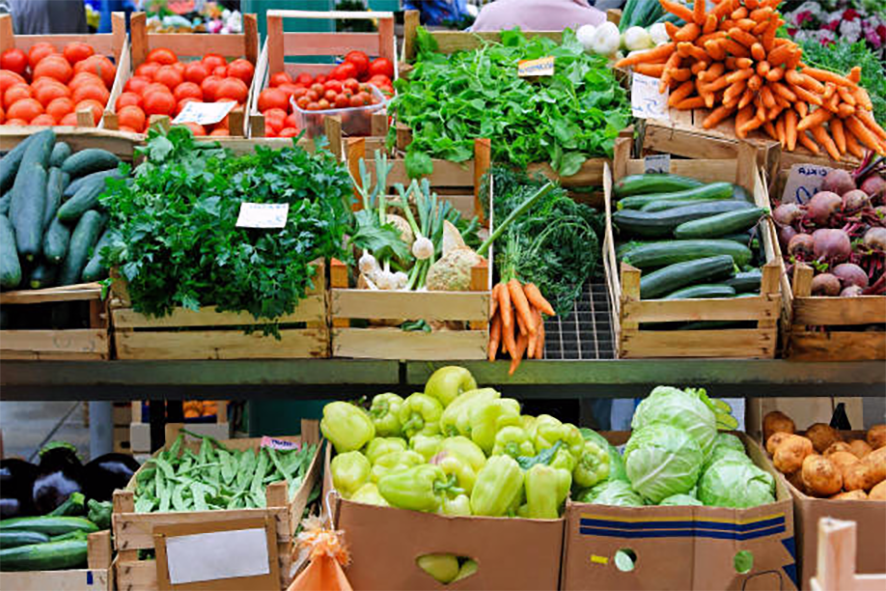 A vegetable market stall.
Welcome to FabulousFusionFood's Vegetable-based Recipes Page — The exact definition of "vegetable" may vary simply because of the many parts of a plant consumed as food worldwide—roots, stems, leaves, flowers, fruits, and seeds. The broadest definition is the word's use adjectivally to mean "matter of plant origin". More specifically, a vegetable may be defined as "any plant, part of which is used for food", a secondary meaning then being "the edible part of such a plant". A more precise definition is "any plant part consumed for food that is not a fruit or seed, but including mature fruits that are eaten as part of a main meal". Falling outside these definitions are edible fungi (such as edible mushrooms) which, although not parts of plants, are often treated as vegetables.
The word vegetable was first recorded in English in the early 15th century. It comes from Old French, and was originally applied to all plants; the word is still used in this sense in biological contexts. It derives from Medieval Latin vegetabilis "growing, flourishing" (i.e. of a plant), a semantic change from a Late Latin meaning "to be enlivening, quickening". The meaning of "vegetable" as a "plant grown for food" was not established until the 18th century. In 1767, the word was specifically used to mean a "plant cultivated for food, an edible herb or root". The year 1955 saw the first use of the shortened, slang term "veggie".
As an adjective, the word vegetable is used in scientific and technical contexts with a different and much broader meaning, namely of "related to plants" in general, edible or not—as in vegetable matter, vegetable kingdom, vegetable origin, etc.
In the definition of "vegetable", which is used in everyday language, the words "fruit" and "vegetable" are mutually exclusive. "Fruit" has a precise botanical meaning, being a part that developed from the ovary of a flowering plant. This is considerably different from the word's culinary meaning. While peaches, plums, and oranges are "fruit" in both senses, many items commonly called "vegetables", such as aubergines, bell peppers, squashes and tomatoes, are botanically fruit.
Vegetables play an important role in human nutrition. Most are low in fat and calories but are bulky and filling. They supply dietary fibre and are important sources of essential vitamins, minerals, and trace elements. Particularly important are the antioxidant vitamins A, C, and E. When vegetables are included in the diet, there is found to be a reduction in the incidence of cancer, stroke, cardiovascular disease, and other chronic ailments. Research has shown that, compared with individuals who eat less than three servings of fruits and vegetables each day, those that eat more than five servings have an approximately twenty percent lower risk of developing coronary heart disease or stroke. The nutritional content of vegetables varies considerably; some contain useful amounts of protein though generally they contain little fat, and varying proportions of vitamins such as vitamin A, vitamin K, and vitamin B6; provitamins; dietary minerals; and carbohydrates.
The consumption of crunchy and hard to chew foods, such as raw vegetables, during youth, while the bones are still growing, is needed for the human's, and other animals', jaws' proper development, and without their consumption, the jaws do not grow to their full size, thus not leaving enough room for the teeth to grow in correctly, causing crooked and impacted teeth.
The recipes presented here are either vegetable-based or have a significant vegetable component.
The alphabetical list of all the Vegetable-based recipes on this site follows, (limited to 100 recipes per page). There are 8002 recipes in total:
Page 48 of 81
| Mushroom Cutlets with Walnut Sauce Origin: British | Mutton Kulambu (Pondicherry Mutton Curry) Origin: India | Nanakusa-gayu (Seven Herb Congee) Origin: Japan |
| Mushroom Fricassee Origin: American | Mutton Rissole Origin: Britain | Nandji Origin: Mali |
| Mushroom Frittata Origin: Britain | Mutton Saag Origin: India | Nandji de Boeuf (Nandji of Beef) Origin: Cote dIvoire |
| Mushroom Goulash Origin: Britain | Mwtrin Rhiwbob (Rhubarb Compôte) Origin: Welsh | Nandji Ivorienne Origin: Cote dIvoire |
| Mushroom Gravy Origin: Britain | Myffins Blawd Ceirch a Mefus Gwyllt (Wild Strawberry Oatmeal Muffins) Origin: Welsh | Nanohana no Karashi Miso-ae (Rape Blossoms in a Spicy Miso Sauce) Origin: Japan |
| Mushroom Madras Origin: Britain | Mysore Bonda Origin: Italy | Nanohana no Shiro-ae (Tofu-dressed Rapeseed Shoots) Origin: Japan |
| Mushroom Masala Origin: India | Mzoura (Tunisian Spiced Parsnips) Origin: Tunisia | Nasi Goreng (Fried Rice) Origin: Indonesia |
| Mushroom Millefeuille Origin: Britain | N'dolé (Bitterleaf Stew) Origin: Cameroon | Nasi Goreng (Fried Rice) Origin: Cocos Islands |
| Mushroom Pâté en Croûte Origin: Britain | N'dolé avec Poisson (Fish and Bitterleaf Stew) Origin: Gabon | Nasi Goreng (Fried Rice) Origin: New Caledonia |
| Mushroom Pie Origin: France | N'dolé avec Poulet (Chicken N'Dolé) Origin: Cameroon | Nasi Goreng Istimewa (Fried Rice Breakfast) Origin: Indonesia |
| Mushroom Pilau Origin: Britain | N'toutou Origin: Togo | Nasi Goreng Jawa (Javanese Fried Rice) Origin: Indonesia |
| Mushroom Pudding Origin: Britain | Nèkango Karako (Home-made Peanut Paste) Origin: Central African Republic | Nasi Impit (Compressed Rice Cakes) Origin: Indonesia |
| Mushroom Stock Origin: Britain | Nõgesesupp (Nettle Soup with Egg Garnish) Origin: Estonia | Nasi Impit (Compressed Rice Cakes) Origin: Singapore |
| Mushroom Stock II Origin: Britain | Nachinka iz Fasoli (Red Bean Paste) Origin: Georgia | Nasi Tumpeng Origin: Indonesia |
| Mushroom Stroganoff Origin: Britain | Nachynka Z Kapusty (Cabbage Filling For Vareniki) Origin: Ukraine | Nastavovaná kaše s osmaženou cibulkou (Sour Potatoes) Origin: Czech |
| Mushroom Tacos Origin: Britain | Nactamales Origin: Nicaragua | Nasturtium Flower Tabbolueh Origin: Fusion |
| Mushroom-stuffed Draniki Origin: Belarus | Nadru Yakhni Curry (Lotus Stem and Yoghurt Curry) Origin: India | Nasturtium Leaf Pesto Origin: Britain |
| Mushrooms à la Greque Origin: France | Naeamia bel Dakwa Origin: Sudan | Nasturtium Soup Origin: American |
| Mushrooms Risotto Origin: Italy | Naengi-guk (Shepherd's Purse Soup) Origin: Korea | Nasturtium Vinaigrette Origin: American |
| Mushy Peas Origin: Britain | Naengmyŏn Origin: North Korea | Nasturtium Vinegar Origin: American |
| Musk-Vanilla Ice Cream Origin: Britain | Naga Curry Origin: Fusion | Native Jerk Seasoning Origin: Jamaica |
| Mussel Pie Origin: Bermuda | Nairobi-style Egg Curry Origin: Kenya | Natural Red Tomato Chutney Origin: Britain |
| Mustard Beef with Potato Gratin Origin: Australia | Nali Sauce (Piri-piri Sauce) Origin: Malawi | Navettes Bretonnes aux fruits rouges (Breton Navettes with Red Fruit) Origin: France |
| Mustard Champ Origin: Northern Ireland | Nalot (Root Vegetable Mash) Origin: Vanuatu | Ndengu (Lentil Stew) Origin: Kenya |
| Mustard Lamb Origin: Scotland | Nam Pla Prik (Thai Spicy Fish Sauce) Origin: Thailand | Ndolé à la Viande (Bitterleaf with Meat) Origin: Cameroon |
| Mustard Pork Loin Chops with Butternut Squash Roast Origin: Britain | Nam Prig Pow (Roasted Chilli Paste) Origin: Thailand | Ndomba de Poisson (Fish Cooked in Banana Leaves) Origin: Cameroon |
| Mustard Sauce Origin: Britain | Nam Prik Pao (Thai Chilli Paste) Origin: Thailand | Ndomba de Porc (Pork Cooked in Banana Leaves) Origin: Cameroon |
| Mutabal Origin: Jordan | Nam Van Sal Lee (Corn Sago Dessert Soup) Origin: Laos | Nduma (Boiled Taro) Origin: Kenya |
| Muttabal Origin: Turkey | Namak Paray Origin: Pakistan | Nectar de Tamarin (Tamarind Nectar) Origin: Guinea |
| Muttai Kulambu (Tamil Nadu Egg Curry) Origin: India | Namasu (Daikon and Carrot in Vinegar Dressing) Origin: Japan | Nectarine Snacking Cake Origin: Britain |
| Mutton and Potato Pies Origin: Britain | Namibian Beef Stew With Potatoes And Carrots Origin: Namibia | Nems au poulet (Chicken Spring Rolls) Origin: Tahiti |
| Mutton and Turnip Pie Origin: England | Namibian Potbrood (Namibian Pot Bread) Origin: Namibia | Nepalese Lentil Soup Origin: Nepal |
| Mutton Broth Origin: Britain | Nan Mburu Origin: Gambia | |
| Mutton Cutlets with Mashed Potatoes Origin: Britain | Nanaimo Bars Origin: Canada |
Page 48 of 81