FabulousFusionFood's Vegetable-based Recipes 49th Page
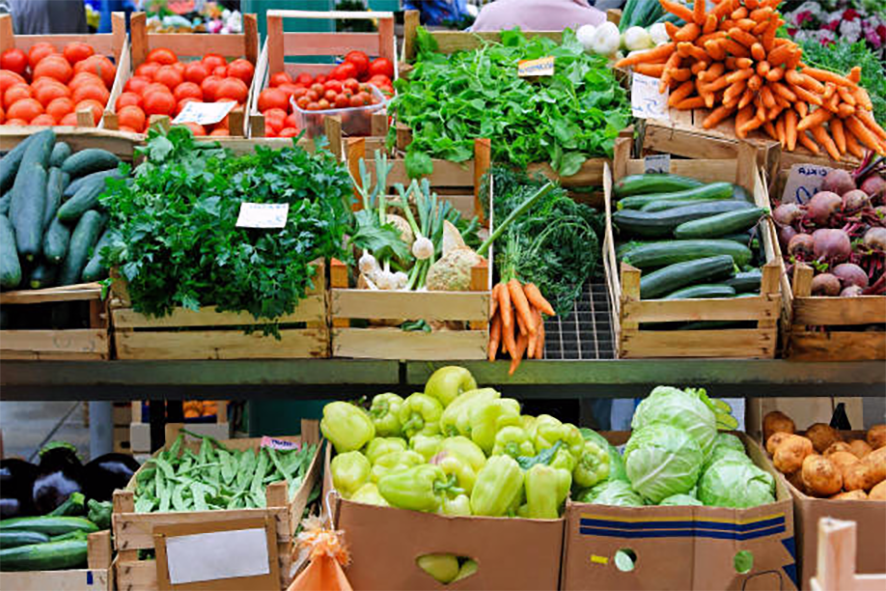 A vegetable market stall.
Welcome to FabulousFusionFood's Vegetable-based Recipes Page — The exact definition of "vegetable" may vary simply because of the many parts of a plant consumed as food worldwide—roots, stems, leaves, flowers, fruits, and seeds. The broadest definition is the word's use adjectivally to mean "matter of plant origin". More specifically, a vegetable may be defined as "any plant, part of which is used for food", a secondary meaning then being "the edible part of such a plant". A more precise definition is "any plant part consumed for food that is not a fruit or seed, but including mature fruits that are eaten as part of a main meal". Falling outside these definitions are edible fungi (such as edible mushrooms) which, although not parts of plants, are often treated as vegetables.
The word vegetable was first recorded in English in the early 15th century. It comes from Old French, and was originally applied to all plants; the word is still used in this sense in biological contexts. It derives from Medieval Latin vegetabilis "growing, flourishing" (i.e. of a plant), a semantic change from a Late Latin meaning "to be enlivening, quickening". The meaning of "vegetable" as a "plant grown for food" was not established until the 18th century. In 1767, the word was specifically used to mean a "plant cultivated for food, an edible herb or root". The year 1955 saw the first use of the shortened, slang term "veggie".
As an adjective, the word vegetable is used in scientific and technical contexts with a different and much broader meaning, namely of "related to plants" in general, edible or not—as in vegetable matter, vegetable kingdom, vegetable origin, etc.
In the definition of "vegetable", which is used in everyday language, the words "fruit" and "vegetable" are mutually exclusive. "Fruit" has a precise botanical meaning, being a part that developed from the ovary of a flowering plant. This is considerably different from the word's culinary meaning. While peaches, plums, and oranges are "fruit" in both senses, many items commonly called "vegetables", such as aubergines, bell peppers, squashes and tomatoes, are botanically fruit.
Vegetables play an important role in human nutrition. Most are low in fat and calories but are bulky and filling. They supply dietary fibre and are important sources of essential vitamins, minerals, and trace elements. Particularly important are the antioxidant vitamins A, C, and E. When vegetables are included in the diet, there is found to be a reduction in the incidence of cancer, stroke, cardiovascular disease, and other chronic ailments. Research has shown that, compared with individuals who eat less than three servings of fruits and vegetables each day, those that eat more than five servings have an approximately twenty percent lower risk of developing coronary heart disease or stroke. The nutritional content of vegetables varies considerably; some contain useful amounts of protein though generally they contain little fat, and varying proportions of vitamins such as vitamin A, vitamin K, and vitamin B6; provitamins; dietary minerals; and carbohydrates.
The consumption of crunchy and hard to chew foods, such as raw vegetables, during youth, while the bones are still growing, is needed for the human's, and other animals', jaws' proper development, and without their consumption, the jaws do not grow to their full size, thus not leaving enough room for the teeth to grow in correctly, causing crooked and impacted teeth.
The recipes presented here are either vegetable-based or have a significant vegetable component.
The alphabetical list of all the Vegetable-based recipes on this site follows, (limited to 100 recipes per page). There are 8002 recipes in total:
Page 49 of 81
| Nepalese Mustard Greens Bhutuwa Origin: Nepal | New York Minestrone Origin: American | Niramish Kochur Loti (Colocasia Stem Curry) Origin: Bangladesh |
| Nepalese Mustard Greens Bhutuwa Origin: Nepal | New York Style Hotdogs Origin: American | Niter Kebbeh (Spiced Ghee) Origin: Ethiopia |
| Nepali Momo Wrappers Origin: Nepal | New Zealand Classic Roast Lamb with Mint Sauce Origin: New Zealand | Njahi in Coconut Sauce (Kenyan Black Beans in Coconut Sauce) Origin: Kenya |
| Nettle Aloo Origin: Fusion | New Zealand Coconut Lamb Curry with Cashews Origin: New Zealand | Njanga Rice Origin: Cameroon |
| Nettle and Sausage Soup Origin: Britain | New Zealand Kiwi Fruit Bread Origin: New Zealand | Nkatenkwan (Ghanaian Peanut Soup) Origin: Ghana |
| Nettle and Sorrel Omelette Origin: Ireland | New Zealand Meat Pie Origin: New Zealand | Nkrakra II (Ghanaian Light Soup) Origin: Ghana |
| Nettle and Spinach Cake Origin: Britain | Nga Atoiba Thongba (Manipuri Broken Fish Curry) Origin: India | No-bake Lemon Soufflé Origin: Britain |
| Nettle and Spinach Pancakes Origin: America | Nga Myin Hin (Butter Fish Curry) Origin: Myanmar | No-bake Peanut Butter Flapjack Origin: Britain |
| Nettle and Wild Garlic Soup Origin: Britain | Nga Tha Lout Paung (Sour Fish Curry) Origin: Myanmar | No-cook Chocolate Silk Tarts Origin: American |
| Nettle Gnocchi with Dandelion Greens Origin: Britain | Ngaiwa Phala (Sweetened Maize Porridge) Origin: Malawi | Noix de Coco Caramélisée (Caramelized Coconut) Origin: Cameroon |
| Nettle Gnudi Origin: Britain | Ngukassa (Plantain Soup) Origin: Central African Republic | Noodle Curry Paste Origin: Laos |
| Nettle Greens and Peanut Stew Origin: African Fusion | Ngunza et Boule de Manioc (Ngunza and Cassava Balls) Origin: Central African Republic | Nopal and Banana Smoothie Origin: America |
| Nettle Leaf Greens Origin: Britain | Nhangana com Coco (Cowpea Leaves with Coconuts) Origin: Mozambique | Ñoquis de Papa (Potato Gnocchi) Origin: Uruguay |
| Nettle Pâté Origin: British | Nhopi (Maize Meal with Pumpkin) Origin: Zimbabwe | Nori-wrapped Mochiko Chicken Origin: Hawaii |
| Nettle Purée Origin: Britain | Nhopi (Corn Meal with Pumpkin) Origin: Zimbabwe | Nori-wrapped Mochiko Pork Origin: Hawaii |
| Nettle Purée and Oatmeal Cakes (Nettle Purée Oatcakes) Origin: British | Nhopi Dovi (Pumpkin with Groundnut Sauce) Origin: Zimbabwe | North Cornish Pea Soup Origin: England |
| Nettle Purée Fritters Origin: Britain | Niban Dashi (Stock For Vegetables and Dipping Sauces) Origin: Japan | Northern Irish Beef Stew Origin: Northern Ireland |
| Nettle Syrup Origin: Britain | Nigeria's Mother Sauce Origin: Nigeria | Nougat d'Arachide (Peanut Nougat) Origin: Togo |
| Nettle Tagliatelle Origin: Britain | Nigerian Beans Porridge Origin: Nigeria | Nougat de Montélimar Origin: France |
| Nettle, Sorrel and Lentil Pâté Origin: Britain | Nigerian Catfish Stew Origin: Nigeria | Nougat Traditionelle (Traditional Nougat) Origin: France |
| Nettle, Squash and Almond Curry Origin: Britain | Nigerian Chicken Jollof Rice Origin: Nigeria | Noumbles (A Stew of Intestines) Origin: England |
| Nettles Origin: Britain | Nigerian Fried Rice II Origin: Nigeria | Num Banh Choc (Rice Noodle Fish Soup) Origin: Cambodia |
| Neujahrspretzel (German New Year's Pretzels) Origin: Germany | Nigerian FuFu Origin: Nigeria | Num Pa-chok Tirk Ka-chuii (Khmer Noodle Soup with Fingerroot) Origin: Cambodia |
| Nevis Hot Pepper Sauce Recipe Origin: Saint Kitts | Nigerian Goat Meat Pie Origin: Nigeria | Nước Cốt Dừa (Coconut Milk Sauce) Origin: Vietnam |
| New Caledonia Civet de Cerf (Venison Stew) Origin: New Caledonia | Nigerian Meat Pasties Origin: Nigeria | Nut Cutlet Origin: British |
| New Caledonian Raw Fish Salad Origin: New Caledonia | Nigerian Meat Pie Origin: Nigeria | Nut-topped Sticky Toffee Pudding Origin: Britain |
| New noumbles of dere (Fresh Deer Offal) Origin: England | Nigerian Meat Pie Origin: Nigeria | Nutty Moroccan Couscous Origin: Morocco |
| New Orleans Style Pumpkin Pie Origin: South Africa | Nigerian Pancakes with Suya-spiced Tofu Scramble Origin: Nigeria | Nutty Rice Burgers Origin: Britain |
| New Potato and Fennel Kebabs Origin: Ireland | Nigerian Pepper Soup Spices Origin: Nigeria | Nwa Mee Hinga (Oxtail and Watercress) Origin: Myanmar |
| New Potato Curry Origin: Britain | Nigerian Rice Flour FuFu Origin: Nigeria | Nyaba Origin: Sudan |
| New Potato Parcels Origin: Ireland | Nigerian-style Spaghetti Origin: Nigeria | Nyama na Irio (Meat with Corn) Origin: Kenya |
| New Potatoes in a Honey-mustard Dressing Origin: Jersey | Nimino de Peixe (Nimino of Fish) Origin: Mozambique | Nyama ya Figo (Beef and Kidneys) Origin: Tanzania |
| New Year's Eve Latkes Origin: Germany | Nimki (Crispy Flour Crackers) Origin: Bengal | |
| New Year's Hopping John Origin: American | Nipplewort Crème Fraîche Origin: Britain |
Page 49 of 81