FabulousFusionFood's Vegetable-based Recipes 43th Page
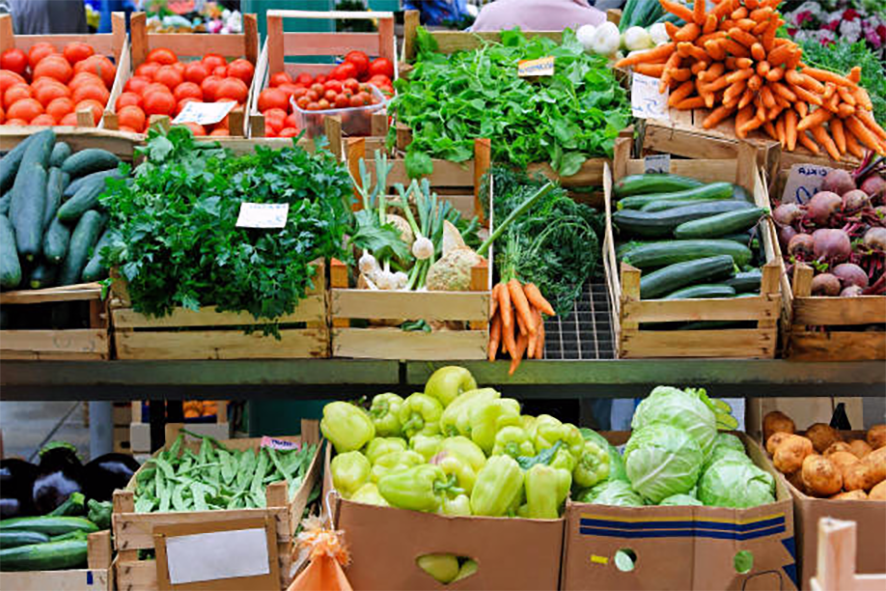 A vegetable market stall.
Welcome to FabulousFusionFood's Vegetable-based Recipes Page — The exact definition of "vegetable" may vary simply because of the many parts of a plant consumed as food worldwide—roots, stems, leaves, flowers, fruits, and seeds. The broadest definition is the word's use adjectivally to mean "matter of plant origin". More specifically, a vegetable may be defined as "any plant, part of which is used for food", a secondary meaning then being "the edible part of such a plant". A more precise definition is "any plant part consumed for food that is not a fruit or seed, but including mature fruits that are eaten as part of a main meal". Falling outside these definitions are edible fungi (such as edible mushrooms) which, although not parts of plants, are often treated as vegetables.
The word vegetable was first recorded in English in the early 15th century. It comes from Old French, and was originally applied to all plants; the word is still used in this sense in biological contexts. It derives from Medieval Latin vegetabilis "growing, flourishing" (i.e. of a plant), a semantic change from a Late Latin meaning "to be enlivening, quickening". The meaning of "vegetable" as a "plant grown for food" was not established until the 18th century. In 1767, the word was specifically used to mean a "plant cultivated for food, an edible herb or root". The year 1955 saw the first use of the shortened, slang term "veggie".
As an adjective, the word vegetable is used in scientific and technical contexts with a different and much broader meaning, namely of "related to plants" in general, edible or not—as in vegetable matter, vegetable kingdom, vegetable origin, etc.
In the definition of "vegetable", which is used in everyday language, the words "fruit" and "vegetable" are mutually exclusive. "Fruit" has a precise botanical meaning, being a part that developed from the ovary of a flowering plant. This is considerably different from the word's culinary meaning. While peaches, plums, and oranges are "fruit" in both senses, many items commonly called "vegetables", such as aubergines, bell peppers, squashes and tomatoes, are botanically fruit.
Vegetables play an important role in human nutrition. Most are low in fat and calories but are bulky and filling. They supply dietary fibre and are important sources of essential vitamins, minerals, and trace elements. Particularly important are the antioxidant vitamins A, C, and E. When vegetables are included in the diet, there is found to be a reduction in the incidence of cancer, stroke, cardiovascular disease, and other chronic ailments. Research has shown that, compared with individuals who eat less than three servings of fruits and vegetables each day, those that eat more than five servings have an approximately twenty percent lower risk of developing coronary heart disease or stroke. The nutritional content of vegetables varies considerably; some contain useful amounts of protein though generally they contain little fat, and varying proportions of vitamins such as vitamin A, vitamin K, and vitamin B6; provitamins; dietary minerals; and carbohydrates.
The consumption of crunchy and hard to chew foods, such as raw vegetables, during youth, while the bones are still growing, is needed for the human's, and other animals', jaws' proper development, and without their consumption, the jaws do not grow to their full size, thus not leaving enough room for the teeth to grow in correctly, causing crooked and impacted teeth.
The recipes presented here are either vegetable-based or have a significant vegetable component.
The alphabetical list of all the Vegetable-based recipes on this site follows, (limited to 100 recipes per page). There are 8002 recipes in total:
Page 43 of 81
| Maize Meal Bagobe (Maize Meal Porridge) Origin: Botswana | Mallow Soup Origin: Britain | Mankaron (Antillean Macaron) Origin: Bonaire |
| Makara (Banana Fritters) Origin: Equatorial Guinea | Mallow Stew Origin: Britain | Mankaron (Antillean Macaron) Origin: Curacao |
| Makaronia tou Fournou (Oven-baked Macaroni with Layers of Minced Meat) Origin: Cyprus | Mallow-leaf Stew Origin: African Fusion | Mankoushe (Lebanese Pizza Dough) Origin: Lebanon |
| Makher Taukari II (Fish Curry II) Origin: Bangladesh | Malpua (Sweet Indian Pancakes) Origin: India | Manos de Cerdo a la Peruana (Peruvian-style Pig's Trotters) Origin: Peru |
| Makhlouta (All-bean Soup) Origin: Lebanon | Malpua with Rabri (Indian Pancakes with Saffron and Rosewater Cream) Origin: India | Mantar Çorbası (Mushroom Soup) Origin: Turkey |
| Makke Origin: England | Maltese Sauce Origin: Malta | Manx Broth for a Wedding Origin: Manx |
| Makki di Roti Origin: India | Malty Oat Biscuits Origin: Britain | Manx Gooseberry Crumble Origin: Manx |
| Makluba (Upside Down Dish) Origin: Palestine | Malu Abulthiyal (Fish Curry with Fragrant Masala) Origin: Sri Lanka | Manx Kipper and Black Pudding Cakes Origin: Manx |
| Makoenya (Lesothan Fat Cakes) Origin: Lesotho | Malvas (Mallow Leaves) Origin: Roman | Manx Mutton Hot-pot Origin: Manx |
| Makubi Origin: Tanzania | Mambazha Pulissery Origin: India | Manx Pasties Origin: Manx |
| Makvlis Supi (Blackberry Soup) Origin: Russia | Mandarin Prawns Origin: Fusion | Maple and Orange Chantenay Carrots Origin: Britain |
| Mala Long Xia (Chinese Spicy Crayfish) Origin: China | Mandas Origin: India | Maple Pecan Cupcakes Origin: American |
| Mála spíosrach (Irish Spice Bag) Origin: Ireland | Mandas of Cucumber Origin: India | Maquereaux Braisés (Barbecued Mackerel) Origin: Cameroon |
| Mala Xiang Guo (Spicy Numbing Stir-fry Pot) Origin: China | Mandas of Red Pumpkin Origin: India | Marake Kaloune (Fish in Sauce) Origin: Djibouti |
| Malabi Milk Pudding with Rose Water Origin: Israel | Mandelspritzgebäck (German Almond Christmas Biscuits) Origin: Germany | Maraq Bilaash (Cherry Tomato Sauce) Origin: Somalia |
| Malaga Raisin Ice Cream Origin: Britain | Mandioca com Miudezas (Cassava with Offal) Origin: Mozambique | Maraq Fahfah (Somali Soup) Origin: Somalia |
| Malagasy Coconut and Vanilla Rice Origin: Madagascar | Mandioca Frita (Cassava Fries) Origin: Mozambique | Maraq Fahfah (Somali Soup) Origin: Somaliland |
| Malai Curry Sauce Origin: India | Mandioca Fritata (Fried Cassava) Origin: Angola | Maraq Hilib Ari (Goat Meat Stew) Origin: Somalia |
| Malai Kofta with Spicy Gravy Origin: India | Mangai Palakottai Kuzhambu (Raw Mango Jackfruit Seed Curry) Origin: India | Marble Cupcakes Origin: Britain |
| Malasadas Origin: Portugal | Mangalorean Spinach and Black Eyed Beans Curry Origin: India | Marble Loaf Cake Origin: Britain |
| Malawi Yellow Rice Origin: Malawi | Mango Atjar Origin: South Africa | Marigold Cheese Soup Origin: Britain |
| Malay Chicken Kurma Origin: Malaysia | Mango Bingsu (Korean Mango Shaved Ice) Origin: Korea | Marigold Jelly Origin: Britain |
| Malaysian Chicken Curry Origin: Malaysia | Mango Coconut Ladoo Origin: Anglo-Indian | Marigold Tart Origin: Britain |
| Malaysian Fish Curry Powder Origin: Malaysia | Mango Falooda Origin: Pakistan | Marinara Pizza Origin: Italy |
| Malaysian Murtabak (Mamak Omelette Pancake) Origin: Malaysia | Mango Pumpkin Pie with Gingersnap Crust Origin: Fusion | Marinara Sauce Origin: Italy |
| Malaysian Peanut Sauce Origin: Malaysia | Mango Seboseb Origin: Palau | Marinated Chile Güerito Peppers Origin: Mexico |
| Malewa (Bamboo and Peanut Soup) Origin: Uganda | Mango Snow Origin: Kenya | Marinated Tofu Skewers Origin: Britain |
| Malian Simbala Powder Origin: Mali | Mangoé Rafalari (Spicy Mango Stew) Origin: Guinea | Marjoram Jelly Origin: Britain |
| Mallorcan-style Easter Lamb Origin: Britain | Mangsher Brown Stew (Mutton Brown Stew) Origin: Anglo-Indian | Markit Ommalah (Chickpea and Lentil Stew) Origin: Tunisia |
| Mallow Cheese with Seaweed Paste Origin: Fusion | Mangú Origin: Dominican Republic | Marmalade and Ginger Slice Origin: Scotland |
| Mallow Leaf Gumbo Origin: Britain | Manhattan Seafood Stew Origin: American | Marmalade of Quinces of Damsons Origin: Britain |
| Mallow Leaf Peanut Sauce Origin: Fusion | Mani (Rice Sweet Dish) Origin: India | Marmalade Ring Cake Origin: Scotland |
| Mallow Leaf Powder Origin: Britain | Manitaria Krasata (Mushrooms in Wine) Origin: Cyprus | |
| Mallow Leaf Stew II Origin: African Fusion | Mankaron (Antillean Macaron) Origin: Aruba |
Page 43 of 81