FabulousFusionFood's Vegetable-based Recipes 36th Page
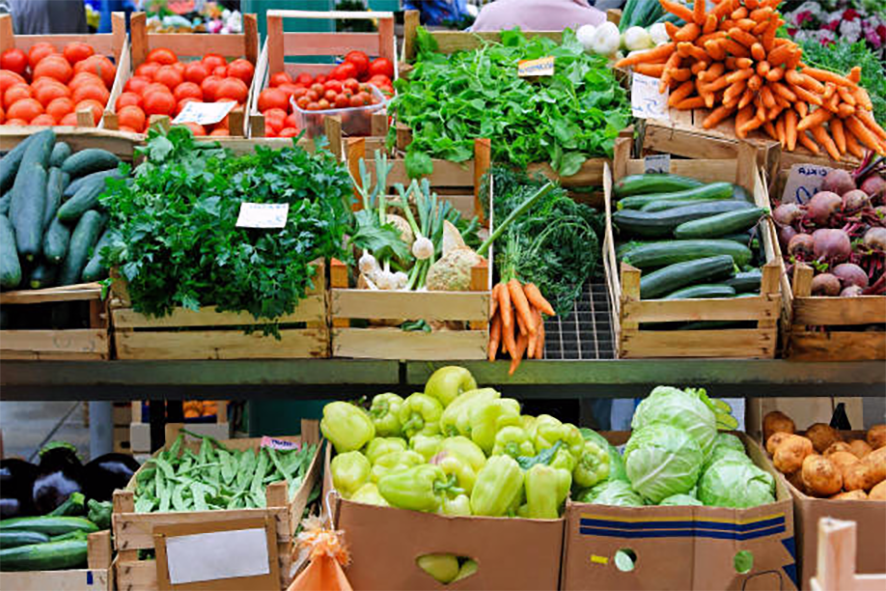 A vegetable market stall.
Welcome to FabulousFusionFood's Vegetable-based Recipes Page — The exact definition of "vegetable" may vary simply because of the many parts of a plant consumed as food worldwide—roots, stems, leaves, flowers, fruits, and seeds. The broadest definition is the word's use adjectivally to mean "matter of plant origin". More specifically, a vegetable may be defined as "any plant, part of which is used for food", a secondary meaning then being "the edible part of such a plant". A more precise definition is "any plant part consumed for food that is not a fruit or seed, but including mature fruits that are eaten as part of a main meal". Falling outside these definitions are edible fungi (such as edible mushrooms) which, although not parts of plants, are often treated as vegetables.
The word vegetable was first recorded in English in the early 15th century. It comes from Old French, and was originally applied to all plants; the word is still used in this sense in biological contexts. It derives from Medieval Latin vegetabilis "growing, flourishing" (i.e. of a plant), a semantic change from a Late Latin meaning "to be enlivening, quickening". The meaning of "vegetable" as a "plant grown for food" was not established until the 18th century. In 1767, the word was specifically used to mean a "plant cultivated for food, an edible herb or root". The year 1955 saw the first use of the shortened, slang term "veggie".
As an adjective, the word vegetable is used in scientific and technical contexts with a different and much broader meaning, namely of "related to plants" in general, edible or not—as in vegetable matter, vegetable kingdom, vegetable origin, etc.
In the definition of "vegetable", which is used in everyday language, the words "fruit" and "vegetable" are mutually exclusive. "Fruit" has a precise botanical meaning, being a part that developed from the ovary of a flowering plant. This is considerably different from the word's culinary meaning. While peaches, plums, and oranges are "fruit" in both senses, many items commonly called "vegetables", such as aubergines, bell peppers, squashes and tomatoes, are botanically fruit.
Vegetables play an important role in human nutrition. Most are low in fat and calories but are bulky and filling. They supply dietary fibre and are important sources of essential vitamins, minerals, and trace elements. Particularly important are the antioxidant vitamins A, C, and E. When vegetables are included in the diet, there is found to be a reduction in the incidence of cancer, stroke, cardiovascular disease, and other chronic ailments. Research has shown that, compared with individuals who eat less than three servings of fruits and vegetables each day, those that eat more than five servings have an approximately twenty percent lower risk of developing coronary heart disease or stroke. The nutritional content of vegetables varies considerably; some contain useful amounts of protein though generally they contain little fat, and varying proportions of vitamins such as vitamin A, vitamin K, and vitamin B6; provitamins; dietary minerals; and carbohydrates.
The consumption of crunchy and hard to chew foods, such as raw vegetables, during youth, while the bones are still growing, is needed for the human's, and other animals', jaws' proper development, and without their consumption, the jaws do not grow to their full size, thus not leaving enough room for the teeth to grow in correctly, causing crooked and impacted teeth.
The recipes presented here are either vegetable-based or have a significant vegetable component.
The alphabetical list of all the Vegetable-based recipes on this site follows, (limited to 100 recipes per page). There are 8002 recipes in total:
Page 36 of 81
| Janssons Frestelse (Janssons Temptation) Origin: Sweden | Jerusalem Artichoke and Kale Gratin Origin: Britain | Ka'abur (Beef and Potato Meatballs) Origin: Tunisia |
| Japanese Baked Mitake Origin: Japan | Jerusalem Artichoke Soup Origin: British | ka-re-raice (Korean Curry Rice) Origin: Korea |
| Japanese Curry and Rice Origin: Japan | Jerusalem Kugel Origin: Jewish | Kabab Kubideh (Grilled Minced Meat) Origin: Iran |
| Japanese Curry Powder Origin: Japan | Jewelled Christmas Cake Origin: Britain | Kabaro au Carry (Malagasy Curried Beans) Origin: Madagascar |
| Japanese Knotweed and Apple Chutney Origin: Britain | Jibna Salata Origin: Sudan | Kabob Egyptienne (Egyptian Kebabs) Origin: Egypt |
| Japanese Knotweed and Ginger Jam Origin: Britain | Johonjö Origin: Equatorial Guinea | Kabocha Squash and Kale Galette Origin: America |
| Japanese Knotweed and Pineapple Marmalade Origin: Britain | Jollof Rice with Chicken Beef and Ham Origin: Ghana | Kabritu Stoba (Stewed Kid Goat) Origin: Aruba |
| Japanese Knotweed and Sorrel Tart Origin: Britain | Jollof Rice with Lamb Origin: Mali | Kabritu Stoba (Goat Stew) Origin: Bonaire |
| Japanese Knotweed Chutney Origin: Britain | Jordanian Hummus Origin: Jordan | Kabura Mushi (Steamed Prawns, Mushrooms, Chicken and Ginkgo Nuts) Origin: Japan |
| Japanese Knotweed Compote Origin: Britain | Joutes of almannd mylk (Herb Pottage with Almond Milk) Origin: England | Kachumbar (Spiced Indian Salad) Origin: Britain |
| Japanese Knotweed Crumble Origin: Britain | Jowar Roti Origin: India | Kachumbari Origin: Rwanda |
| Japanese Knotweed Eve's Pudding Origin: Britain | Jubnyeh (Sweet Cheese Fritters) Origin: Somalia | Kadai Bhindi (Okra Kadai) Origin: India |
| Japanese Knotweed Frangipane Squares Origin: Britain | Judd mat Gaardebounen (Smoked Pork with Broad Beans) Origin: Luxembourg | Kadala Curry Origin: India |
| Japanese Knotweed Frangipane Tart Origin: Britain | Judias Verdes con Salsa de Tomate (Green Beans in Tomato Sauce) Origin: Spain | Kädili Gutap (Butternut Squash Pastries) Origin: Turkmenistan |
| Japanese Knotweed Jam Origin: Britain | Jugo de Avena (Oat and Coconut Smoothie) Origin: Dominican Republic | Kadu Ka Halwa Origin: India |
| Japanese Knotweed Muffins Origin: Britain | Jugo de Guayaba (Guava Juice) Origin: Ecuador | Kafta with Argan Oil (Syrian Meatballs with Argan Oil) Origin: Syria |
| Japanese Knotweed Muffins 2 Origin: Britain | Jugo de Tomatillo (Tomatillo Juice) Origin: Ecuador | Kahvalti Corekleri (Turkish Breakfast Buns) Origin: Turkey |
| Japanese Knotweed Noodles Origin: Britain | Juis de Corossol (Soursop Drink) Origin: Senegal | Kaiserschmarrn (Austrian Torn Pancakes) Origin: Austria |
| Japanese Knotweed Pie Origin: Britain | Juk Juk (Sticky Rice Balls) Origin: Marshall Islands | Kajaik (Sudanese fish stew) Origin: South Sudan |
| Japanese Knotweed Salsa Verde Origin: America | Jumbles Origin: Britain | Kaju Butter Curry Origin: India |
| Japanese Knotweed Syrup Origin: Britain | Jungle Curry Prawns Origin: Thailand | Kaju Maluwa (Cashew Curry) Origin: Sri Lanka |
| Japraci (Collard Greens Dolmas) Origin: Montenegro | Jus de Bissap Malienne (Malian Hibiscus Flower Juice) Origin: Mali | Kakakou (Palm Soup Base) Origin: Cote dIvoire |
| Japrak (Mutton-stuffed Vine Leaves) Origin: Bosnia | Jus de Bouye (Baobab Fruit Drink) Origin: Senegal | Kakrar Jhal (Bengali Crab Curry) Origin: India |
| Jarret de Boeuf Origin: Chad | Jus de Citron (Lime Juice Drink) Origin: Senegal | Kalakand Origin: India |
| Jasha Maroo (Minced Chicken Tshoem) Origin: Bhutan | Jus de Foléré Origin: Guinea | Kalakand Coconut Barfi Origin: India |
| Jeera Rice (Cumin Rice) Origin: India | Jus de Madd (Madd Juice) Origin: Senegal | Kaldu (Senegalese Caldou) Origin: Senegal |
| Jeerjeer Salata Origin: Sudan | Jus de Souchet (Tiger Nut Milk) Origin: Burkina Faso | Kalduni (Kalduni Dumplings) Origin: Lithuania |
| Jerk Bar-B-Q Sauce Origin: Jamaica | Jus de Tamarin (Tamarind Drink) Origin: Senegal | Kalduny (Kalduny Dumplings) Origin: Belarus |
| Jerk Kebabs Origin: Jamaica | Jus Goyave (Guava Juice Drink) Origin: Senegal | Kale Brose Origin: British |
| Jerk Sweet Potato and Black Bean Curry Origin: Jamaica | K'naafeh (String Pastry) Origin: Lebanon | Kale in Butter Origin: Scotland |
| Jerked Leg of Goat Origin: Jamaica | Kétoun (Stew of Tubers) Origin: Guinea | Kale mamoe saka (Lamb Flaps Curry) Origin: Samoa |
| Jersey Bean Soup Origin: Jersey | Köttbullar med Saltgurka, Gräddsås och Äppelströssel (Meatballs with pickles, cream sauce and apple sprinkles) Origin: Sweden | Kale Moa (Samoan Chicken Curry) Origin: Samoa |
| Jersey Ormer Casserole Origin: Jersey | Köttf�°C4;rs och olivpaj (Mince and Olive Pie) Origin: Sweden | |
| Jersey Royal Potatoes with Black Butter Origin: Jersey | Kūpinātas Brētliņas Salāti (Latvian Smoked Sprat Salad) Origin: Latvia |
Page 36 of 81