FabulousFusionFood's Vegetable-based Recipes 39th Page
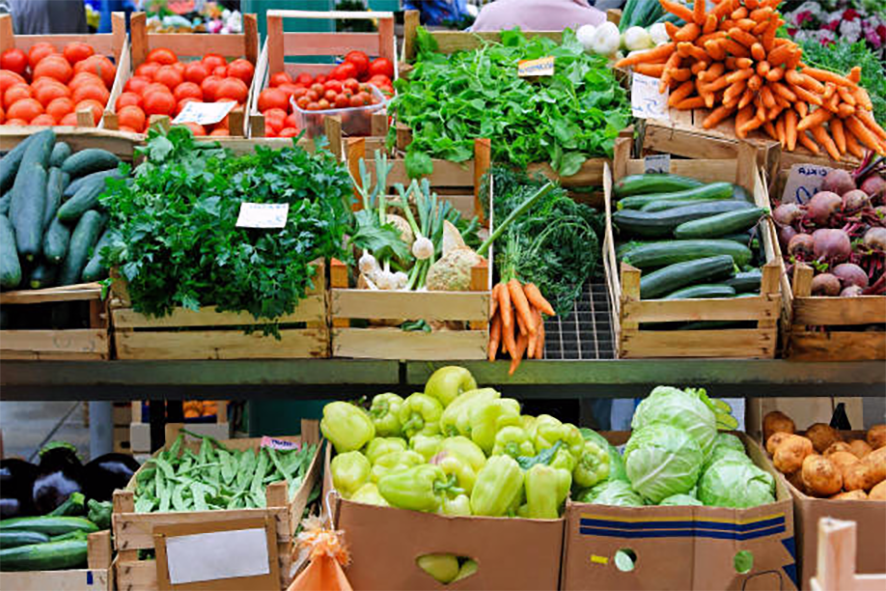 A vegetable market stall.
Welcome to FabulousFusionFood's Vegetable-based Recipes Page — The exact definition of "vegetable" may vary simply because of the many parts of a plant consumed as food worldwide—roots, stems, leaves, flowers, fruits, and seeds. The broadest definition is the word's use adjectivally to mean "matter of plant origin". More specifically, a vegetable may be defined as "any plant, part of which is used for food", a secondary meaning then being "the edible part of such a plant". A more precise definition is "any plant part consumed for food that is not a fruit or seed, but including mature fruits that are eaten as part of a main meal". Falling outside these definitions are edible fungi (such as edible mushrooms) which, although not parts of plants, are often treated as vegetables.
The word vegetable was first recorded in English in the early 15th century. It comes from Old French, and was originally applied to all plants; the word is still used in this sense in biological contexts. It derives from Medieval Latin vegetabilis "growing, flourishing" (i.e. of a plant), a semantic change from a Late Latin meaning "to be enlivening, quickening". The meaning of "vegetable" as a "plant grown for food" was not established until the 18th century. In 1767, the word was specifically used to mean a "plant cultivated for food, an edible herb or root". The year 1955 saw the first use of the shortened, slang term "veggie".
As an adjective, the word vegetable is used in scientific and technical contexts with a different and much broader meaning, namely of "related to plants" in general, edible or not—as in vegetable matter, vegetable kingdom, vegetable origin, etc.
In the definition of "vegetable", which is used in everyday language, the words "fruit" and "vegetable" are mutually exclusive. "Fruit" has a precise botanical meaning, being a part that developed from the ovary of a flowering plant. This is considerably different from the word's culinary meaning. While peaches, plums, and oranges are "fruit" in both senses, many items commonly called "vegetables", such as aubergines, bell peppers, squashes and tomatoes, are botanically fruit.
Vegetables play an important role in human nutrition. Most are low in fat and calories but are bulky and filling. They supply dietary fibre and are important sources of essential vitamins, minerals, and trace elements. Particularly important are the antioxidant vitamins A, C, and E. When vegetables are included in the diet, there is found to be a reduction in the incidence of cancer, stroke, cardiovascular disease, and other chronic ailments. Research has shown that, compared with individuals who eat less than three servings of fruits and vegetables each day, those that eat more than five servings have an approximately twenty percent lower risk of developing coronary heart disease or stroke. The nutritional content of vegetables varies considerably; some contain useful amounts of protein though generally they contain little fat, and varying proportions of vitamins such as vitamin A, vitamin K, and vitamin B6; provitamins; dietary minerals; and carbohydrates.
The consumption of crunchy and hard to chew foods, such as raw vegetables, during youth, while the bones are still growing, is needed for the human's, and other animals', jaws' proper development, and without their consumption, the jaws do not grow to their full size, thus not leaving enough room for the teeth to grow in correctly, causing crooked and impacted teeth.
The recipes presented here are either vegetable-based or have a significant vegetable component.
The alphabetical list of all the Vegetable-based recipes on this site follows, (limited to 100 recipes per page). There are 8002 recipes in total:
Page 39 of 81
| Korokke (Tuna and Water Spinach Fritters) Origin: Palau | Kriibsen (Crayfish, Luxembourg Style) Origin: Luxembourg | Lækker mørbradgryde (Pork Tenderloin Casserole) Origin: Denmark |
| Korrat (Stewed Leeks) Origin: Egypt | Krill Sweet Potato Cakes Origin: Fusion | Lémou Hari (Lemon Juice with Ginger) Origin: Niger |
| Koshari (Lentils, Pasta and Rice) Origin: Egypt | Kroeung Samlor (Khmer Yellow Kroeung) Origin: Cambodia | La Bouille du Tchad (Chadian Porridge) Origin: Chad |
| Kosheri Origin: Egypt | Krumpirova Corba Sa Kiselicom (Sorrel and Potato Soup) Origin: Serbia | La Pagne aux Fruits (Fruited Bread) Origin: Monaco |
| Kosksu bil-Ful (Couscous with Broad Beans) Origin: Malta | Kuba (Mushroom and Barley Casserole) Origin: Czech | La Salade à la Nigerienne (Niger-style Salad) Origin: Niger |
| Kotleciki Owsiane (Savoury Rolled Oat Croquettes) Origin: Poland | Kubani (Dried Apricot Dessert) Origin: India | La Salsa de Cacahuete (Peanut Sauce) Origin: Equatorial Guinea |
| Kotor Bay Stewed Fish Origin: Montenegro | Kuddelfleck (Tripe) Origin: Luxembourg | Labadja Origin: Mali |
| Kouclas Origin: Morocco | Kuku (Chicken) Origin: Kenya | Laban Sauce Origin: Lebanon |
| Kougin Patatez (Breton Potato Cake) Origin: France | Kuku Kadoo (Persian Courgette Omelette) Origin: Iran | Lablabi Origin: Tunisia |
| Kouign Amann (Breton Layered Pastry Cake) Origin: France | Kuku Paka (Chicken-coconut Curry) Origin: East Africa | Lacto-fermented Sea Sandwort Origin: Britain |
| Kouign amann aux pommes (Kouign Amann with Apples) Origin: France | Kukulu Musamma Origin: Sri Lanka | Lactucas (Lettuce) Origin: Roman |
| Koumrangan Origin: Chad | Kulfa ka Saag Besan Cheela (Chickpea Pancakes with Common Purslane) Origin: India | Ladob Banan (Bananas in Coconut Milk) Origin: Seychelles |
| Koumrangan avec Patte d'Arachide (Koumrangan with Peanut Paste) Origin: Chad | Kuli-kuli Origin: Benin | Lafet Time (Honey-glazed Pork with Salad) Origin: Vanuatu |
| Kouneli Stifado (Rabbit Stew) Origin: Greece | Kuli-kuli (Groundnut Cakes) Origin: Nigeria | Laganophake (Lentil Stew) Origin: Roman |
| Koupepia (Dolmades) Origin: Cyprus | Kulish Origin: Ukraine | Lagman Origin: Kyrgyzstan |
| Koupepia (Stuffed Vine Leaves) Origin: Cyprus | Kulu'wa (Eritrean Chopped Meat) Origin: Eritrea | Lagman Origin: Turkmenistan |
| Koupes (Minced Meat in a Wheat Flour Paste) Origin: Cyprus | Kunu Zaki (Millet Kunu Drink) Origin: Nigeria | Lagman Spice Blend Origin: Kyrgyzstan |
| Kourabiedes (Greek Almond Crescents) Origin: Greece | Kunun gyada Origin: Nigeria | Lagman Spice Blend Origin: Tajikistan |
| Koushari (Lentils, Macaroni and Rice in Oil) Origin: Egypt | Kunun Kwakwa Origin: Nigeria | Lagman Spice Blend Origin: Uzbekistan |
| Koushry (Rice with Lentils) Origin: Egypt | Kupus Salata (Croatian Cabbage Salad) Origin: Croatia | Lagman Spice Blend Origin: Afghanistan |
| Kouti (Cassava Croquettes) Origin: Guinea | Kurambiedes (Greek Christmas Biscuits) Origin: Greece | Lagman Spice Blend Origin: Turkmenistan |
| Kozhukattai Payasam Origin: India | Kuru Börülce (Black-eyed Bean Salad) Origin: Northern Cyprus | Lagos sto Fourno (Oven-baked Wild Rabbit) Origin: Cyprus |
| Kozi Ishtu (Keralan Chicken Ishtu) Origin: India | Kusabi Chutney (Safflower Seed and Tamarind Chutney) Origin: India | Lahma Mu'assaga (Savoury Minced Lamb) Origin: Egypt |
| Kpé (Peanut Paste) Origin: Central African Republic | Kuurdak (Stewed Meat, Onions and Potatoes) Origin: Kyrgyzstan | Lahmacun (Turkish-style Pizza) Origin: Turkey |
| Kpakpo Shito (Fresh Shitor) Origin: Ghana | Kuzu Çorbası (Lamb Soup) Origin: Turkey | Lahmajoun Origin: Armenia |
| Kpala (Jute Leaf Sauce) Origin: Cote dIvoire | Kvasivska Selianska (Village Soup) Origin: Russia | Lahooh Origin: Somalia |
| Kpalugu Beef Origin: Ghana | Kwacoco with Banga Soup Origin: Cameroon | Lahooh Origin: Yemen |
| Krækiberjasaft Chatni (Crowberry Chutney) Origin: Iceland | Kyazangi Kaukswe (Rice Noodles with Curry) Origin: Myanmar | Lahpet Thoke (Burmese Tea Leaf Salad) Origin: Myanmar |
| Krækiberjasaft Súpa (Crowberry Soup) Origin: Iceland | Kyboi (Dice Bread) Origin: Roman | Lait Caillé (Curdled Milk) Origin: Guinea |
| Krain Krain (Jute Leaf Stew) Origin: Sierra Leone | Kyet tha Kar la Thar Hin (Chicken and Squash Curry) Origin: Myanmar | Lait de Corossol (Soursop Milk) Origin: Senegal |
| Krampez Yar (Cornish Chicken Pie) Origin: England | Kykeon (Barley Water) Origin: Roman | Lakh Origin: Senegal |
| Kräutlsuppe (Bavarian Herb Soup) Origin: Germany | Kypriaka Lazania (Cypriot Lasagne) Origin: Cyprus | Lakh (Sweet Millet Porridge) Origin: Senegal |
| Krautstrudel (Cabbage Strudel) Origin: Liechtenstein | Kypriakes Ravioles (Cypriot Ravioli) Origin: Cyprus | |
| Kreatossoupa (Meat Soup) Origin: Greece | Kyrgyz Plov Origin: Kyrgyzstan |
Page 39 of 81