FabulousFusionFood's Vegetable-based Recipes 41th Page
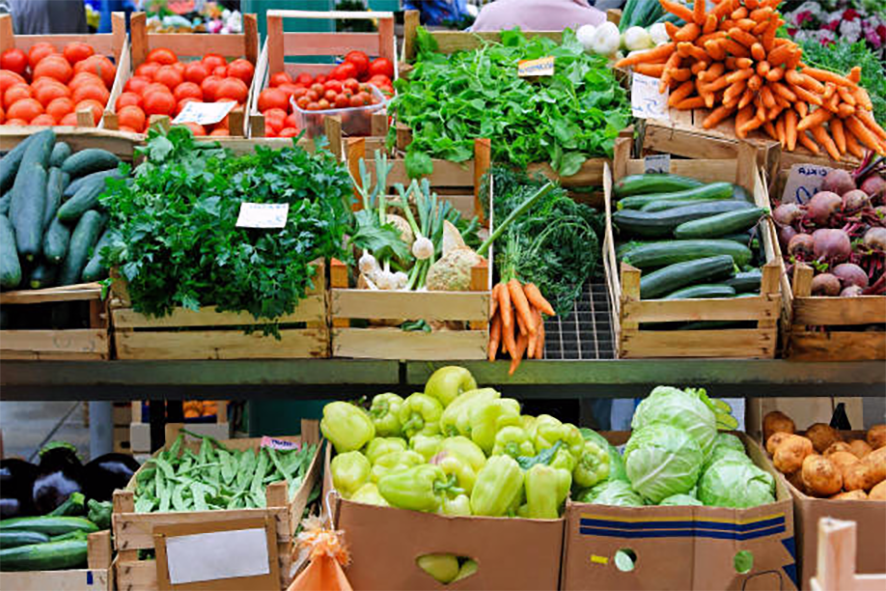 A vegetable market stall.
Welcome to FabulousFusionFood's Vegetable-based Recipes Page — The exact definition of "vegetable" may vary simply because of the many parts of a plant consumed as food worldwide—roots, stems, leaves, flowers, fruits, and seeds. The broadest definition is the word's use adjectivally to mean "matter of plant origin". More specifically, a vegetable may be defined as "any plant, part of which is used for food", a secondary meaning then being "the edible part of such a plant". A more precise definition is "any plant part consumed for food that is not a fruit or seed, but including mature fruits that are eaten as part of a main meal". Falling outside these definitions are edible fungi (such as edible mushrooms) which, although not parts of plants, are often treated as vegetables.
The word vegetable was first recorded in English in the early 15th century. It comes from Old French, and was originally applied to all plants; the word is still used in this sense in biological contexts. It derives from Medieval Latin vegetabilis "growing, flourishing" (i.e. of a plant), a semantic change from a Late Latin meaning "to be enlivening, quickening". The meaning of "vegetable" as a "plant grown for food" was not established until the 18th century. In 1767, the word was specifically used to mean a "plant cultivated for food, an edible herb or root". The year 1955 saw the first use of the shortened, slang term "veggie".
As an adjective, the word vegetable is used in scientific and technical contexts with a different and much broader meaning, namely of "related to plants" in general, edible or not—as in vegetable matter, vegetable kingdom, vegetable origin, etc.
In the definition of "vegetable", which is used in everyday language, the words "fruit" and "vegetable" are mutually exclusive. "Fruit" has a precise botanical meaning, being a part that developed from the ovary of a flowering plant. This is considerably different from the word's culinary meaning. While peaches, plums, and oranges are "fruit" in both senses, many items commonly called "vegetables", such as aubergines, bell peppers, squashes and tomatoes, are botanically fruit.
Vegetables play an important role in human nutrition. Most are low in fat and calories but are bulky and filling. They supply dietary fibre and are important sources of essential vitamins, minerals, and trace elements. Particularly important are the antioxidant vitamins A, C, and E. When vegetables are included in the diet, there is found to be a reduction in the incidence of cancer, stroke, cardiovascular disease, and other chronic ailments. Research has shown that, compared with individuals who eat less than three servings of fruits and vegetables each day, those that eat more than five servings have an approximately twenty percent lower risk of developing coronary heart disease or stroke. The nutritional content of vegetables varies considerably; some contain useful amounts of protein though generally they contain little fat, and varying proportions of vitamins such as vitamin A, vitamin K, and vitamin B6; provitamins; dietary minerals; and carbohydrates.
The consumption of crunchy and hard to chew foods, such as raw vegetables, during youth, while the bones are still growing, is needed for the human's, and other animals', jaws' proper development, and without their consumption, the jaws do not grow to their full size, thus not leaving enough room for the teeth to grow in correctly, causing crooked and impacted teeth.
The recipes presented here are either vegetable-based or have a significant vegetable component.
The alphabetical list of all the Vegetable-based recipes on this site follows, (limited to 100 recipes per page). There are 8002 recipes in total:
Page 41 of 81
| Leftovers Stir-fry with Green Papaya Origin: American | Les beignets de Tréguier (Tréguier Apple Fritters) Origin: France | Licky Pie Origin: England |
| Leftovers Turkey Cakes Origin: Britain | Les Cakes (Chadian Biscuits) Origin: Chad | Liewerkniddelen (Liver Dumplings) Origin: Luxembourg |
| Leftovers Turkey Curry Origin: America | Les Galettes de Farine de Riz (Yeasted Rice Flour Cakes) Origin: Mali | Lightly-spiced Fish Fajitas Origin: Britain |
| Leksour (Mauritanian-style Pancakes with Sauce) Origin: Mauritania | Les haricots de Paimpol (Pampiol Beans) Origin: France | Lightly-stewed Sea Plantains Origin: Britain |
| Leksour (Lamb Stew on Millet Pancakes) Origin: Mauritania | Les Lentilles (Reunion Lentils) Origin: Reunion | Lilac Honey Cake Origin: Britain |
| Lemóni pshtó patátes (Greek Lemony Roasted Potatoes) Origin: Greece | Les Pais au Four (Jersey Bean Crock) Origin: Jersey | Lilac Honey Posset Origin: Britain |
| Lemon and Condensed Milk Biscuits Origin: Botswana | Les Palmiers du Jour de Valentine (Palmiers for Valentine's Day) Origin: France | Lilac Rice Pudding Origin: Britain |
| Lemon and Elderflower Sorbet with Prosecco Origin: Britain | Les Sardines Farcies aux Blettes et aux Moules (Sardines Stuffed with Chard and Mussels) Origin: Monaco | Lime Curd Origin: Britain |
| Lemon and Lime Meringue Tart Origin: Britain | Lesothan Chakalaka Origin: Lesotho | Lime Pickle Origin: India |
| Lemon and Poppy Seed Muffins Origin: Britain | Lesser Celandine Potato Salad Origin: British | Limoo Amani (Persian Dried Limes) Origin: Iran |
| Lemon Balm Vinaigrette Origin: Britain | Lesser Celandine Straws Origin: Britain | Linden Leaf Flour Origin: France |
| Lemon Curd Origin: Britain | Lete Lorye (Milk, Lorraine Style) Origin: England | Linden Leaf Flour Bread Origin: France |
| Lemon Drizzle Cake Origin: Britain | Lettuce and Onion Soup Origin: Britain | Linden Leaf Flour Noodles Origin: Fusion |
| Lemon Meringue Tart Origin: Britain | Lièvre fumé à l'odika (Smoked Rabbit with Ogbono) Origin: Gabon | Ling Fillets with Parsley and Tomato Pesto Origin: Britain |
| Lemon Myrtle Coconut Rice Origin: Fusion | Libata (Duck with Carrots) Origin: DR-Congo | Lingonpäron (Lingonberry Pears) Origin: Sweden |
| Lemon Pistachio Snacking Cake Origin: Britain | Liberian Aubergine Fritters Origin: Liberia | Linguine and Trumpet Chanterelles Origin: Britain |
| Lemon Surprise Pudding Origin: Britain | Liberian Aubergine Stew Origin: Liberia | Linguine with Chanterelles and Leeks Origin: Italy |
| Lemon Verbena Lemonade Origin: Britain | Liberian Cornbread Origin: Liberia | Linguine with saffron, roasted garlic, herb butter and hazelnuts Origin: Britain |
| Lemon Yoghurt Cupcakes Origin: British | Liberian Dry Rice Origin: Liberia | Liphaphatha (Lesothan Bakestone Bread) Origin: Lesotho |
| Lemonadha Siropi (Lemon Squash) Origin: Cyprus | Liberian Eggplant Stew Origin: Liberia | Lipton Onion Soup Mix Copycat Origin: Britain |
| Lemongrass Curry Origin: Cambodia | Liberian Jollof Rice Origin: Liberia | Liquamen ex Piris (A Liquamen from Pears) Origin: Roman |
| Lemongrass Pork with Rice Noodles Origin: Australia | Liberian Jollof Rice Origin: Liberia | Liula-kebab Origin: Georgia |
| Lenticula ex Sphondylis (Lentils and Parsnips) Origin: Roman | Liberian Pawpaw Pie Origin: Liberia | Liula-Kebab (Minced Lamb Kofte) Origin: Azerbaijan |
| Lentil and Hazelnut Burgers Origin: Britain | Liberian Pepper Kala Origin: Liberia | Liver and Heart Kofta Curry Origin: India |
| Lentil and Nettle Curry Origin: Britain | Liberian Prawn Bisque Origin: Liberia | Liver and Onion Kebabs Origin: Britain |
| Lentil Curry with Japanese Knotweed and Sweet Potatoes Origin: Fusion | Liberian Shortbread Origin: Liberia | Llymru Sucan (Sowans Flummery) Origin: Welsh |
| Lentil Curry with Rhubarb and Sweet Potatoes Origin: Fusion | Liberian Spaghetti Origin: Liberia | Llysiau Gyda Saws Caws (Vegetables in a Cheese Sauce) Origin: Welsh |
| Lentil Soup Origin: Britain | Liberian Succotash (Corn and Beans) Origin: Liberia | Llysiau Pob (Roast Vegetables) Origin: Welsh |
| Lentil, Pasta and Vegetable Soup Origin: Britain | Liberian Twisted Doughnuts Origin: Liberia | Loaded Fish Burritos Origin: Britain |
| Lepinja (Triple-raised Soft Flatbread) Origin: Bosnia | Liberian-style Fried Cabbage Origin: Liberia | Lobio Supi (Red Bean Soup) Origin: Georgia |
| Lepinje (Serbian Flatbread) Origin: Serbia | Liboké de Poisson (Fish in Banana Leaf) Origin: Central Africa | Lobio Tkemali (Red Beans with Sour Plums and Balsamic Vinegar) Origin: Georgia |
| Leporem Pipere (Hare Sprinkled with Dry Pepper) Origin: Roman | Libum (Diced Cheese Bread) Origin: Roman | Lobscows (Lobscouse) Origin: Welsh |
| Leporis Conditura (Seasoning for Hare) Origin: Roman | Libyan Lamb Couscous Origin: Libya | |
| Leqebekoane (Lesothan Steamed Bread) Origin: Lesotho | Licky Pasty Origin: England |
Page 41 of 81