FabulousFusionFood's Vegetable-based Recipes 42th Page
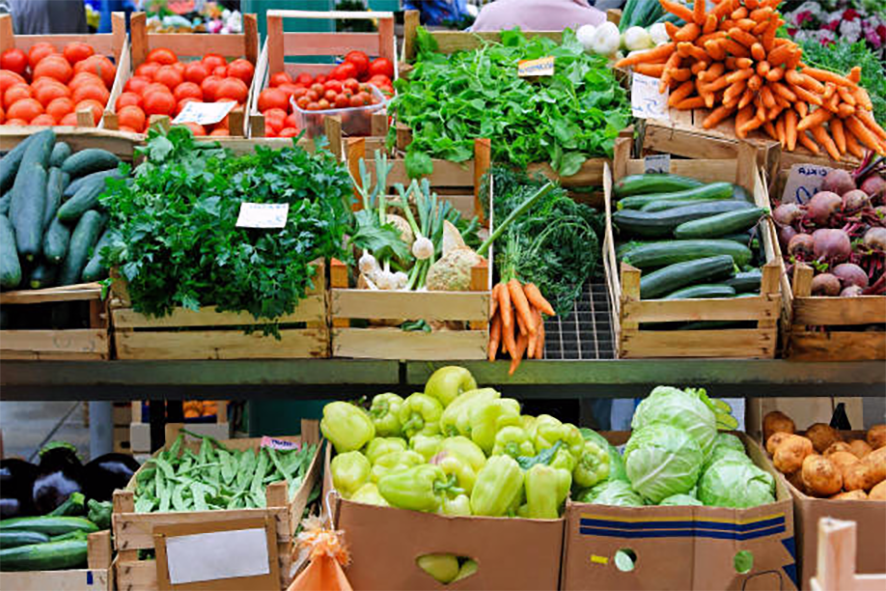 A vegetable market stall.
Welcome to FabulousFusionFood's Vegetable-based Recipes Page — The exact definition of "vegetable" may vary simply because of the many parts of a plant consumed as food worldwide—roots, stems, leaves, flowers, fruits, and seeds. The broadest definition is the word's use adjectivally to mean "matter of plant origin". More specifically, a vegetable may be defined as "any plant, part of which is used for food", a secondary meaning then being "the edible part of such a plant". A more precise definition is "any plant part consumed for food that is not a fruit or seed, but including mature fruits that are eaten as part of a main meal". Falling outside these definitions are edible fungi (such as edible mushrooms) which, although not parts of plants, are often treated as vegetables.
The word vegetable was first recorded in English in the early 15th century. It comes from Old French, and was originally applied to all plants; the word is still used in this sense in biological contexts. It derives from Medieval Latin vegetabilis "growing, flourishing" (i.e. of a plant), a semantic change from a Late Latin meaning "to be enlivening, quickening". The meaning of "vegetable" as a "plant grown for food" was not established until the 18th century. In 1767, the word was specifically used to mean a "plant cultivated for food, an edible herb or root". The year 1955 saw the first use of the shortened, slang term "veggie".
As an adjective, the word vegetable is used in scientific and technical contexts with a different and much broader meaning, namely of "related to plants" in general, edible or not—as in vegetable matter, vegetable kingdom, vegetable origin, etc.
In the definition of "vegetable", which is used in everyday language, the words "fruit" and "vegetable" are mutually exclusive. "Fruit" has a precise botanical meaning, being a part that developed from the ovary of a flowering plant. This is considerably different from the word's culinary meaning. While peaches, plums, and oranges are "fruit" in both senses, many items commonly called "vegetables", such as aubergines, bell peppers, squashes and tomatoes, are botanically fruit.
Vegetables play an important role in human nutrition. Most are low in fat and calories but are bulky and filling. They supply dietary fibre and are important sources of essential vitamins, minerals, and trace elements. Particularly important are the antioxidant vitamins A, C, and E. When vegetables are included in the diet, there is found to be a reduction in the incidence of cancer, stroke, cardiovascular disease, and other chronic ailments. Research has shown that, compared with individuals who eat less than three servings of fruits and vegetables each day, those that eat more than five servings have an approximately twenty percent lower risk of developing coronary heart disease or stroke. The nutritional content of vegetables varies considerably; some contain useful amounts of protein though generally they contain little fat, and varying proportions of vitamins such as vitamin A, vitamin K, and vitamin B6; provitamins; dietary minerals; and carbohydrates.
The consumption of crunchy and hard to chew foods, such as raw vegetables, during youth, while the bones are still growing, is needed for the human's, and other animals', jaws' proper development, and without their consumption, the jaws do not grow to their full size, thus not leaving enough room for the teeth to grow in correctly, causing crooked and impacted teeth.
The recipes presented here are either vegetable-based or have a significant vegetable component.
The alphabetical list of all the Vegetable-based recipes on this site follows, (limited to 100 recipes per page). There are 8002 recipes in total:
Page 42 of 81
| Lobscows #2 (Lobscouse) Origin: Welsh | Luwombo () Origin: Uganda | Mackerel and Samphire Stew Origin: Britain |
| Lobsgows Gorllewin Affrica (West African Lobscouse) Origin: Welsh | Lyonnaise Sauce Origin: France | Mackerel Burger with Sweet Potato Chips Origin: Fusion |
| Lobster Curry Origin: Britain | Lyonnaise Sauce Origin: Britain | Mackerel with currant sauce and radicchio Origin: Britain |
| Locrio (Dominican Cassava Bread) Origin: Dominican Republic | M'Baazi Origin: Kenya | Macrell Ceinewydd (New Quay Mackerel) Origin: Welsh |
| Locro de papa (Ecuadorian potato and cheese soup) Origin: Ecuador | M'Boa com Xima (Pumpkin Leaves in Peanut Sauce with Prawns) Origin: Mozambique | Mada (Green Banana Dumplings) Origin: Norfolk Island |
| Locro de Zapallo Origin: Peru | M'chicha (Spinach with Peanuts) Origin: Tanzania | Madaba (Cassava Leaf and Coconut Stew) Origin: Britain |
| Lohikeitto (Finnish Salmon Soup) Origin: Finland | M'Chuzi wa Nyama (Zanzibar-style Beef Curry) Origin: Britain | Madeeda Hilba II (Fenugreek Porridge) Origin: South Sudan |
| Lokše (Slovak Potato Pancakes) Origin: Slovakia | M'hajeb (Filled Pastries) Origin: Algeria | Madras-style Leftovers Curry Origin: India |
| Lokma (Syrup-drenched Doughnuts) Origin: Turkey | M'raad (Egyptian Aubergine Salad) Origin: Egypt | Madungo Bakes Origin: Saint Vincent |
| Lokmadhes (Cypriot Doughnuts with Honey Syrup) Origin: Cyprus | Mâche Sabayon with Parmesan Shavings Origin: France | Mafé Origin: Senegal |
| Lokmadhes II (Cypriot Potato Doughnuts with Honey Syrup) Origin: Cyprus | Môr-leisiad wedi Potsio gyda Nionyn, Cennin a Ffenigl (Poached Pollack with Onion, Leek and Fennel) Origin: Welsh | Mafé Malienne (Malian Mafé) Origin: Mali |
| Lombo Enrolado (Stuffed and Rolled Pork Loin) Origin: Brazil | Mǎmǎligǎ (Romanian Cornmeal Porridge) Origin: Romania | Mafé Poulet (Chicken Mafé) Origin: Senegal |
| Lomo de Cerdo Relleno (Stuffed Pork Loin) Origin: Spain | M'borokhé (Peanut Sauce with Spinach) Origin: Mali | Mafa (Breadfruit Pudding) Origin: Marshall Islands |
| London Particular Origin: England | Ma'amool Bil Tamer (Date Cakes) Origin: Saudi Arabia | mafè tatou nènn (Naked Peanut Stew) Origin: Mali |
| Long-method Béchamel Sauce Origin: France | Maïs Grillé (Barbecued Corn Cobs) Origin: Niger | Maffé de Tabaski (Maffé for Tabaski) Origin: Cote dIvoire |
| Longan Tong Sui (Snow Fungus Dessert Soup) Origin: China | Maacher Chop (Indian Fish Croquettes) Origin: India | Maffé Mauritanienne (Aubergines and Pumpkin) Origin: Mauritania |
| Lontong (Compressed Rice Cakes) Origin: Malaysia | Maacouda bil Batata (Potato Omelette) Origin: Tunisia | Maffe aux Legumes Arachide (Beef or Lamb in Peanut Butter) Origin: Senegal |
| Lontong (Compressed Rice Cakes) Origin: Cocos Islands | Maafe (Meat Peanut Stew) Origin: Mali | Maffi Gumbo (Okra Sauce) Origin: Guinea |
| Lopo (Fried Summer Squash and Greens) Origin: Lesotho | Maboké de Capitaine (Maboke of Nile Perch) Origin: Central African Republic | Maffi Hakko Origin: Guinea |
| Loseyns in Fysch Day (Lozenge Cakes for Fish Day) Origin: England | Maboke (Steamed Nile Perch) Origin: Central African Republic | Maffi Hakko Bangtura (Sweet Potato Leaf Sauce) Origin: Guinea |
| Loubia B'dersa (Algerian Chili) Origin: Algeria | Macadamia Nut Pie Origin: Marshall Islands | Mafura with Sweet Potatoes Origin: Mozambique |
| Loubia bil Luz (Green Beans with Almonds) Origin: Algeria | Macanese Choy Sum Origin: Macau | Magatla (Oxtail Casserole) Origin: Botswana |
| Louisiana Hot Sauce Origin: America | Macanese Minchi (Minced Meat Potato Hash) Origin: Macau | Magiritsa (Greek Easter Lamb Soup) Origin: Greece |
| Love-apple Soup Origin: British | Macanese-style Portuguese Curry Chicken Origin: Macau | Magret de Canard Rôti (Roast Duck Magret) Origin: France |
| Lū (Baked Taro Leaf Parcels) Origin: Tonga | Macaroni Cheese Origin: Britain | Maharagwe (Spiced Red Beans in Coconut Milk) Origin: Kenya |
| Lū (Baked Taro Leaf Parcels) Origin: Wallis Futuna | Macaroni Salad Origin: American | Maharashtrian Masala Bhat (Spicy Maharashtrian Rice) Origin: India |
| Lucknow Chicken Korma Origin: India | Macaroon-topped Mince Pies Origin: Britain | Maharggwe (Vegetables and Beans) Origin: Burundi |
| Lucky Leprechaun Lime Drink Origin: American | Macau-style Portuguese Curry Chickeno (Macau-style Portuguese Curry Chicken) Origin: Portugal | Mahjouba (Algerian Crêpes) Origin: Algeria |
| Luk Marinovannyi Origin: Georgia | Macedonia Tropical (Tropical Fruit Salad) Origin: Spain | Mahluta Çorbası (Red Lentil Soup) Origin: Turkey |
| Lumpia Wrappers Origin: Philippines | Macedonian Ajvar (Macedonian Pepper Relish) Origin: North Macedonia | Mainese (Cook Island Pink Potato Salad) Origin: Cook Islands |
| Lupis (Sticky Rice Rolls with Palm Sugar Syrup) Origin: Indonesia | Macedonian Tarator (Cucumber and Sour Cream Salad) Origin: North Macedonia | Maisbrot aus Namibia (Namibian-style Cornbread) Origin: Namibia |
| Lupulu (Coconut Cream and Onion in Taro Leaves) Origin: Tonga | Macher Jhol (Keralan Fish Curry) Origin: India | Maitrank (May-drink) Origin: Luxembourg |
| Luscious Lime Cupcakes Origin: Britain | Machli aur Tamatar (Curried Halibut with Tomatoes) Origin: India | |
| Luss-Ny-Greg Saillt (Pickled Samphire) Origin: Manx | Machli ka Salna (Fish Steak Curry) Origin: India |
Page 42 of 81