FabulousFusionFood's Vegetable-based Recipes 40th Page
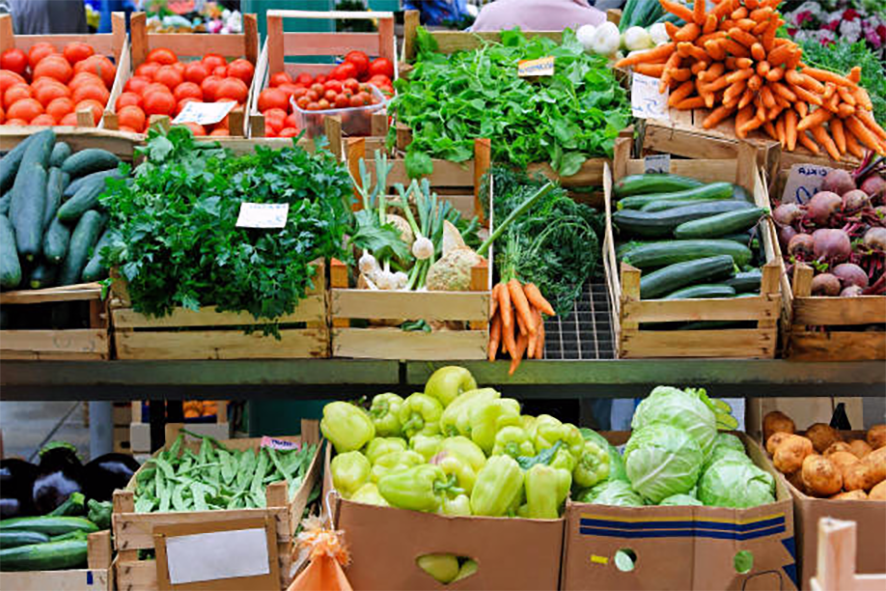 A vegetable market stall.
Welcome to FabulousFusionFood's Vegetable-based Recipes Page — The exact definition of "vegetable" may vary simply because of the many parts of a plant consumed as food worldwide—roots, stems, leaves, flowers, fruits, and seeds. The broadest definition is the word's use adjectivally to mean "matter of plant origin". More specifically, a vegetable may be defined as "any plant, part of which is used for food", a secondary meaning then being "the edible part of such a plant". A more precise definition is "any plant part consumed for food that is not a fruit or seed, but including mature fruits that are eaten as part of a main meal". Falling outside these definitions are edible fungi (such as edible mushrooms) which, although not parts of plants, are often treated as vegetables.
The word vegetable was first recorded in English in the early 15th century. It comes from Old French, and was originally applied to all plants; the word is still used in this sense in biological contexts. It derives from Medieval Latin vegetabilis "growing, flourishing" (i.e. of a plant), a semantic change from a Late Latin meaning "to be enlivening, quickening". The meaning of "vegetable" as a "plant grown for food" was not established until the 18th century. In 1767, the word was specifically used to mean a "plant cultivated for food, an edible herb or root". The year 1955 saw the first use of the shortened, slang term "veggie".
As an adjective, the word vegetable is used in scientific and technical contexts with a different and much broader meaning, namely of "related to plants" in general, edible or not—as in vegetable matter, vegetable kingdom, vegetable origin, etc.
In the definition of "vegetable", which is used in everyday language, the words "fruit" and "vegetable" are mutually exclusive. "Fruit" has a precise botanical meaning, being a part that developed from the ovary of a flowering plant. This is considerably different from the word's culinary meaning. While peaches, plums, and oranges are "fruit" in both senses, many items commonly called "vegetables", such as aubergines, bell peppers, squashes and tomatoes, are botanically fruit.
Vegetables play an important role in human nutrition. Most are low in fat and calories but are bulky and filling. They supply dietary fibre and are important sources of essential vitamins, minerals, and trace elements. Particularly important are the antioxidant vitamins A, C, and E. When vegetables are included in the diet, there is found to be a reduction in the incidence of cancer, stroke, cardiovascular disease, and other chronic ailments. Research has shown that, compared with individuals who eat less than three servings of fruits and vegetables each day, those that eat more than five servings have an approximately twenty percent lower risk of developing coronary heart disease or stroke. The nutritional content of vegetables varies considerably; some contain useful amounts of protein though generally they contain little fat, and varying proportions of vitamins such as vitamin A, vitamin K, and vitamin B6; provitamins; dietary minerals; and carbohydrates.
The consumption of crunchy and hard to chew foods, such as raw vegetables, during youth, while the bones are still growing, is needed for the human's, and other animals', jaws' proper development, and without their consumption, the jaws do not grow to their full size, thus not leaving enough room for the teeth to grow in correctly, causing crooked and impacted teeth.
The recipes presented here are either vegetable-based or have a significant vegetable component.
The alphabetical list of all the Vegetable-based recipes on this site follows, (limited to 100 recipes per page). There are 8002 recipes in total:
Page 40 of 81
| Lakh Mauritanienne Origin: Mauritania | Lapin au Vin Blanc (Rabbit with White Wine) Origin: Gabon | Le Chao Men (New Caledonian Chaw Mein) Origin: New Caledonia |
| Lakka Keitto (Cloudberry Soup) Origin: Finland | Lapin Sauvage avec Chou Rouge (Wild Rabbit with Red Cabbage) Origin: France | Le Chou au Beurre (Buttered Cabbage) Origin: Mauritius |
| Lale Mamoe (Samoan Lamb Curry) Origin: Samoa | Laplap Origin: Vanuatu | Le gâteau nantais (Nantes cake) Origin: France |
| Lam Veritab (Fried Breadfruit) Origin: Haiti | Lapskaus Origin: Norway | Le Goundja (Fish with Aubergines and Cassava Leaves) Origin: Central African Republic |
| Lamb and Cabbage Rolls Origin: Britain | Lasagne al Forno Origin: Italy | Le Kissar Origin: Chad |
| Lamb Biryani Origin: India | Lasagne Verdi Origin: San Marino | Le Koki (Bean Cake) Origin: Chad |
| Lamb Burgers with Mint and Pine Nuts Origin: Cyprus | Lasagne with Mushrooms and Cheeses Origin: Britain | Le Koki de Cameroun (Cameroonian Bean Cake) Origin: Cameroon |
| Lamb Cobbler Origin: England | Lasary Citron (Lemon Condiment) Origin: Reunion | Le Kondré Origin: Cameroon |
| Lamb Curry with Winter Vegetables and Spinach Origin: Fusion | Lasary Manga (Mango Condiment) Origin: Madagascar | Le michon breton (Breton michon) Origin: France |
| Lamb Cutlet Casserole Origin: Britain | Lasary Voatabia (Tomato and Spring Onion Salad) Origin: Madagascar | Le Ndolé Camerounais (Cameroonian Ndolé) Origin: Cameroon |
| Lamb Cutlets and Spinach Origin: Britain | Lashun ka Achar (Indian Garlic Pickle) Origin: India | Le Ouaddaï (Fried Millet Fingers) Origin: Chad |
| Lamb Dhan Saag Origin: India | Lasopy (Madagascar Vegetable Soup) Origin: Madagascar | Le Rougail Boucané (Smoked Pork Rougail) Origin: Reunion |
| Lamb doner Origin: Britain | Last-minute Mincemeat Christmas Cake Origin: Britain | Le Salade Côte Cap Vert (Cape Vert Coast Salad) Origin: Senegal |
| Lamb Julienne with Crispy Dumplings Origin: Britain | Latchiri Kössan (Maize Couscous with Curdled Milk) Origin: Guinea | Le Tô Sauce Gombos (Tô with Okra Sauce) Origin: Burkina Faso |
| Lamb Noisettes with Tomato Salsa Origin: Britain | Latvian Sauerkraut Soup Origin: Latvia | Leamington Sauce Origin: British |
| Lamb Paprikash Origin: Hungary | Latvian Sorrel Soup Origin: Latvia | Lebanese Hummus Origin: Lebanon |
| Lamb Saag Restaurant Style Origin: India | Lauki Kofta Curry (Bottle Gourd Kofta Curry) Origin: India | Lebanese Mlukhiyea (Jute Mallow and Meat Stew) Origin: Lebanon |
| Lamb Shank Madras Origin: India | Lauki Raita (Bottle Gourd Raita) Origin: India | Lebanese Pizza Sauce Origin: Lebanon |
| Lamb Stifado Origin: Cyprus | Launceston Cake Origin: Britain | Lebanese-style Braaied Fruit Salad Origin: South Africa |
| Lamb Tagine Pie Origin: Fusion | Lavash Flatbread Origin: Turkey | Lechon (Roasted Pig) Origin: Philippines |
| Lamb Tagine with Artichokes Origin: Morocco | Lawry's Seasoned Salt Origin: American | Leek and Potato Soup Origin: Britain |
| Lamb with New Potatoes and Coriander Origin: Ireland | Laxoox Origin: Djibouti | Leek and Tripe Soup Origin: England |
| Lamb with Red Wine and Chorizo Origin: Britain | Laxoox Origin: Somaliland | Leeky Larrup Origin: England |
| Lamb with Spinach Origin: Mauritius | Laxoox/Canjeero (Sorghum Bread) Origin: Somalia | Left-over Game Curry Origin: India |
| Lamb's Lettuce Pesto Origin: Britain | Layer Cake Origin: Britain | Leftover Mash and Tinned Fish Fishcakes Origin: Britain |
| Lamb, Apricot and Prune Casserole Origin: African Fusion | Laza Hot Sauce Origin: Kyrgyzstan | Leftover Porridge Muffins Origin: Scotland |
| Lamprais Rice Origin: Sri Lanka | Laza Hot Sauce Origin: China | Leftover Rice Muffins Origin: Britain |
| Lancashire Hot Pot Origin: England | Laza Hot Sauce Origin: Uzbekistan | Leftover Roast Lamb Kota Origin: South Africa |
| Lancashire Meat and Potato Pie Origin: England | Laza Hot Sauce Origin: Kazakhstan | Leftover Turkey and Apricot Curry with Vegetable Rice Origin: Fusion |
| Lancashire Pizza Origin: England | Laza Hot Sauce Origin: Russia | Leftover Vegetable Curry with Tofu Origin: Britain |
| Langues de Chat (Cat's Tongue Biscuits) Origin: France | Laza Hot Sauce Origin: Turkey | Leftovers Jalfrezi with Gravy Origin: India |
| Lantern Soup Origin: British | Lazania sto Fourno (Oven-baked Cypriot Lasagne) Origin: Cyprus | Leftovers Lamb Ragu Origin: Britain |
| Lao Tam Som (Lao Green Papaya Salad) Origin: Laos | Lazeez Lauki (Tasty Stuffed Bottle Gourd) Origin: India | |
| Lapin au Cidre (Rabbit in Cider) Origin: France | Le Canard au tangor et à la Vanille (Clementine and Vanilla Duck) Origin: Reunion |
Page 40 of 81