FabulousFusionFood's Vegetable-based Recipes 47th Page
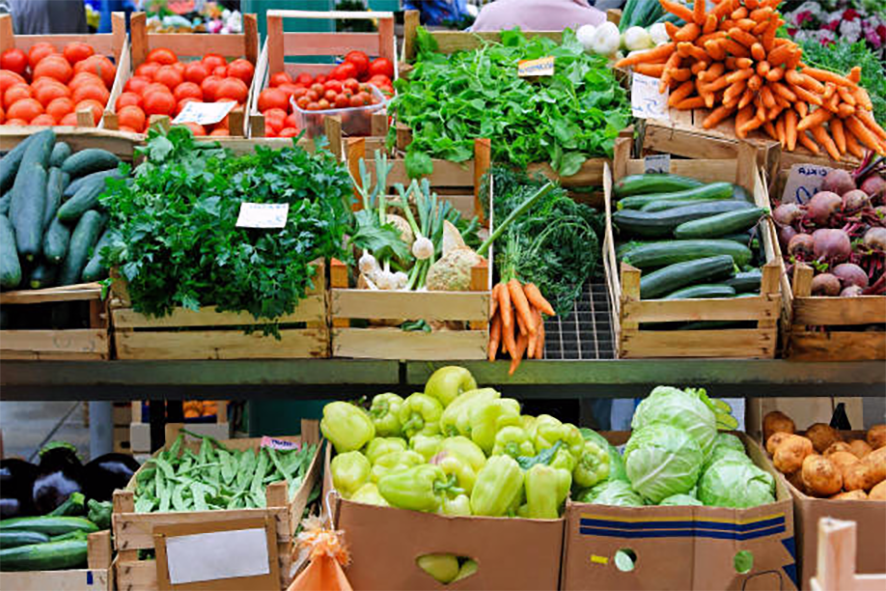 A vegetable market stall.
Welcome to FabulousFusionFood's Vegetable-based Recipes Page — The exact definition of "vegetable" may vary simply because of the many parts of a plant consumed as food worldwide—roots, stems, leaves, flowers, fruits, and seeds. The broadest definition is the word's use adjectivally to mean "matter of plant origin". More specifically, a vegetable may be defined as "any plant, part of which is used for food", a secondary meaning then being "the edible part of such a plant". A more precise definition is "any plant part consumed for food that is not a fruit or seed, but including mature fruits that are eaten as part of a main meal". Falling outside these definitions are edible fungi (such as edible mushrooms) which, although not parts of plants, are often treated as vegetables.
The word vegetable was first recorded in English in the early 15th century. It comes from Old French, and was originally applied to all plants; the word is still used in this sense in biological contexts. It derives from Medieval Latin vegetabilis "growing, flourishing" (i.e. of a plant), a semantic change from a Late Latin meaning "to be enlivening, quickening". The meaning of "vegetable" as a "plant grown for food" was not established until the 18th century. In 1767, the word was specifically used to mean a "plant cultivated for food, an edible herb or root". The year 1955 saw the first use of the shortened, slang term "veggie".
As an adjective, the word vegetable is used in scientific and technical contexts with a different and much broader meaning, namely of "related to plants" in general, edible or not—as in vegetable matter, vegetable kingdom, vegetable origin, etc.
In the definition of "vegetable", which is used in everyday language, the words "fruit" and "vegetable" are mutually exclusive. "Fruit" has a precise botanical meaning, being a part that developed from the ovary of a flowering plant. This is considerably different from the word's culinary meaning. While peaches, plums, and oranges are "fruit" in both senses, many items commonly called "vegetables", such as aubergines, bell peppers, squashes and tomatoes, are botanically fruit.
Vegetables play an important role in human nutrition. Most are low in fat and calories but are bulky and filling. They supply dietary fibre and are important sources of essential vitamins, minerals, and trace elements. Particularly important are the antioxidant vitamins A, C, and E. When vegetables are included in the diet, there is found to be a reduction in the incidence of cancer, stroke, cardiovascular disease, and other chronic ailments. Research has shown that, compared with individuals who eat less than three servings of fruits and vegetables each day, those that eat more than five servings have an approximately twenty percent lower risk of developing coronary heart disease or stroke. The nutritional content of vegetables varies considerably; some contain useful amounts of protein though generally they contain little fat, and varying proportions of vitamins such as vitamin A, vitamin K, and vitamin B6; provitamins; dietary minerals; and carbohydrates.
The consumption of crunchy and hard to chew foods, such as raw vegetables, during youth, while the bones are still growing, is needed for the human's, and other animals', jaws' proper development, and without their consumption, the jaws do not grow to their full size, thus not leaving enough room for the teeth to grow in correctly, causing crooked and impacted teeth.
The recipes presented here are either vegetable-based or have a significant vegetable component.
The alphabetical list of all the Vegetable-based recipes on this site follows, (limited to 100 recipes per page). There are 8002 recipes in total:
Page 47 of 81
| Moqueca de Pixe à Baiana (Grilled Fish, Baian Style) Origin: Brazil | Moussaka Origin: Greece | Mugimeshi (Steamed Rice with Pressed Barley) Origin: Japan |
| Mor Kulambu Origin: India | Mousseline de fruit à pain (Breadfruit mousseline) Origin: Martinique | Mugir Kosha (Chicken Kosha) Origin: India |
| Morel Mattar Masala Origin: Fusion | Moutchentra (Lentil and Rice Pilaff) Origin: Cyprus | Muhammara (Hot Pepper Dip) Origin: Syria |
| Morel Pie Origin: Britain | Mouton à l'Arachide (Lamb with Peanuts) Origin: Benin | Muhammara (Syrian Sweet Pepper Spread) Origin: Syria |
| Morel Rösti Origin: Switzerland | Moyo de Poulet Fume (Moyo of Smoked Chicken) Origin: Benin | Muhammara (Hot Pepper Dip) Origin: Lebanon |
| Morels in Aspic Origin: Britain | Mozambican Caldo Verde Origin: Mozambique | Mujadara Origin: Israel |
| Mornay Toasts Origin: Britain | Mozambique Peri-Peri Origin: Mozambique | Mukimo (Potato and Pumpkin Mash) Origin: Kenya |
| Morning Glory Muffins Origin: New Zealand | Mozzarella Fritters Origin: Ireland | Muland Saangi Ambat (Radish Pod Gravy) Origin: India |
| Moro de guandules con coco (Christmas Rice and Pigeon Peas) Origin: Dominican Republic | Mozzarella-stuffed Mushrooms Origin: Britain | Mulet Farci à la Saint-Louisienne (Stuffed Mullet in the style of Saint-Louis) Origin: Senegal |
| Moroccan Chicken Harira Origin: Morocco | Mr Arnott's Currie Origin: Britain | Mullah Bamyah (Beef and Okra Stew) Origin: Sudan |
| Moroccan Chickpea Soup Origin: Morocco | Mrefisa Origin: Western Sahara | Mullangi Sambar (White Radish Sambar) Origin: India |
| Moroccan Harira Origin: Morocco | Mrs Beeton Asparagus Soup Origin: British | Mulled Wine Yule Stump Cake Origin: Britain |
| Moroccan Lamb Couscous Origin: Morocco | Mrs Beeton Asparagus Soup II Origin: British | Mulled Winter Fruit Crumble Origin: Britain |
| Moroccan Rice Pudding Origin: Morocco | Mrs Beeton Barley Soup Origin: British | Mullet Soup Origin: Cornwall |
| Moroccan Vegetable Harira Origin: Morocco | Mrs Beeton Boiled Neck of Mutton Origin: Britain | Mulligatawney Soup Origin: Britain |
| Moroccan-style Fish and Couscous Parcels Origin: Fusion | Mrs Beeton Brown Gravy Origin: British | Mulligatawny Soup Origin: Anglo-Indian |
| Moroccan-style Five-grain Pilaf Origin: African Fusion | Mrs Beeton Cabbage Soup Origin: British | Multekrem (Cloudberries with Whipped Cream) Origin: Norway |
| Moroccan-style Lamb Kebabs Origin: Fusion | Mrs Beeton Cucumber Soup Origin: British | Mumbai Pav Bhaji Origin: India |
| Morogo Origin: South Africa | Mrs Beeton Leek Soup Origin: British | Mumu Origin: Papua New Guinea |
| Morogo Wa Dinawa (Bean Leaf Stew) Origin: Botswana | Mrs Beeton White Stock Origin: Britain | Mung Dhal Origin: Anglo-Indian |
| Morogo with Butternut Squash Origin: Botswana | Mrs Beeton's Fish Forcemeat Origin: British | Murgh Rasedaar (Chicken Leg Curry) Origin: India |
| Moroho (Fried Greens) Origin: Lesotho | Mrs Black's Plum Pudding Origin: Scotland | Muriro weRape (Stir-fried Rape Greens) Origin: Zimbabwe |
| Morue à la portugaise (Cod with Tomato Sauce) Origin: France | Mtedza Stuffing (Peanut Stuffing) Origin: Malawi | Murphy’s Guts Origin: Ireland |
| Morue Rôtie à la Sauce Tomate (Roast Salt Cod with Tomato Sauce) Origin: Monaco | Mtuza wa Samaki (Baked Curried Fish) Origin: Kenya | Mushaari Origin: Somaliland |
| Moschari me Saltsa Aspri (Veal with White Sauce) Origin: Cyprus | Mû Elamūtum (Elamite Broth) Origin: Mesopotamia | Mushosh (Lentils with Apricots) Origin: Armenia |
| Moshari me Patates (Veal with Potatoes) Origin: Cyprus | Muamba de Cabara (Goat Meat Muamba) Origin: Angola | Mushroom and Lesser Celandine Stroganoff Origin: Fusion |
| Mother's Day Simnel Cupcakes Origin: Britain | Muamba de Galinha (Chicken Muamba) Origin: Angola | Mushroom and Sea Aster Rustic Pie Origin: British |
| Moula Kawal (Kawal Sauce) Origin: Chad | Muamba de Galinha (Angolan Chicken Muamba) Origin: Angola | Mushroom and Sherry Soup Origin: Britain |
| Moulah (Meat and Okra Stew) Origin: Chad | Mucver (Turkish Courgette Patties) Origin: Turkey | Mushroom and Spinach Rustic Pie Origin: Britain |
| Moules à la Luxembourgeoise (Mussels, Luxembourg Style) Origin: Luxembourg | Mudda (Green Banana Dumplings) Origin: Norfolk Island | Mushroom Bhajee Origin: Britain |
| Moules a la Bretonne (Brittany-style Mussels) Origin: France | Mudda (Green Banana Dumplings) Origin: Pitcairn Islands | Mushroom Bhaji Origin: Britain |
| Moules-frites (Mussels and Chips) Origin: France | Mufete de Sardinha (Grilled Sardines with Onion and Chilli Sauce) Origin: Angola | Mushroom Cobbler Origin: Britain |
| Moungra (Pickled Cauliflower) Origin: Cyprus | Mughlai Beef Biriani Origin: India | |
| Mousakkas (Cypriot Moussaka) Origin: Cyprus | Mughlai Lamb Biriani Origin: India |
Page 47 of 81