FabulousFusionFood's Vegetable-based Recipes 53th Page
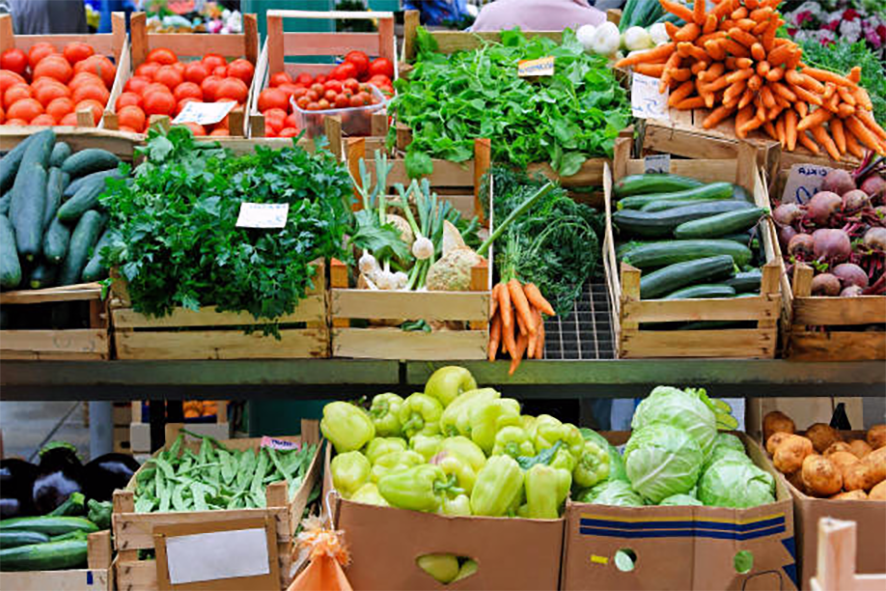 A vegetable market stall.
Welcome to FabulousFusionFood's Vegetable-based Recipes Page — The exact definition of "vegetable" may vary simply because of the many parts of a plant consumed as food worldwide—roots, stems, leaves, flowers, fruits, and seeds. The broadest definition is the word's use adjectivally to mean "matter of plant origin". More specifically, a vegetable may be defined as "any plant, part of which is used for food", a secondary meaning then being "the edible part of such a plant". A more precise definition is "any plant part consumed for food that is not a fruit or seed, but including mature fruits that are eaten as part of a main meal". Falling outside these definitions are edible fungi (such as edible mushrooms) which, although not parts of plants, are often treated as vegetables.
The word vegetable was first recorded in English in the early 15th century. It comes from Old French, and was originally applied to all plants; the word is still used in this sense in biological contexts. It derives from Medieval Latin vegetabilis "growing, flourishing" (i.e. of a plant), a semantic change from a Late Latin meaning "to be enlivening, quickening". The meaning of "vegetable" as a "plant grown for food" was not established until the 18th century. In 1767, the word was specifically used to mean a "plant cultivated for food, an edible herb or root". The year 1955 saw the first use of the shortened, slang term "veggie".
As an adjective, the word vegetable is used in scientific and technical contexts with a different and much broader meaning, namely of "related to plants" in general, edible or not—as in vegetable matter, vegetable kingdom, vegetable origin, etc.
In the definition of "vegetable", which is used in everyday language, the words "fruit" and "vegetable" are mutually exclusive. "Fruit" has a precise botanical meaning, being a part that developed from the ovary of a flowering plant. This is considerably different from the word's culinary meaning. While peaches, plums, and oranges are "fruit" in both senses, many items commonly called "vegetables", such as aubergines, bell peppers, squashes and tomatoes, are botanically fruit.
Vegetables play an important role in human nutrition. Most are low in fat and calories but are bulky and filling. They supply dietary fibre and are important sources of essential vitamins, minerals, and trace elements. Particularly important are the antioxidant vitamins A, C, and E. When vegetables are included in the diet, there is found to be a reduction in the incidence of cancer, stroke, cardiovascular disease, and other chronic ailments. Research has shown that, compared with individuals who eat less than three servings of fruits and vegetables each day, those that eat more than five servings have an approximately twenty percent lower risk of developing coronary heart disease or stroke. The nutritional content of vegetables varies considerably; some contain useful amounts of protein though generally they contain little fat, and varying proportions of vitamins such as vitamin A, vitamin K, and vitamin B6; provitamins; dietary minerals; and carbohydrates.
The consumption of crunchy and hard to chew foods, such as raw vegetables, during youth, while the bones are still growing, is needed for the human's, and other animals', jaws' proper development, and without their consumption, the jaws do not grow to their full size, thus not leaving enough room for the teeth to grow in correctly, causing crooked and impacted teeth.
The recipes presented here are either vegetable-based or have a significant vegetable component.
The alphabetical list of all the Vegetable-based recipes on this site follows, (limited to 100 recipes per page). There are 8002 recipes in total:
Page 53 of 81
| Passion Fruit Soufflé Origin: Britain | Pastelón (Sweet Plantain Lasagna) Origin: Puerto Rico | Payn Ragonn Origin: England |
| Pastırma Origin: Turkey | Pastelón de Papa (Dominican Cottage Pie) Origin: Dominican Republic | Pazun Hin (Prawn Curry) Origin: Myanmar |
| Pasta al Limone (Creamy Lemon Pasta with Parmesan) Origin: Italy | Pašticada (Dalmatian Beef Stew with Prunes and Apples) Origin: Croatia | Pchali (Herb Fritters) Origin: Georgia |
| Pasta al Sugo e Berbere (Pasta with Eritrean Tomato Sauce) Origin: Eritrea | Pašticada (Croatian Beef Stew) Origin: Croatia | Pe Htamin (Lentil Rice) Origin: Myanmar |
| Pasta con Cece (Pasta Soup with Chickpeas) Origin: San Marino | Pastiera di Grano (Neapolitan Grain Pie) Origin: Italy | Pe Kyar Zan Thoke (Glass Noodle Salad) Origin: Myanmar |
| Pasta Con Sugo ai Funghi (Pasta with mixed mushroom sauce) Origin: Italy | Pastiera Napoletana (Naples Easter Cakes) Origin: Italy | Pe ni lay hin cho (Lentil Soup) Origin: Myanmar |
| Pasta Crisps Origin: Britain | Pasties Boiled in Beef Broth Origin: Cornwall | Pe Nyat (Beans Curry) Origin: Myanmar |
| Pasta e Cece (Pasta Soup with Chickpeas II) Origin: San Marino | Pastizzi tal Pizelli (Pea Pastizzi) Origin: Malta | Pea Soup and Meat Origin: Guinea-Bissau |
| Pasta Frolla Origin: Italy | Pat Anggeum (Sweet Red Bean Paste) Origin: Korea | Pea, Lettuce and Lovage Soup Origin: Britain |
| Pasta Piri-piri (Piri-piri Chilli Paste) Origin: Portugal | Patacones (Fried Green Plantains) Origin: Colombia | Peaches with Creamy Mascarpone Filling Origin: Britain |
| Pasta Primavera with Dryad's Saddle and Chicken of the Woods Origin: Britain | Patate e Finocchida Lucca (Roast Potatoes with Fennel Seeds) Origin: Britain | Peanut and Chicken Kebabs Origin: Britain |
| Pasta with Creamy Parasol Mushrooms Origin: British | Patates Antinaktes (Tossed New Potatoes) Origin: Cyprus | Peanut and Greens Soup Origin: African Fusion |
| Pasta with Daylily Flower Buds and Mushrooms Origin: American | Patates Douces Frites (Guinean Fried Sweet Potatoes) Origin: Guinea | Peanut Chicken Curry Origin: Fusion |
| Pasta with Mixed Wild Mushroom Sauce Origin: Britain | Patbingsu (Korean Shaved Ice with Red Bean Paste) Origin: Korea | Peanut Rougail Origin: Mauritius |
| Pasta with Olives and Caperberries Origin: Britain | Pâte Sablée Selon (pate-sablee-selon) Origin: France | Peanut-crusted basa fillets Origin: Britain |
| Pasta with Wild Greens Origin: Britain | Patellam ex holisatro (Artichokes Cooked in Herbs) Origin: Roman | Peapod Soup Origin: Scotland |
| Pastai Briwgig Eidion a Nionod (Welsh Beef Mince and Onion Pies) Origin: Welsh | Patellam Lucretianam (A Dish à la Lucretius) Origin: Roman | Pear and Apple Ginger Galette Origin: America |
| Pastai Briwgig Eidion a Nionod (Leek and Caerphilly Cheese Crumble Tart) Origin: Welsh | Patina de Cucurbitis (A Dish of Melon) Origin: Roman | Pear and Blackberry Cobbler Origin: Britain |
| Pastai Cennin (Leek Pasty) Origin: Welsh | Patina de Cydoneis (A Dish of Quinces) Origin: Roman | Pears in Honey Syrup Origin: China |
| Pastai Cig Carw (Venison Pie) Origin: Welsh | Patina Fusilis (A Fluid Dish) Origin: Roman | Peasant Soup Origin: Britain |
| Pastai cig carw gyda chennin a chaead thatws rosti (Venison Pie with Leeks and Rosti Topping) Origin: Welsh | Patina Fusilis (A Dish of Wild Herbs) Origin: Roman | Pecan Brie Tarts Origin: Britain |
| Pastai Cocos (Cockle Pie) Origin: Welsh | Patina Fusilis (A Dish of Cold Asparagus) Origin: Roman | Pecan Coffee Fudge Origin: Britain |
| Pastai Cocos, Tatws a Chennin (Cockle, Potato and Leek Pie) Origin: Welsh | Patina Piscium (A Dish of Fish) Origin: Roman | Peixe Seco Com Óleo de Amendoim (Dried Fish with Groundnut Oil) Origin: Mozambique |
| Pastai Cymreig Cocos a Chennin (Welsh Cockle and Leek Pie) Origin: Welsh | Patina Urticarum (A Dish of Stinging Nettles) Origin: Roman | Peixinhos da Horta (Deep Fried Battered Beans) Origin: Portugal |
| Pastai Oen Cymreig (Welsh Lamb Pie) Origin: Welsh | Patina zomoteganon (Fish Fillets with Leek and Coriander) Origin: Roman | Peking Duck Origin: China |
| Pastai Pysgotwr (Fisherman's Pie) Origin: Welsh | Patinam ex Lacte (Milk Casserole) Origin: Roman | Peking-style Vegetable Dumplings Origin: China |
| Pastai Tatws (Potato Pie) Origin: Welsh | Patka sa kiselim kupusom (Duck with Sauerkraut) Origin: Croatia | Peli bara lawr, perlysiau a lemwn gyda saws iogwrt (Laverbread, Herb and Lemon Balls with Yoghurt Sauce) Origin: Welsh |
| Pastai Ystumllwynarth (Oystermouth Pie) Origin: Welsh | Patna or Bombay Pickled Onions Origin: Anglo-Indian | Pemahun Origin: Sierra Leone |
| Pastai'r Bwthyn (Cottage-style Pie) Origin: Welsh | Pato con Aceitunas (Duck with Olives) Origin: Spain | Penang Prawn Curry Origin: Thailand |
| Pastei'r Porthmon (Drover's Pie) Origin: Welsh | Pato-bravo com Sálvia (Pot-baked Duck with Sage) Origin: Mozambique | Penfras Cymraeg Wedi Pobi (Welsh Cod Bake) Origin: Welsh |
| Pastel De Choclo (Corn Pudding) Origin: Argentina | Pau-Pau Chatni (Papaya Chutney) Origin: Seychelles | Penne with Edible Flowers Origin: Britain |
| Pastel de Jamón (Ham Cakes) Origin: Peru | Paupiettes de porc au curry d'automne (Pork Rolls with Autumn Curry) Origin: Saint Pierre | Penne with Fresh Pumpkin Sauce Origin: American |
| Pastel de Papas con Tres Quesos (Potato Cake with Three Cheeses) Origin: Peru | Pav Bhaji (Spicy Vegetables with Bread) Origin: India | |
| Pastelitos de yuca con atún (Cassava and Tuna Pies) Origin: Colombia | Pav Bhaji Masala Origin: India |
Page 53 of 81