FabulousFusionFood's Vegetable-based Recipes 54th Page
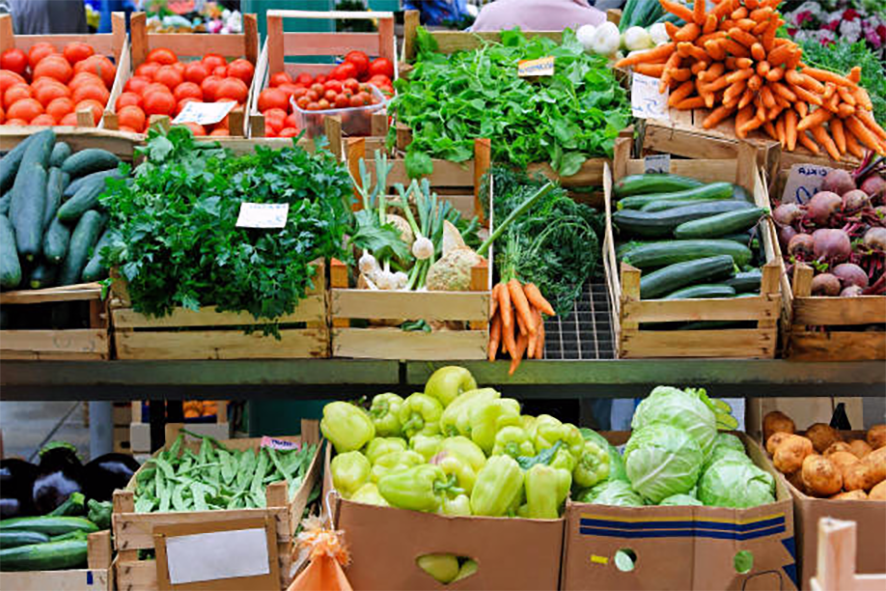 A vegetable market stall.
Welcome to FabulousFusionFood's Vegetable-based Recipes Page — The exact definition of "vegetable" may vary simply because of the many parts of a plant consumed as food worldwide—roots, stems, leaves, flowers, fruits, and seeds. The broadest definition is the word's use adjectivally to mean "matter of plant origin". More specifically, a vegetable may be defined as "any plant, part of which is used for food", a secondary meaning then being "the edible part of such a plant". A more precise definition is "any plant part consumed for food that is not a fruit or seed, but including mature fruits that are eaten as part of a main meal". Falling outside these definitions are edible fungi (such as edible mushrooms) which, although not parts of plants, are often treated as vegetables.
The word vegetable was first recorded in English in the early 15th century. It comes from Old French, and was originally applied to all plants; the word is still used in this sense in biological contexts. It derives from Medieval Latin vegetabilis "growing, flourishing" (i.e. of a plant), a semantic change from a Late Latin meaning "to be enlivening, quickening". The meaning of "vegetable" as a "plant grown for food" was not established until the 18th century. In 1767, the word was specifically used to mean a "plant cultivated for food, an edible herb or root". The year 1955 saw the first use of the shortened, slang term "veggie".
As an adjective, the word vegetable is used in scientific and technical contexts with a different and much broader meaning, namely of "related to plants" in general, edible or not—as in vegetable matter, vegetable kingdom, vegetable origin, etc.
In the definition of "vegetable", which is used in everyday language, the words "fruit" and "vegetable" are mutually exclusive. "Fruit" has a precise botanical meaning, being a part that developed from the ovary of a flowering plant. This is considerably different from the word's culinary meaning. While peaches, plums, and oranges are "fruit" in both senses, many items commonly called "vegetables", such as aubergines, bell peppers, squashes and tomatoes, are botanically fruit.
Vegetables play an important role in human nutrition. Most are low in fat and calories but are bulky and filling. They supply dietary fibre and are important sources of essential vitamins, minerals, and trace elements. Particularly important are the antioxidant vitamins A, C, and E. When vegetables are included in the diet, there is found to be a reduction in the incidence of cancer, stroke, cardiovascular disease, and other chronic ailments. Research has shown that, compared with individuals who eat less than three servings of fruits and vegetables each day, those that eat more than five servings have an approximately twenty percent lower risk of developing coronary heart disease or stroke. The nutritional content of vegetables varies considerably; some contain useful amounts of protein though generally they contain little fat, and varying proportions of vitamins such as vitamin A, vitamin K, and vitamin B6; provitamins; dietary minerals; and carbohydrates.
The consumption of crunchy and hard to chew foods, such as raw vegetables, during youth, while the bones are still growing, is needed for the human's, and other animals', jaws' proper development, and without their consumption, the jaws do not grow to their full size, thus not leaving enough room for the teeth to grow in correctly, causing crooked and impacted teeth.
The recipes presented here are either vegetable-based or have a significant vegetable component.
The alphabetical list of all the Vegetable-based recipes on this site follows, (limited to 100 recipes per page). There are 8002 recipes in total:
Page 54 of 81
| Penwaig Hallt (Salt Herring) Origin: Welsh | Phane Stew Origin: Botswana | Pickled Sea Aster Origin: England |
| Pèpè Soupe (Ivorian Pepper Soup) Origin: Cote dIvoire | Pheasant Game Soup Origin: Britain | Pickled Sea Lettuce Origin: Britain |
| Peperonata Origin: Italy | Pheasant Soup Origin: British | Pickled Sea Purslane Origin: Britain |
| Pepián Origin: Guatemala | Pheasant Stew with Whisky Origin: Scotland | Pickled Sea Purslane II Origin: Britain |
| Pepones et Melones (Water and Honey Melons) Origin: Roman | Phool gobhi Achari Origin: India | Pickled Serrated Wrack Origin: Britain |
| Pepper Pasta Pie Origin: South Africa | Phulka (Puffed Flatbread) Origin: India | Pickled Spanish Onions Origin: British |
| Pepper Soupe de Poisson (Fish Pepper Soup) Origin: Cameroon | Piña Colada Cupcakes Origin: Britain | Pickled Spruce Tips Origin: Canada |
| Peppered Snails Origin: Nigeria | Piahia (Coconut Milk Sauce) Origin: Federated States Micronesia | Pickled Spruce Tips Rémoulade Sauce Origin: Canada |
| Peppermint Creams Origin: Scotland | Picadillo Origin: Cuba | Pickled Three-cornered Leek Bulbs Origin: Britain |
| Peppermint Patties Origin: American | Picadillo de Vainicas (Green Bean Picadillo) Origin: Costa Rica | Pickled Three-cornered Leek Bulbs Origin: British |
| Pera piña (Dominican Rice and Pineapple Drink) Origin: Dominican Republic | Picado de Rábano (Radish Salad) Origin: Guatemala | Pickled Wild Leek Bulbs Origin: British |
| Perch Benachin Origin: Gambia | Picau Cenin a Bacwn Caerffili (Caerphilly Leek and Bacon Welsh Cakes) Origin: Welsh | Pico de Gallo Origin: Mexico |
| Perdicem cum pluma (Sauce for Wood Pigeon or Partridge) Origin: Roman | Piccalilli Origin: Britain | Pied de Veau aux Pois Chiches (Calf's Feet with Chickpeas) Origin: Burkina Faso |
| Perfect Mashed Potatoes Origin: Britain | Pick a Pepper Soup Origin: Equatorial Guinea | Pierogies Origin: Georgia |
| Perfect Roast Potatoes Origin: Britain | Pick-up Saltfish Origin: US Virgin Islands | Piezly Mukhat (Chickpea and Onion Stew) Origin: Tajikistan |
| Perfect Steamed Rice Origin: Asia | Pickle Chicken Curry Origin: India | Pig Tail Bouillon with Dumplings Origin: Saint Lucia |
| Perfect Valentine Steaks with Root Vegetables Origin: Britain | Pickled Alexanders Buds Origin: Britain | Pigeon Breast with Red Wine Gravy, Roast Leeks and Wild Mushrooms Origin: Britain |
| Perkedel Kentang (Potato Patties) Origin: Indonesia | Pickled Angelica Origin: Britain | Pigeon Peas and Rice Origin: Barbados |
| Perro Caliente (Hot Dog) Origin: American | Pickled Beetroot Origin: Britain | Pigeons aux Mandarines (Pigeons with Tangerines) Origin: France |
| Persian Jewelled Rice Origin: Iran | Pickled Bladderwrack Origin: Britain | Pigeons Bonne Femme Origin: France |
| Persian Lentils with Orange Juice and Angelica Origin: Iran | Pickled Bramble Tips Origin: Britain | Pigeons grillés au makala (Grilled Makala Pigeons) Origin: DR-Congo |
| Pescado Frito (Fried Fish) Origin: Ecuador | Pickled Crow Garlic Bulbs Origin: Britain | Pihlohlo mwehng Origin: Federated States Micronesia |
| Pesmol (Mackerel with Bell Pepper in a Coconut and Chilli Sauce) Origin: Indonesia | Pickled Daylily Buds Origin: America | Pika (Onion and Chilli Pickle) Origin: Curacao |
| Pesto Bara Lawr a Garlleg Gwyllt (Laverbread and Wild Garlic Pesto) Origin: Welsh | Pickled Dill Cucumbers Origin: Britain | Pikliz Origin: Haiti |
| Pesto Gwymon (Seaweed Pesto) Origin: Welsh | Pickled Dulse Origin: Britain | Pilaf Rizi (Rice Pilaf) Origin: Cyprus |
| Pesto Pastry Stars Origin: Britain | Pickled Kelp Origin: Britain | Pilaf-Stuffed Onions Origin: Middle East |
| Pesto Petiolata Origin: Italy | Pickled Kombu Origin: Japan | Pilafi Pourgouri (Crushed Wheat Pilaf) Origin: Cyprus |
| Petalonia Croquettes Origin: Britain | Pickled Magnolia Flowers Origin: Britain | Pilao (Comorian Pilau) Origin: Comoros |
| Petit Salé with Winter Root Vegetables and Ceps Origin: Britain | Pickled Marsh Samphire Origin: Britain | Pilau Boeuf de Comores (Comorian Beef Pilau) Origin: Comoros |
| Peuorat for veel and veneson (Poivrade for Veal and Venison) Origin: England | Pickled Nasturtium Seed Pods Origin: Britain | Pilau Mouton de Comores (Comorian Mutton Pilau) Origin: Comoros |
| Peynirli Künefe (Turkish Cheesecake) Origin: Turkey | Pickled Parsley Piert Origin: British | Pilau Rice Origin: India |
| Phaksha Pa Origin: Bhutan | Pickled Purslane Origin: Britain | Pilau Rice Origin: Britain |
| Phaksha Paa (Bhutanese Pork with Chillies) Origin: Bhutan | Pickled Purslane with Chilli Origin: American | |
| Phali (Young Beet Greens in Walnut Sauce) Origin: Georgia | Pickled Red Cabbage Origin: Britain |
Page 54 of 81