FabulousFusionFood's Vegetable-based Recipes 29th Page
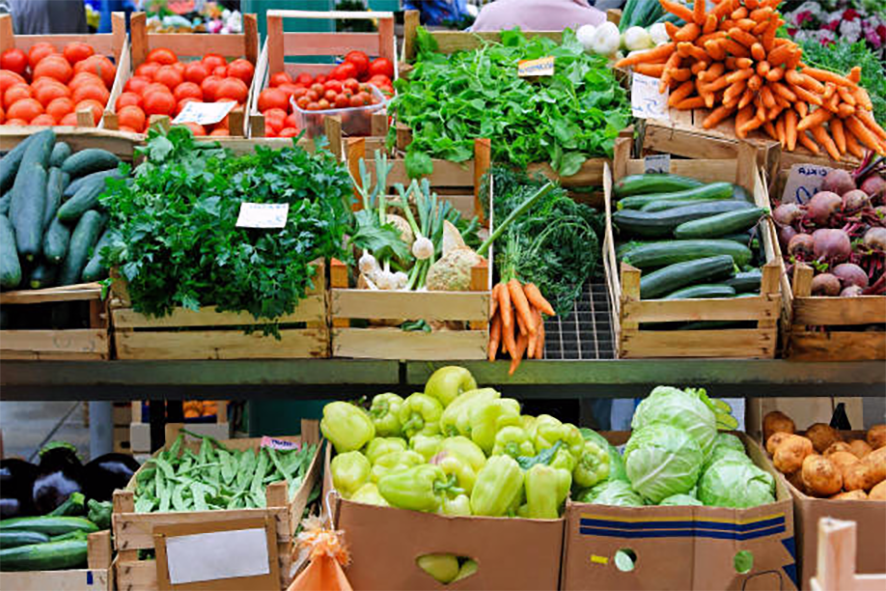 A vegetable market stall.
Welcome to FabulousFusionFood's Vegetable-based Recipes Page — The exact definition of "vegetable" may vary simply because of the many parts of a plant consumed as food worldwide—roots, stems, leaves, flowers, fruits, and seeds. The broadest definition is the word's use adjectivally to mean "matter of plant origin". More specifically, a vegetable may be defined as "any plant, part of which is used for food", a secondary meaning then being "the edible part of such a plant". A more precise definition is "any plant part consumed for food that is not a fruit or seed, but including mature fruits that are eaten as part of a main meal". Falling outside these definitions are edible fungi (such as edible mushrooms) which, although not parts of plants, are often treated as vegetables.
The word vegetable was first recorded in English in the early 15th century. It comes from Old French, and was originally applied to all plants; the word is still used in this sense in biological contexts. It derives from Medieval Latin vegetabilis "growing, flourishing" (i.e. of a plant), a semantic change from a Late Latin meaning "to be enlivening, quickening". The meaning of "vegetable" as a "plant grown for food" was not established until the 18th century. In 1767, the word was specifically used to mean a "plant cultivated for food, an edible herb or root". The year 1955 saw the first use of the shortened, slang term "veggie".
As an adjective, the word vegetable is used in scientific and technical contexts with a different and much broader meaning, namely of "related to plants" in general, edible or not—as in vegetable matter, vegetable kingdom, vegetable origin, etc.
In the definition of "vegetable", which is used in everyday language, the words "fruit" and "vegetable" are mutually exclusive. "Fruit" has a precise botanical meaning, being a part that developed from the ovary of a flowering plant. This is considerably different from the word's culinary meaning. While peaches, plums, and oranges are "fruit" in both senses, many items commonly called "vegetables", such as aubergines, bell peppers, squashes and tomatoes, are botanically fruit.
Vegetables play an important role in human nutrition. Most are low in fat and calories but are bulky and filling. They supply dietary fibre and are important sources of essential vitamins, minerals, and trace elements. Particularly important are the antioxidant vitamins A, C, and E. When vegetables are included in the diet, there is found to be a reduction in the incidence of cancer, stroke, cardiovascular disease, and other chronic ailments. Research has shown that, compared with individuals who eat less than three servings of fruits and vegetables each day, those that eat more than five servings have an approximately twenty percent lower risk of developing coronary heart disease or stroke. The nutritional content of vegetables varies considerably; some contain useful amounts of protein though generally they contain little fat, and varying proportions of vitamins such as vitamin A, vitamin K, and vitamin B6; provitamins; dietary minerals; and carbohydrates.
The consumption of crunchy and hard to chew foods, such as raw vegetables, during youth, while the bones are still growing, is needed for the human's, and other animals', jaws' proper development, and without their consumption, the jaws do not grow to their full size, thus not leaving enough room for the teeth to grow in correctly, causing crooked and impacted teeth.
The recipes presented here are either vegetable-based or have a significant vegetable component.
The alphabetical list of all the Vegetable-based recipes on this site follows, (limited to 100 recipes per page). There are 8002 recipes in total:
Page 29 of 81
| Gãteau à la Banane (Banana Cake) Origin: Togo | Garaasa be Dama (Sudanese Flatbread with Meat Sauce) Origin: Sudan | Gazaneh (Iranian Nettle Soup) Origin: Iran |
| Güschgle-Knöpfle (Güshgle-style Button Noodles) Origin: Liechtenstein | Garbansos con salchichas (Chickpeas with Sausages) Origin: Colombia | Gazpacho Manchego (Manchego Gazpacho) Origin: Spain |
| Gabon Cucumber Salad Origin: Gabon | Garbanzos con Acelgas (Chickpeas with Chard) Origin: Spain | Gazpacho Smoothie Origin: American |
| Gadang Pit (Red Curry Chicken) Origin: Laos | Garden Vegetable Soup Origin: Britain | Gazpacho Soup Origin: Spain |
| Gado Gado with Sambal Kacang Origin: Indonesia | Gardener's Chicken Origin: Ireland | Gazpacho Vuido Origin: Spain |
| Gaeng Karee Gai (Yellow Curry With Chicken) Origin: Thailand | Gari aux Crevettes (Gari with Prawns) Origin: Cameroon | Gbékui (Spinach Sauce) Origin: Togo |
| Gaeng Khiaw Waen (Green Curry with Pork) Origin: Thailand | Gari Dossi Origin: Togo | Gboma Dessi (Spinach Sauce with Beef) Origin: Togo |
| Gaeng Ki Lek (Northern Thai Pork and Ki Lek Curry with Fingerroot) Origin: Thailand | Gari Foto Origin: Ghana | Gebne Mankoushe (Lebanese Cheese Pizza) Origin: Lebanon |
| Gaeng Ki Lek (Northern Thai Pork and Ki Lek Curry with Fingerroot) Origin: Thailand | Gari Foto Béninoise (Beninese Gari Foto) Origin: Benin | Gebraaide Hoender (Spiced Roast Chicken) Origin: South Africa |
| Gaeng Phet Gai (Red Chicken Curry) Origin: Laos | Gari Gnignan Origin: Benin | Gedünstetes Weißkraut (Skillet Cabbage) Origin: Germany |
| Gaeng Som (Thai Sour Curry) Origin: Thailand | Gari Piñon Origin: Togo | Gees in hoggepot (Hodge-podge of Geese) Origin: England |
| Gaeng Som (Thai Sour Curry) Origin: Thailand | Garlic and Olive Oil Mash Origin: Ireland | Gefilte Fish Pate Origin: Jewish |
| Gaeng Som (Thai Sour Orange Curry) Origin: Thailand | Garlic and Yoghurt Sauce Origin: Turkey | Gehiecks (Offal Soup) Origin: Luxembourg |
| Gajar Ka Halwa (Carrot Halwa) Origin: India | Garlic Bacon Butties Origin: Britain | Gelée de Goyaves (Guava Jelly) Origin: Martinique |
| Gajjar Barfi (Carrot Fudge) Origin: India | Garlic Hop Shoots with Raclette Origin: Britain | Gem Squash Starter Origin: South Africa |
| Gala Pie Origin: England | Garlic Mustard Greens Bhutuwa Origin: Fusion | Gem Squash Stuffed with Braised Mince Origin: South Africa |
| Galette aux champignons (Mushroom galette) Origin: France | Garlic Mustard Pesto Origin: Italy | Gemmed Fairy Cakes Origin: Britain |
| Galettes de couac à la sauce tomate (Couac pancakes with tomato sauce) Origin: French Guiana | Garlic Mustard, Nettle and Spinach Saag Origin: Britain | Gentse Waterzooi Origin: Belgium |
| Galettes de Fonio à la Banane (Fonio Griddle Cakes with Banana) Origin: Burkina Faso | Garlic Naan Bread Origin: South Africa | Georgian Potato Soup Origin: Georgia |
| Galettes de Légumes au Fonio (Vegetable Fritters with Fonio) Origin: Burkina Faso | Garlic Potatoes Origin: Ireland | Georgian Walnut Sauce Origin: Georgia |
| Gali Ji Huifan (Cantonese Chicken Curry on Rice) Origin: China | Garlic Sea Aster Origin: British | Gerollte Kalbsbrust (Rolled Veal Breast) Origin: Liechtenstein |
| Galifoto Origin: Togo | Garlic Soup Origin: France | Gerudderten (Boiled Potatoes with Bacon and Sour Milk) Origin: Luxembourg |
| Galifoto aux Tomates Origin: Togo | Garlic Spinach Origin: Italy | Gesmoorde Eier Origin: South Africa |
| Gallo Pinto Origin: Costa Rica | Gaspachio Origin: Monaco | Gesmoorde Vis (Salt Cod and Potatoes in Tomato Sauce) Origin: South Africa |
| Gallo Pinto II Origin: Nicaragua | Gâteau à la patate douce et chocolat (Sweet Potato and Chocolate Cake) Origin: New Caledonia | Gestowe Soetpatats (Slow-cooked Sweet Potatoes) Origin: South Africa |
| Gambian Benachin Origin: Gambia | Gateau Ayisyen Zoranj (Haitian Orange Cake) Origin: Haiti | Gestowe Soetpatats (Slow-cooked Sweet Potatoes) Origin: South Africa |
| Gambian Fish Yassa Origin: Gambia | Gâteau breton traditionnel (Traditional Breton Cake) Origin: France | Ghagina tal-Isfoll (Pastizzi Dough) Origin: Malta |
| Gambian FuFu Origin: Gambia | Gateau Chinoise (French Guianese Chinese Cake) Origin: French Guiana | Ghana Curry Rice Origin: Ghana |
| Gambian Oxtail Pepper Soup Origin: Gambia | Gâteau de riz blanc au lait de coco (White Rice and Coconut Cake) Origin: Mayotte | Ghana Green Marinade Origin: Ghana |
| Gambian Pepper Soup II Origin: Gambia | Gâteau des patates douces (Sweet-potato Cake) Origin: Saint-Martin | Ghanaian Cabbage Stew Origin: Ghana |
| Game Chips Origin: Scotland | Gâteau Patates Douces Camerounaise (Cameroonian Sweet Potato Cake) Origin: Cameroon | Ghanaian Chichinga (Ghanaian Skewered Beef) Origin: Ghana |
| Game Soup Origin: Scotland | Gateaux de Fonio (Fonio Muffins) Origin: Mali | Ghanaian Chicken Jollof Rice Origin: Ghana |
| Game Stock Origin: Britain | Gato Piman (Spicy Cakes) Origin: Seychelles | |
| Ganmodoki (Fried Tofu Patties) Origin: Japan | Gavottes ou crêpes dentelle de Bretagne (Gavottes or Brittany Lace Crepes) Origin: France |
Page 29 of 81