FabulousFusionFood's Vegetable-based Recipes 26th Page
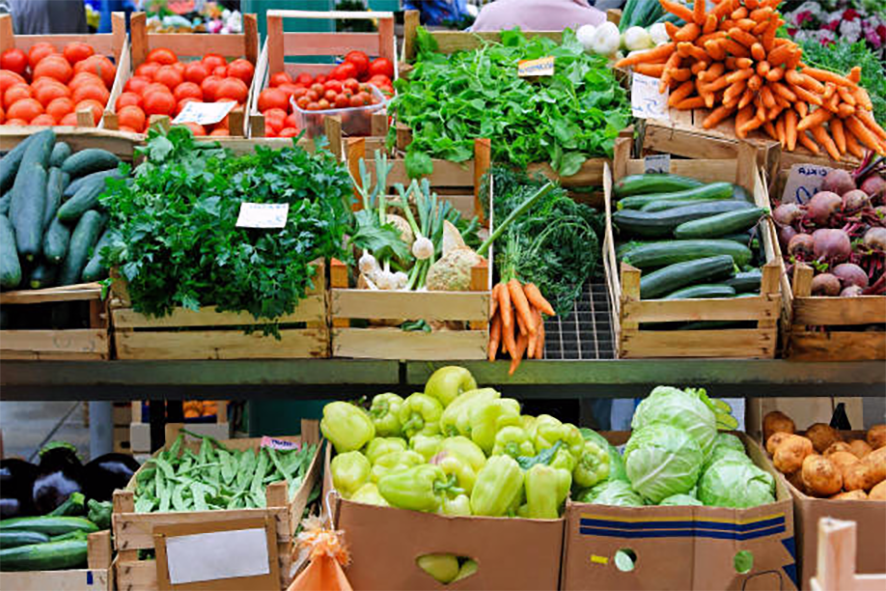 A vegetable market stall.
Welcome to FabulousFusionFood's Vegetable-based Recipes Page — The exact definition of "vegetable" may vary simply because of the many parts of a plant consumed as food worldwide—roots, stems, leaves, flowers, fruits, and seeds. The broadest definition is the word's use adjectivally to mean "matter of plant origin". More specifically, a vegetable may be defined as "any plant, part of which is used for food", a secondary meaning then being "the edible part of such a plant". A more precise definition is "any plant part consumed for food that is not a fruit or seed, but including mature fruits that are eaten as part of a main meal". Falling outside these definitions are edible fungi (such as edible mushrooms) which, although not parts of plants, are often treated as vegetables.
The word vegetable was first recorded in English in the early 15th century. It comes from Old French, and was originally applied to all plants; the word is still used in this sense in biological contexts. It derives from Medieval Latin vegetabilis "growing, flourishing" (i.e. of a plant), a semantic change from a Late Latin meaning "to be enlivening, quickening". The meaning of "vegetable" as a "plant grown for food" was not established until the 18th century. In 1767, the word was specifically used to mean a "plant cultivated for food, an edible herb or root". The year 1955 saw the first use of the shortened, slang term "veggie".
As an adjective, the word vegetable is used in scientific and technical contexts with a different and much broader meaning, namely of "related to plants" in general, edible or not—as in vegetable matter, vegetable kingdom, vegetable origin, etc.
In the definition of "vegetable", which is used in everyday language, the words "fruit" and "vegetable" are mutually exclusive. "Fruit" has a precise botanical meaning, being a part that developed from the ovary of a flowering plant. This is considerably different from the word's culinary meaning. While peaches, plums, and oranges are "fruit" in both senses, many items commonly called "vegetables", such as aubergines, bell peppers, squashes and tomatoes, are botanically fruit.
Vegetables play an important role in human nutrition. Most are low in fat and calories but are bulky and filling. They supply dietary fibre and are important sources of essential vitamins, minerals, and trace elements. Particularly important are the antioxidant vitamins A, C, and E. When vegetables are included in the diet, there is found to be a reduction in the incidence of cancer, stroke, cardiovascular disease, and other chronic ailments. Research has shown that, compared with individuals who eat less than three servings of fruits and vegetables each day, those that eat more than five servings have an approximately twenty percent lower risk of developing coronary heart disease or stroke. The nutritional content of vegetables varies considerably; some contain useful amounts of protein though generally they contain little fat, and varying proportions of vitamins such as vitamin A, vitamin K, and vitamin B6; provitamins; dietary minerals; and carbohydrates.
The consumption of crunchy and hard to chew foods, such as raw vegetables, during youth, while the bones are still growing, is needed for the human's, and other animals', jaws' proper development, and without their consumption, the jaws do not grow to their full size, thus not leaving enough room for the teeth to grow in correctly, causing crooked and impacted teeth.
The recipes presented here are either vegetable-based or have a significant vegetable component.
The alphabetical list of all the Vegetable-based recipes on this site follows, (limited to 100 recipes per page). There are 8002 recipes in total:
Page 26 of 81
| Enchiladas de Espinaca (Spinach Enchiladas) Origin: Mexico | Evening Primrose Root Gobo (Japanese-style Braised Evening Primrose Root) Origin: Britain | Farro Breakfast Pudding Origin: Fusion |
| Endive and Asparagus Gratin Origin: Belgium | Ewedu Origin: Nigeria | Fasolada (Greek Bean Soup) Origin: Greece |
| English Cottage Pie Origin: England | Exeter Stew Origin: England | Fasolia Soliatica (Haricot Beans, Soleas Style) Origin: Cyprus |
| English Muffins Origin: English | Extumer Lamb Roast Origin: Germany | Fasooleyah Khodra bi Zeit (Saudi Green Bean Salad) Origin: Saudi Arabia |
| Enguinar 2 (Stuffed Artichokes) Origin: Armenia | Ezay (Bhutanese Chilli Condiment) Origin: Bhutan | Fassolada (Greek White Bean Soup) Origin: Greece |
| Ensalada de Endibias al Cabrales (Salad of Chicory Leaves and Blue Cheese) Origin: Spain | Ezme (Spicy Turkish Salad) Origin: Turkey | Fassoulia (Green Bean Stew) Origin: Armenia |
| Ensalada de Frutas Tropicales (Tropical Fruit Salad) Origin: Equatorial Guinea | Fänkålssoppa med strimlad lax (Fennel Soup with Smoked Salmon Shreds) Origin: Sweden | Fat Cakes Origin: Botswana |
| Ensalada Palmito (Heart of Palm Salad) Origin: Costa Rica | Fögnè Sourtinaadi (Fonio Couscous with Meatballs in Tomato Sauce) Origin: Guinea | Fat Hen and Potato Gratin Origin: Britain |
| Ensalada Verde (Dominican Green Salad) Origin: Dominican Republic | Fúti (Mixed Fula Dish) Origin: Guinea-Bissau | Fat Hen Cream Sauce with Potatoes Origin: British |
| Enselada de Palmitos de Primavera (Heart of Palm Spring Salad) Origin: Argentina | Fa'apapa (Samoan Coconut Bread) Origin: Samoa | Fat Hen Quiche Origin: Britain |
| Ensopado Amendoim Kizaka (Kizaka Peanut Stew) Origin: Angola | Fa'apapa (Samoan Coconut Bread) Origin: American Samoa | Fatayas Sénégalais (Senegalese Fatayas) Origin: Senegal |
| Entrecote a La Plancha Con Salsa De Aceitunas (Pan-grilled Steaks with Olive Sauce) Origin: Spain | Fabaciae Frictae (Fried Green Beans) Origin: Roman | Faten Doya (Nigerian Yam Pottage) Origin: Nigeria |
| Eog Cothi Pob (Baked Cothi Salmon) Origin: Welsh | Fabaciae Virides (Green Beans) Origin: Roman | Fava Pure e Cicorielle (Mashed Broad Beans with Potatoes and Chicory) Origin: Italy |
| Eog Gyda Saws Corgimychiaid (Salmon with Prawn Sauce) Origin: Welsh | Faenum Graecum (Fenugreek) Origin: Roman | Favourite Crockpot Chili Origin: American |
| Eog wedi ei Bobi gyda Thatws a Teim (Salmon Baked with Potatoes and Thyme) Origin: Welsh | Fafa (Taro Leaves with Coconut Cream) Origin: Tahiti | Feijoada à Angolana (Angolan Feijoada) Origin: Angola |
| Epicurean Sauce Origin: Britain | Faggi Ksidhati (Lentil Soup with Vinegar) Origin: Cyprus | Feijoada de Moçambicana (Mozambican Bean Stew) Origin: Mozambique |
| Epis (Haitian Green Seasoning) Origin: Haiti | Faggioli con le Cotiche (Barlotti Beans with Pork Rinds) Origin: Italy | Fekei Origin: Tuvalu |
| Equatorial Guinea Peanut Sauce Origin: Equatorial Guinea | Faggioli con le Cotiche (Barlotti Beans with Pork Rinds) Origin: San Marino | Fekei Origin: Rotuma |
| Erbowle Origin: England | Fagioli con le Cotiche (Beans with Pork Rind) Origin: San Marino | Fénénésti (Blended Rice Pancakes) Origin: Mayotte |
| Erebinthoi Knakosymmigeis (Chickpeas in Saffron) Origin: Roman | Fah-Fah (Soupe Djiboutienne) Origin: Djibouti | Fénénésti (Blended Rice Pancakes) Origin: Comoros |
| Erebinthoi syn Xeroi Tyroi (Chickpeas with Cheese) Origin: Roman | Fairy Cakes Origin: Britain | Fenkel in Soppes (Fennel in Sauce) Origin: England |
| Eritrean Berbere Spice Origin: Eritrea | Fairy Ring Champignon Omelette Origin: France | Fennel and Almond Soup Origin: North Africa |
| Eru avec Garri (Eru with Garri) Origin: Cameroon | Fakatokelau Origin: Tokelau | Fennel and Walnut Soup Origin: Britain |
| Escudella i Carn D'olla Origin: Andorra | Fakes Soupa (Greek Lentil Soup) Origin: Greece | Fennel Sauce Origin: Britain |
| Esfiha (Savory Stuffed Pastries) Origin: Brazil | Fakoye Achoutoob (Beef, Garden Egg and Jute Mallow Leaf Stew) Origin: Mali | Fermented Mixed Vegetables Origin: America |
| Espagnole Sauce Origin: Britain | Falafel Origin: Bahrain | Fermented Oil Beans Origin: Nigeria |
| Espaguetis Dominicanos (Dominican Republic Spaghetti) Origin: Dominican Republic | Family Spaghetti Sauce Origin: Italy | Féroce d'Avocat (Migan de fruit à pain) Origin: Martinique |
| Esparregados de Bacalhau (Cod Esparregados) Origin: Angola | Fanesca ecuatoriana (Ecuadorian Easter soup) Origin: Ecuador | Feta Cheese Puffs Origin: Britain |
| Espeto de Frango com Abacaxi (Chicken and Pineapple Kebabs) Origin: Brazil | Fanouropita (Greek Spiced Sultana Cake) Origin: Greece | Feta Falafel Burger Origin: Fusion |
| Espinazo en salsa verde con verdolagas (Pork Neck in Tomatillo Sauce with Purslane) Origin: Mexico | Far breton aux pruneaux (Breton Far with Prunes) Origin: France | Feta Tacos with Guacamole Origin: Britain |
| Estofado (Chilean Beef Stew) Origin: Chile | Fårikål (Lamb and cabbage stew) Origin: Norway | Fettat Adis Origin: Sudan |
| Eté Fufu (Pounded Yam Fufu) Origin: Togo | Farine and Pear Origin: Saint Lucia | Fettucine Alfredo Origin: Italy |
| Ethiopian Berbere Sauce Origin: Ethiopia | Farine Breakfast Porridge Origin: Guyana | |
| Etli Kapuska (Turkish Cabbage Stew With Meat) Origin: Turkey | Farngo da Terra a Blanta com Baguitchi (Village Chicken with Hibiscus Leaves) Origin: Guinea-Bissau |
Page 26 of 81