FabulousFusionFood's Vegetable-based Recipes 19th Page
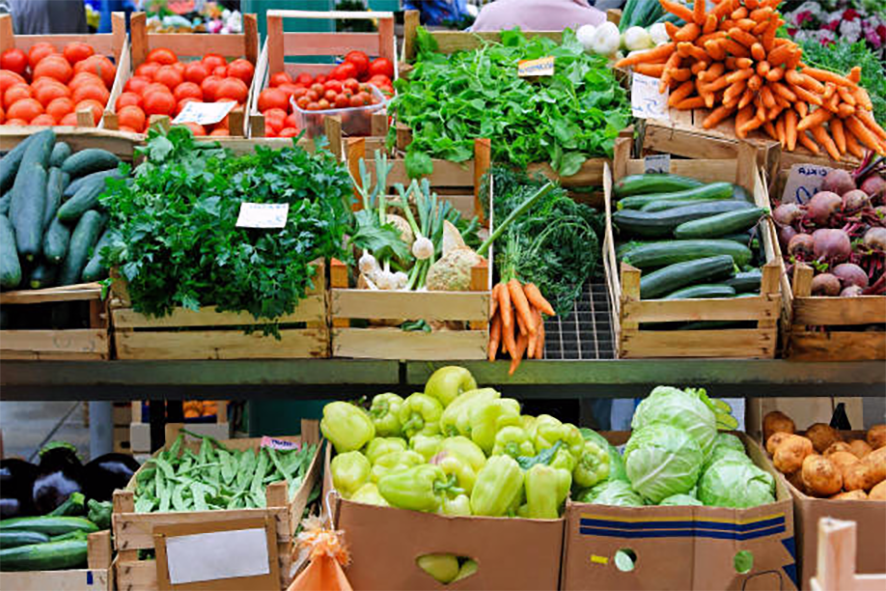 A vegetable market stall.
Welcome to FabulousFusionFood's Vegetable-based Recipes Page — The exact definition of "vegetable" may vary simply because of the many parts of a plant consumed as food worldwide—roots, stems, leaves, flowers, fruits, and seeds. The broadest definition is the word's use adjectivally to mean "matter of plant origin". More specifically, a vegetable may be defined as "any plant, part of which is used for food", a secondary meaning then being "the edible part of such a plant". A more precise definition is "any plant part consumed for food that is not a fruit or seed, but including mature fruits that are eaten as part of a main meal". Falling outside these definitions are edible fungi (such as edible mushrooms) which, although not parts of plants, are often treated as vegetables.
The word vegetable was first recorded in English in the early 15th century. It comes from Old French, and was originally applied to all plants; the word is still used in this sense in biological contexts. It derives from Medieval Latin vegetabilis "growing, flourishing" (i.e. of a plant), a semantic change from a Late Latin meaning "to be enlivening, quickening". The meaning of "vegetable" as a "plant grown for food" was not established until the 18th century. In 1767, the word was specifically used to mean a "plant cultivated for food, an edible herb or root". The year 1955 saw the first use of the shortened, slang term "veggie".
As an adjective, the word vegetable is used in scientific and technical contexts with a different and much broader meaning, namely of "related to plants" in general, edible or not—as in vegetable matter, vegetable kingdom, vegetable origin, etc.
In the definition of "vegetable", which is used in everyday language, the words "fruit" and "vegetable" are mutually exclusive. "Fruit" has a precise botanical meaning, being a part that developed from the ovary of a flowering plant. This is considerably different from the word's culinary meaning. While peaches, plums, and oranges are "fruit" in both senses, many items commonly called "vegetables", such as aubergines, bell peppers, squashes and tomatoes, are botanically fruit.
Vegetables play an important role in human nutrition. Most are low in fat and calories but are bulky and filling. They supply dietary fibre and are important sources of essential vitamins, minerals, and trace elements. Particularly important are the antioxidant vitamins A, C, and E. When vegetables are included in the diet, there is found to be a reduction in the incidence of cancer, stroke, cardiovascular disease, and other chronic ailments. Research has shown that, compared with individuals who eat less than three servings of fruits and vegetables each day, those that eat more than five servings have an approximately twenty percent lower risk of developing coronary heart disease or stroke. The nutritional content of vegetables varies considerably; some contain useful amounts of protein though generally they contain little fat, and varying proportions of vitamins such as vitamin A, vitamin K, and vitamin B6; provitamins; dietary minerals; and carbohydrates.
The consumption of crunchy and hard to chew foods, such as raw vegetables, during youth, while the bones are still growing, is needed for the human's, and other animals', jaws' proper development, and without their consumption, the jaws do not grow to their full size, thus not leaving enough room for the teeth to grow in correctly, causing crooked and impacted teeth.
The recipes presented here are either vegetable-based or have a significant vegetable component.
The alphabetical list of all the Vegetable-based recipes on this site follows, (limited to 100 recipes per page). There are 8002 recipes in total:
Page 19 of 81
| Coconut and Maraschino Cherry Cake Origin: Britain | Coeur Coulant Chocolat Fruits Rouges (Chocolate Pudding with Flowing Berry Hearts) Origin: France | Compota de Uvas con Crujiente de Boniato (Grape Compote with Crispy Sweet Potato) Origin: Spain |
| Coconut Bean Rice Origin: Nigeria | Coffee Custard Cups Origin: American | Compote de Rhubarbe Sauvage (Wild Rhubarb Compote) Origin: Switzerland |
| Coconut Caramel Fudge with Wild Flour Origin: Britain | Colcannon Origin: Ireland | Conch and Dumplings Origin: Sint-Maarten |
| Coconut Chickpea Curry with Spinach Origin: Britain | Colcannon Croquettes Origin: Ireland | Conch Fritters Origin: British Virgin Islands |
| Coconut Chickpea Dumpling Curry Origin: Britain | Colcannon II Origin: Ireland | Conch Fritters Origin: US Virgin Islands |
| Coconut Chutney Origin: India | Colcannon Soup Origin: Ireland | Conchiclam de Pisa Simplici (A Dish of Plain Peas) Origin: Roman |
| Coconut Collard Greens Origin: Puerto Rico | Cold Bruet (Cold Brewet) Origin: England | Concombre cuit à l'indienne (Indian-style Cooked Cucumber) Origin: France |
| Coconut Curry Origin: Seychelles | Cold Pressed Ox Tongue Origin: South Africa | Coney Island Hot Dogs Origin: American |
| Coconut Curry Prawns With Plantains Origin: Antigua | Coliflor Salteado (Sautéed Cauliflower with Garlic) Origin: Spain | Confit d'Algue (Confit of Seaweed) Origin: France |
| Coconut Ice Origin: Britain | Collard Greens Origin: American | Confit of Duck Tostadas Origin: Fusion |
| Coconut Ice Cream Origin: Philippines | Collard Greens with Coconut Milk Origin: East Africa | Confiture de Ananas (Pineapple Jam) Origin: Martinique |
| Coconut Latiya Origin: Guam | Collard Greens with Ham Hocks Origin: American | Confiture de Ananas (Pineapple Jam) Origin: Saint Barthelemy |
| Coconut Pineapple Muffins (Coconut Pineapple Muffins) Origin: Britain | Collards and Cabbage Origin: Liberia | Confiture de Banane (Banana Jam) Origin: Martinique |
| Coconut Pitha Origin: Anglo-Indian | Collumella's Moretum Origin: Roman | Confiture de figues violettes vanille (Fig and Vanilla Jam) Origin: Mayotte |
| Coconut Rice Origin: Cocos Islands | Colocassi Tsakristo (Taro and Pork Stew) Origin: Cyprus | Confiture de Madd (Madd Preserve) Origin: Senegal |
| Coconut Rice Origin: Christmas Island | Colokassi Mesatrico (Colocassi, Mesoorias Style) Origin: Cyprus | Confiture de Poivrons (Confit of Peppers) Origin: Monaco |
| Coconut Tapioca Pudding Origin: Tuvalu | Colombo Curry Paste Origin: Martinique | Confiture de Potiron au Gingembre (Pumpkin and Ginger Preserve) Origin: Senegal |
| Coconut Tart Origin: US Virgin Islands | Colombo de Porc (Pork Colombo) Origin: Martinique | Confiture de Rhubarbe Sauvage (Alpine Dock Jam) Origin: Switzerland |
| Coconut Tart Origin: Bonaire | Colombo de Porc (Pork Colombo Curry) Origin: Sint Maarten | Confiture de Tamarin (Tamarind Jam) Origin: Senegal |
| Coconut, Banana and Chocolate Mini Muffins (Coconut, Banana and Chocolate Mini Muffins) Origin: Britain | Colombo de Porc (Pork Colombo Curry) Origin: Saint-Martin | Congee with Fish Fillet Origin: China |
| Coconut, Cassava and Papaya Pudding Origin: Federated States Micronesia | Colonial Goose Origin: Ireland | Congre à la bretonne (Breton-style Conger Eel) Origin: France |
| Coconut, Red Beans and Rice Origin: Anguilla | Colonial Goose II Origin: New Zealand | Congrejo al Coco (Coconut Crab) Origin: Ecuador |
| Coconut-suit (Coconut Candy) Origin: Equatorial Guinea | Colourful Vegetarian Kebabs Origin: Britain | Congress Tarts Origin: England |
| Cocos Islands Acar Origin: Cocos Islands | Coltsfoot Greens Origin: British | Conkies Origin: Bahamas |
| Cocos Penclawdd gyda Pasta Penne a Saws Gwin gyda Garlleg Gwyllt a Bara Lawr (Penclawdd Cockles with Penne Pasta and a Wild Garlic and Laverbread Wine Sauce) Origin: Welsh | Comfiture de Noix de Coco (Coconut Preserve) Origin: Senegal | Consommé Origin: France |
| Cocoyam Eto Origin: Ghana | Comfrey Aloo Origin: Fusion | Consommé Origin: Britain |
| Cocoyam Fufu Origin: Ghana | Comlek (Rabbit Casserole) Origin: Albania | Consommé Origin: British |
| Cod and Cockles Origin: Ireland | Common Hogweed à la Polonaise Origin: Britain | Consommé de Poulet (Chicken Consommé) Origin: France |
| Cod and Vegetables en Papillote Origin: Britain | Common Hogweed Floret Gratin Origin: Britain | Contrichop Origin: Equatorial Guinea |
| Cod Pie I Origin: British | Common Hogweed Flower Bud Tempura Origin: Britain | Conynges in Cynee (Rabbits in Blood and Vinegar Broth with Onion) Origin: England |
| Cod-fish Balls Origin: Dominica | Common Mallow in Garlic, Lemon and Herbs Origin: British | Cook Islands Mango Chutney Origin: Cook Islands |
| Coda di rospo al forno con patate (Baked Monkfish with Potatoes) Origin: Italy | Common Purslane Chimichurri Origin: Britain | Cooked Rice Dosa Origin: India |
| Coda di rospo con Barba di Frate (Monkfish with Monk's Beard Greens) Origin: Vatican City | Completos (Chilean Hot Dogs) Origin: Chile | |
| Coes Cig Dafad wedi Rhostio gyda Llysiau, Mêl Grug a Phrŵns (Roast Leg of Mutton with Heather Honey and Prunes) Origin: Welsh | Compost Origin: England |
Page 19 of 81