FabulousFusionFood's Vegetable-based Recipes 13th Page
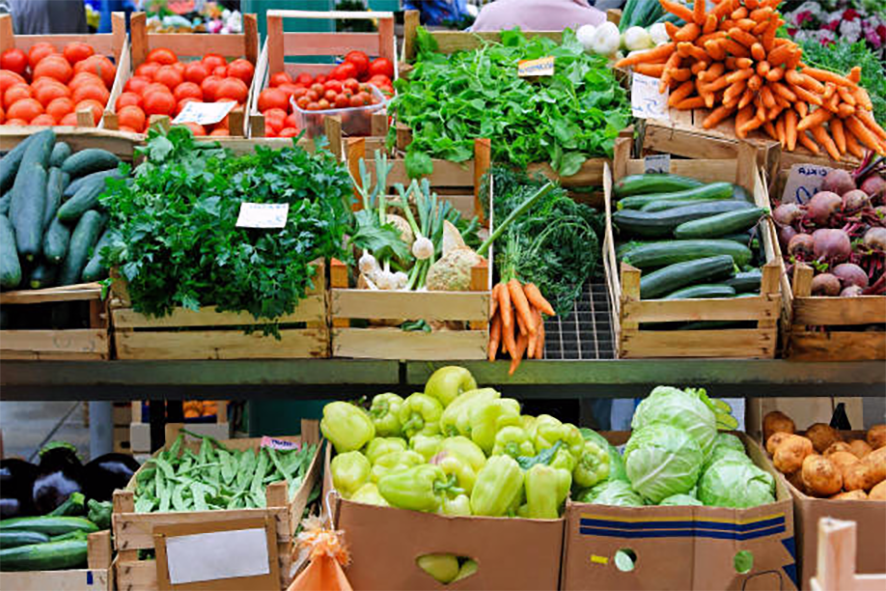 A vegetable market stall.
Welcome to FabulousFusionFood's Vegetable-based Recipes Page — The exact definition of "vegetable" may vary simply because of the many parts of a plant consumed as food worldwide—roots, stems, leaves, flowers, fruits, and seeds. The broadest definition is the word's use adjectivally to mean "matter of plant origin". More specifically, a vegetable may be defined as "any plant, part of which is used for food", a secondary meaning then being "the edible part of such a plant". A more precise definition is "any plant part consumed for food that is not a fruit or seed, but including mature fruits that are eaten as part of a main meal". Falling outside these definitions are edible fungi (such as edible mushrooms) which, although not parts of plants, are often treated as vegetables.
The word vegetable was first recorded in English in the early 15th century. It comes from Old French, and was originally applied to all plants; the word is still used in this sense in biological contexts. It derives from Medieval Latin vegetabilis "growing, flourishing" (i.e. of a plant), a semantic change from a Late Latin meaning "to be enlivening, quickening". The meaning of "vegetable" as a "plant grown for food" was not established until the 18th century. In 1767, the word was specifically used to mean a "plant cultivated for food, an edible herb or root". The year 1955 saw the first use of the shortened, slang term "veggie".
As an adjective, the word vegetable is used in scientific and technical contexts with a different and much broader meaning, namely of "related to plants" in general, edible or not—as in vegetable matter, vegetable kingdom, vegetable origin, etc.
In the definition of "vegetable", which is used in everyday language, the words "fruit" and "vegetable" are mutually exclusive. "Fruit" has a precise botanical meaning, being a part that developed from the ovary of a flowering plant. This is considerably different from the word's culinary meaning. While peaches, plums, and oranges are "fruit" in both senses, many items commonly called "vegetables", such as aubergines, bell peppers, squashes and tomatoes, are botanically fruit.
Vegetables play an important role in human nutrition. Most are low in fat and calories but are bulky and filling. They supply dietary fibre and are important sources of essential vitamins, minerals, and trace elements. Particularly important are the antioxidant vitamins A, C, and E. When vegetables are included in the diet, there is found to be a reduction in the incidence of cancer, stroke, cardiovascular disease, and other chronic ailments. Research has shown that, compared with individuals who eat less than three servings of fruits and vegetables each day, those that eat more than five servings have an approximately twenty percent lower risk of developing coronary heart disease or stroke. The nutritional content of vegetables varies considerably; some contain useful amounts of protein though generally they contain little fat, and varying proportions of vitamins such as vitamin A, vitamin K, and vitamin B6; provitamins; dietary minerals; and carbohydrates.
The consumption of crunchy and hard to chew foods, such as raw vegetables, during youth, while the bones are still growing, is needed for the human's, and other animals', jaws' proper development, and without their consumption, the jaws do not grow to their full size, thus not leaving enough room for the teeth to grow in correctly, causing crooked and impacted teeth.
The recipes presented here are either vegetable-based or have a significant vegetable component.
The alphabetical list of all the Vegetable-based recipes on this site follows, (limited to 100 recipes per page). There are 8002 recipes in total:
Page 13 of 81
| Caldeirada de Lulas a Madeirense (Madeira Squid Stew) Origin: Portugal | Camarão na Abóbora (Prawns in Pumpkin Shells) Origin: Mozambique | Cantonese-style Curry Chicken Origin: China |
| Caldo Branco (White Stew) Origin: Guinea-Bissau | Camarones Guisados (Stewed Prawns) Origin: Puerto Rico | Cantuccini Biscotti (Cantuccini Biscuits) Origin: Italy |
| Caldo de Arroz de Cebada (Beef and Pearl Barley Soup) Origin: Ecuador | Camarones Salteados (Sautéed Prawns) Origin: Ecuador | Cape Gooseberry Jam Origin: African Fusion |
| Caldo de Bagre (Catfish Soup) Origin: Ecuador | Cambaabur Origin: Djibouti | Cape Malay Dry Red Masala Origin: South Africa |
| Caldo de Bicuda (Barracuda Stew) Origin: Guinea-Bissau | Cambaabur Origin: Somalia | Cape Malay Egg Curry Origin: South Africa |
| Caldo de Camarâo de Cabo Verde (Cape Verdean Prawn Stew) Origin: Cape Verde | Camel Aussie Burger Origin: Australia | Cape Malay Egg Curry Origin: South Africa |
| Caldo de Camaron (Prawn Soup) Origin: Mexico | Camel Braise with Grilled Date Glace Origin: Fusion | Cape Malay Leaf Masala Origin: South Africa |
| Caldo de Chabéu (Palm Nut Stew) Origin: Guinea-Bissau | Camel Chubbagin Origin: Mauritania | Cape Malay Mutton Curry Origin: South Africa |
| Caldo de Citi (Red Palm oil Stew) Origin: Guinea-Bissau | Camel Haunch Steaks with Chips Origin: Britain | Cape Malay Pickled Fish Origin: South Africa |
| Caldo de Mancarra (Chicken in Peanut Sauce) Origin: Guinea-Bissau | Cameroon Lamb Curry Origin: Cameroon | Cape Malay Red Leaf Masala Origin: South Africa |
| Caldo de Mondongo (Tripe Soup) Origin: Ecuador | Cameroonian All-purpose Green Spice Marinade Origin: Cameroon | Cape Malay Red Masala Origin: South Africa |
| Caldo de Papas y Cilantro (Potato and Coriander Soup) Origin: Spain | Cameroonian Jellof Rice Origin: Cameroon | Cape Malay Seafood Curry Origin: South Africa |
| Caldo de Peixe (Cape Verdean Fish Soup) Origin: Cape Verde | Cameroonian Jollof Rice Origin: Cameroon | Cape Malay Spicy Lamb Chops Origin: South Africa |
| Caldo de Peixe de Guiné-Bissau (Guinea-Bissau Style Fish Stew) Origin: Guinea-Bissau | Canard au cidre (Duck with Cider) Origin: France | Cape Pigeons in Coconut Milk Origin: Zambia |
| Caldo de Pescado (Aruban Fish Soup) Origin: Aruba | Canard au curry (Curried Duck) Origin: DR-Congo | Cape Verdean Cocoda (Coconut Custard Cake) Origin: Cape Verde |
| Caldo Verde (Green Soup) Origin: Portugal | Canarian Ropa Vieja Origin: Spain | Capered New Potatoes Origin: Ireland |
| Caldou au Bissap (Flatfish with Hibiscus Flowers) Origin: Senegal | Canarian-style New Potatoes with Mojo Sauce Origin: Spain | Caponata Origin: Italy |
| Calentita Origin: Gibraltar | Candied Angelica Origin: Britain | Caponata alla Siciliana (Sicilian Aubergine Salad) Origin: Italy |
| California Citrus Cupcakes Origin: American | Candied Catkins, Catkin Flour and Catkin Syrup Origin: Britain | Caprese Bites Origin: American |
| Californian Stir Fry Origin: American | Candied Elcampane Origin: Britain | Caprese Salad with Edible Flowers Origin: American |
| Callaloo Origin: Trinidad | Candied Papaya Origin: Jamaica | Capretto al Forno (Oven-roasted Kid Goat) Origin: Italy |
| Callaloo Maisileivamuffinid (Callaloo Cornbread Muffins) Origin: Dominica | Candied Sweet Potatoes Origin: Jamaica | Cara cu Vin (Meat Cooked in Wine) Origin: Serbia |
| Callaloo Soup Origin: Saint Lucia | Candied Tigernuts Origin: Fusion | Caramel Roasted Pears Origin: Australia |
| Callaloo Soup Origin: Sint Maarten | Cane Rat Pepper Soup Origin: Ghana | Caramelized Walnuts Origin: Britain |
| Callaloo Soup Origin: British Virgin Islands | Canejo Asado (Roast Rabbit) Origin: Colombia | Carapachos Rellenos (Stuffed Crab Shells) Origin: Ecuador |
| Callaloo Soup Origin: US Virgin Islands | Canella Biscuits Origin: Britain | Carapaus Fritos (Portuguese Fried Mackerel) Origin: Portugal |
| Callaloo Soup Origin: Saint-Martin | Canella Horchata Origin: Cuba | Caraway Seed Cake Origin: Britain |
| Callaloo, Tomato and Chickpea Curry Origin: Cayman Islands | Canh Chua Gà (Chicken Sour Soup) Origin: Vietnam | Carboanda Criolla (Argentine Vegetable Beef Stew) Origin: Argentina |
| Calulu Origin: Sao Tome | Canja Origin: Cape Verde | Carciofi alla Giudia (Roman-Jewish Fried Artichokes) Origin: Italy |
| Calulu Carne Seca (Dried Meat Calulu) Origin: Angola | Canja de Angola (Angolan Canja) Origin: Angola | Carciofi alla Giudia (Roman-Jewish Fried Artichokes) Origin: Vatican City |
| Calulu de Cabara (Goat Meat Calulu) Origin: Angola | Canja de Gahlinha (Cape Verdean Chicken Stew) Origin: Cape Verde | Cardamom, Coconut and Lime Rice Pudding Origin: Fusion |
| Calulu de Peixe (Fish Calulu) Origin: Angola | Canjica II Origin: Brazil | Cardo con Verdolaga (Pork with Purslane) Origin: Mexico |
| Calzone Origin: Italy | Cantonese Garden Vegetable Stir-fry Origin: China | |
| Camarâes à Guineense (Guinean Prawns) Origin: Guinea-Bissau | Cantonese Pork Origin: China |
Page 13 of 81