FabulousFusionFood's Vegetable-based Recipes 14th Page
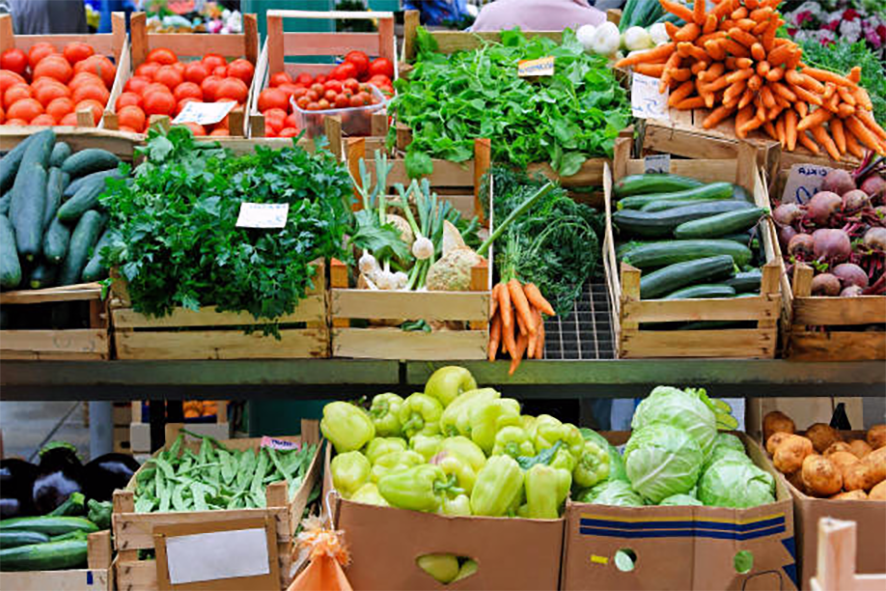 A vegetable market stall.
Welcome to FabulousFusionFood's Vegetable-based Recipes Page — The exact definition of "vegetable" may vary simply because of the many parts of a plant consumed as food worldwide—roots, stems, leaves, flowers, fruits, and seeds. The broadest definition is the word's use adjectivally to mean "matter of plant origin". More specifically, a vegetable may be defined as "any plant, part of which is used for food", a secondary meaning then being "the edible part of such a plant". A more precise definition is "any plant part consumed for food that is not a fruit or seed, but including mature fruits that are eaten as part of a main meal". Falling outside these definitions are edible fungi (such as edible mushrooms) which, although not parts of plants, are often treated as vegetables.
The word vegetable was first recorded in English in the early 15th century. It comes from Old French, and was originally applied to all plants; the word is still used in this sense in biological contexts. It derives from Medieval Latin vegetabilis "growing, flourishing" (i.e. of a plant), a semantic change from a Late Latin meaning "to be enlivening, quickening". The meaning of "vegetable" as a "plant grown for food" was not established until the 18th century. In 1767, the word was specifically used to mean a "plant cultivated for food, an edible herb or root". The year 1955 saw the first use of the shortened, slang term "veggie".
As an adjective, the word vegetable is used in scientific and technical contexts with a different and much broader meaning, namely of "related to plants" in general, edible or not—as in vegetable matter, vegetable kingdom, vegetable origin, etc.
In the definition of "vegetable", which is used in everyday language, the words "fruit" and "vegetable" are mutually exclusive. "Fruit" has a precise botanical meaning, being a part that developed from the ovary of a flowering plant. This is considerably different from the word's culinary meaning. While peaches, plums, and oranges are "fruit" in both senses, many items commonly called "vegetables", such as aubergines, bell peppers, squashes and tomatoes, are botanically fruit.
Vegetables play an important role in human nutrition. Most are low in fat and calories but are bulky and filling. They supply dietary fibre and are important sources of essential vitamins, minerals, and trace elements. Particularly important are the antioxidant vitamins A, C, and E. When vegetables are included in the diet, there is found to be a reduction in the incidence of cancer, stroke, cardiovascular disease, and other chronic ailments. Research has shown that, compared with individuals who eat less than three servings of fruits and vegetables each day, those that eat more than five servings have an approximately twenty percent lower risk of developing coronary heart disease or stroke. The nutritional content of vegetables varies considerably; some contain useful amounts of protein though generally they contain little fat, and varying proportions of vitamins such as vitamin A, vitamin K, and vitamin B6; provitamins; dietary minerals; and carbohydrates.
The consumption of crunchy and hard to chew foods, such as raw vegetables, during youth, while the bones are still growing, is needed for the human's, and other animals', jaws' proper development, and without their consumption, the jaws do not grow to their full size, thus not leaving enough room for the teeth to grow in correctly, causing crooked and impacted teeth.
The recipes presented here are either vegetable-based or have a significant vegetable component.
The alphabetical list of all the Vegetable-based recipes on this site follows, (limited to 100 recipes per page). There are 8002 recipes in total:
Page 14 of 81
| Carduos (Artichokes with Egg) Origin: Roman | Carne de Porco à Alentejana (Pork in the style of Alentejo) Origin: Portugal | Carrot Cake with Mango Origin: American |
| Cari Boeuf aux Carottes (Beef and Carrot Curry) Origin: Reunion | Carne Desmechada Origin: Colombia | Carrot Halwa Origin: Fusion |
| Cari de Cerf (Venison Curry) Origin: Reunion | Carne en Polvo (Powdered Beef) Origin: Colombia | Carrot Jam Origin: British |
| Cari de Porc (Pork Curry) Origin: Reunion | Carne en Polvo (Powdered Beef) Origin: Dominican Republic | Carrot Muffins Origin: Britain |
| Cari de Thon (Tuna Curry) Origin: Reunion | Carne Gisada con Plantanos (Beef and Plantains) Origin: Cuba | Carrot Pudding Origin: Britain |
| Cari Langoustes (Lobster Curry) Origin: Reunion | Carne Gizado (Stewed Meat and Vegetables) Origin: Cape Verde | Carrot Rice Origin: India |
| Cari Massale de Cabri (Goat Curry) Origin: Reunion | Carne Guisada (Puerto Rican Stewed Beef) Origin: Puerto Rico | Carrot Salad Origin: Britain |
| Cari Mouton (Mutton Curry) Origin: Saint Pierre | Carne Guisada (Panamanian Beef Stew) Origin: Panama | Carrot Sambharo (Gujarati Carrot Salad) Origin: India |
| Cari Ourite (Octopus Curry) Origin: Mauritius | Carne Mechada Origin: Venezuela | Carrot Soup I Origin: British |
| Cari Poisson (Fish Curry) Origin: Reunion | Carne Mechada (Venezuelan Shredded Beef) Origin: Venezuela | Carrot Soup II Origin: British |
| Cari Poisson (Fish Curry) Origin: Mauritius | Carne na Cerveja (Beef in Beer) Origin: Brazil | Carrot, Orange and Cumin Dip Origin: Fusion |
| Cari Pom'Terre Boucané (Smoked Pork and Potato Curry) Origin: Reunion | Carne Recheada com Farofa (Meat Stuffed with Farofa) Origin: Brazil | Carrots and Green Beans Soup Origin: South Africa |
| Cari Poulet Rougaile Tomate (Chicken Curry with Tomato) Origin: Reunion | Carne Seca com Abóbora (Dried Beef with Pumpkin Purée) Origin: Brazil | Casamiento (Salvadorean Beans and Rice) Origin: El Salvador |
| Caribbean Cook-up Origin: Jamaica | Carnes Vaccinae (Byzantine Beef Stew) Origin: Roman | Cassava and Banana Cake Origin: Fiji |
| Caribbean Creole Sauce Origin: US Virgin Islands | Carob Apple Cake Origin: Britain | Cassava Bread Origin: Sierra Leone |
| Caribbean Rice and Beans Origin: British Virgin Islands | Caroetae frictae (Fried Carrots) Origin: Roman | Cassava Leaf Soup Origin: Liberia |
| Caribbean Rice and Beans Origin: US Virgin Islands | Carotae et pastinacae (Fried Carrots with Peppered Wine Sauce) Origin: Roman | Cassava Leaf Stew Origin: Sierra Leone |
| Caribbean-style Chicken Curry Origin: Fusion | Carpaccio of Springbok Origin: Botswana | Cassava Life Origin: Sierra Leone |
| Caribbean-style Fish Kebabs Origin: Fusion | Carrageen Moss Pudding Origin: Ireland | Cassava Pone Origin: Guyana |
| Caril de Amendoim de Frango (Peanut and Chicken Stew) Origin: Mozambique | Carrageen Pudding Origin: Ireland | Casserol Ceredigion (Cardiganshire Casserole) Origin: Welsh |
| Caril de Camarão (Prawn Curry) Origin: Mozambique | Carragheen Soup Origin: Ireland | Casseroled Potatoes Origin: Britain |
| Caril de Caranguejo (Crab Curry) Origin: Mozambique | Carri Masala Poule Mauricien (Mauritian Chicken Curry) Origin: Mauritius | Cassoulet à Moda Brasileira (Brazilian-style Cassoulet) Origin: Brazil |
| Caril de Grão-de-bico (Chickpea Curry) Origin: Portugal | Carri Tripes Gros Pois (Butter Bean and Tripe Curry) Origin: Mauritius | Cassoulet Mauricien (Mauritian Cassoulet) Origin: Mauritius |
| Caril de Marisco (Seafood Curry) Origin: Mozambique | Carrot and Caraway Cake Origin: Britain | Catalan Spinach Salad Origin: Andorra |
| Carlin Pea and Chanterelle Ragout Origin: Britain | Carrot and Coriander Soup Origin: Fusion | Catikalangu Origin: Mozambique |
| Carlin Pea and Glazed Halloumi Saag Origin: Britain | Carrot and Mielie Meal Bread Origin: Zimbabwe | Catillus Ornatus (Seasoned Fritters) Origin: Roman |
| Carlin Pea Curry with Perpetual Spinach and Peanut Butter Origin: Britain | Carrot and Orange Soup Origin: Britain | Catkin Crumb Coating Origin: Britain |
| Carlin Pea Hummus Origin: Britain | Carrot and Orange Soup with Ginger Origin: British | Catkin Spicy Avocado Bites Origin: Britain |
| Carlin Pea Masala Origin: Britain | Carrot and Potato Cake Origin: Scotland | Cattail Hearts with Wild Oyster Mushrooms Origin: America |
| Carlin Pea Ragu Origin: Britain | Carrot and Water Mint Soup Origin: Britain | Catwad Ffa Dringo (Runner Bean Chutney) Origin: Welsh |
| Carlin pea, kale and chorizo one pot Origin: Britain | Carrot Cake Origin: Britain | Catwad Pwmpen (Marrow Chutney) Origin: Welsh |
| Carlin Pea, Pearl Barley and Tomato Stew Origin: Britain | Carrot Cake Oat Bars Origin: Britain | Catwad Tomatos Gwyrdd (Green Tomato Chutney) Origin: Welsh |
| Carlin Pease Pudding Origin: Britain | Carrot cake pancakes Origin: Britain | |
| Carne de Cebra Grealhado (Barbecued Goat Meat) Origin: Guinea-Bissau | Carrot Cake Pancakes II Origin: Britain |
Page 14 of 81