FabulousFusionFood's Vegetable-based Recipes 20th Page
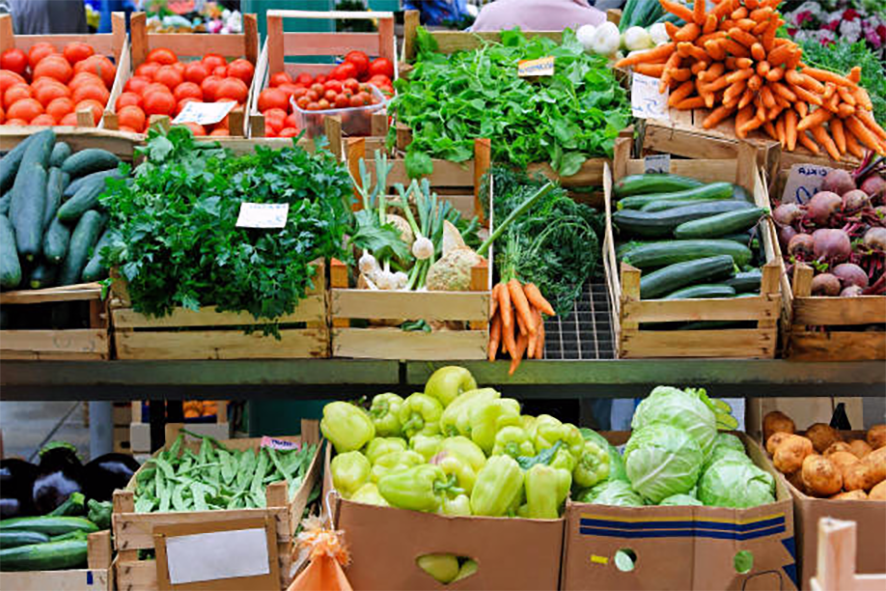
A vegetable market stall. A vegetable market stall.
Welcome to FabulousFusionFood's Vegetable-based Recipes Page — The exact definition of "vegetable" may vary simply because of the many parts of a plant consumed as food worldwide—roots, stems, leaves, flowers, fruits, and seeds. The broadest definition is the word's use adjectivally to mean "matter of plant origin". More specifically, a vegetable may be defined as "any plant, part of which is used for food", a secondary meaning then being "the edible part of such a plant". A more precise definition is "any plant part consumed for food that is not a fruit or seed, but including mature fruits that are eaten as part of a main meal". Falling outside these definitions are edible fungi (such as edible mushrooms) which, although not parts of plants, are often treated as vegetables.


The word vegetable was first recorded in English in the early 15th century. It comes from Old French, and was originally applied to all plants; the word is still used in this sense in biological contexts. It derives from Medieval Latin vegetabilis "growing, flourishing" (i.e. of a plant), a semantic change from a Late Latin meaning "to be enlivening, quickening". The meaning of "vegetable" as a "plant grown for food" was not established until the 18th century. In 1767, the word was specifically used to mean a "plant cultivated for food, an edible herb or root". The year 1955 saw the first use of the shortened, slang term "veggie".

As an adjective, the word vegetable is used in scientific and technical contexts with a different and much broader meaning, namely of "related to plants" in general, edible or not—as in vegetable matter, vegetable kingdom, vegetable origin, etc.

In the definition of "vegetable", which is used in everyday language, the words "fruit" and "vegetable" are mutually exclusive. "Fruit" has a precise botanical meaning, being a part that developed from the ovary of a flowering plant. This is considerably different from the word's culinary meaning. While peaches, plums, and oranges are "fruit" in both senses, many items commonly called "vegetables", such as aubergines, bell peppers, squashes and tomatoes, are botanically fruit.

Vegetables play an important role in human nutrition. Most are low in fat and calories but are bulky and filling. They supply dietary fibre and are important sources of essential vitamins, minerals, and trace elements. Particularly important are the antioxidant vitamins A, C, and E. When vegetables are included in the diet, there is found to be a reduction in the incidence of cancer, stroke, cardiovascular disease, and other chronic ailments. Research has shown that, compared with individuals who eat less than three servings of fruits and vegetables each day, those that eat more than five servings have an approximately twenty percent lower risk of developing coronary heart disease or stroke. The nutritional content of vegetables varies considerably; some contain useful amounts of protein though generally they contain little fat, and varying proportions of vitamins such as vitamin A, vitamin K, and vitamin B6; provitamins; dietary minerals; and carbohydrates.

The consumption of crunchy and hard to chew foods, such as raw vegetables, during youth, while the bones are still growing, is needed for the human's, and other animals', jaws' proper development, and without their consumption, the jaws do not grow to their full size, thus not leaving enough room for the teeth to grow in correctly, causing crooked and impacted teeth.

The recipes presented here are either vegetable-based or have a significant vegetable component.


The alphabetical list of all the Vegetable-based recipes on this site follows, (limited to 100 recipes per page). There are 6485 recipes in total:

Page 20 of 65


Dopiazeh
     Origin: Iran
Dublin Coddle
     Origin: Ireland
Duxelle
     Origin: France
Dorade Braisé
(Braised Sea Bream)
     Origin: Togo
Dublin Coddle
     Origin: Ireland
Dwmplinau Caws
(Cheese Dumplings)
     Origin: Welsh
Doraji Namul
(Stir-fried Creeping Bellflower Root)
     Origin: Korea
Ducana
     Origin: Antigua
Early Spring Salad
     Origin: British
Doro Wot
(Red Chicken Stew)
     Origin: Ethiopia
Ducana
     Origin: Saint Vincent
East African Prawn Curry
     Origin: East Africa
Doro Zigini
(Zesty Chicken Stew)
     Origin: Eritrea
Duck and Cabbage Soup
     Origin: China
East African Shrimp Curry
     Origin: East Africa
Dosa
(Rice and Lentil Crêpes)
     Origin: India
Duck and Green Pea Curry
     Origin: India
East African Vegetable Soup
     Origin: East Africa
Dou-louf en Daube
(Cow's Feet Stew)
     Origin: Chad
Duck Curry with Aubergine and Bamboo
     Origin: Vietnam
Easter Biscuits III
     Origin: British
Doubanjiang
(Chilli Bean Sauce)
     Origin: Taiwan
Duckna
     Origin: Montserrat
Easter Cake Pops
     Origin: Britain
Doubanjiang
(Sichuan Chilli Bean Sauce)
     Origin: China
Ducuna
     Origin: Anguilla
Easter Carrot Cake
     Origin: Britain
Double Bean and Roasted Pepper Chili
     Origin: Britain
Dukkous
(Kuwaiti Tomato Sauce)
     Origin: Kuwait
Easter Carrot Cake Cupcakes
     Origin: British
Double Chocolate Cheesecake Muffins
(Double Chocolate Cheesecake Muffins)
     Origin: New Zealand
Dukkous
(Saudi Tomato Sauce)
     Origin: Saudi Arabia
Easter Chocolate Cupcakes
     Origin: Britain
Double ka Meetha
     Origin: India
Dulce de Papaya
(Sweet Papaya Dessert)
     Origin: Cape Verde
Easter Egg Biscuits
     Origin: Britain
Doubles
     Origin: Trinidad
Dulce de Tres Leches
(Cream of Three Milks)
     Origin: Peru
Easter Ledge Pudding
     Origin: Britain
Dounguouri Soko
(Meat Stew with White Beans)
     Origin: Niger
Dulse and Beans
     Origin: Britain
Easter Lemony Chocolate Cake
     Origin: Britain
Dover Sole with Salt Marsh Greens
     Origin: Britain
Dulse Croquettes
     Origin: Scotland
Easter Tansy
     Origin: Britain
Dovga
(Pea and Sorrel Soup with Meatballs)
     Origin: Azerbaijan
Dulse Muffins
     Origin: Britain
Easter Teabread
     Origin: Britain
Dovi
(Peanut Butter Stew)
     Origin: Zimbabwe
Dulse Potato Cakes
     Origin: Ireland
Easterledge
     Origin: England
Draenog y Môr o'r Badell gyda Tatws
Newydd wedi Malu a Saets

(Pan-fried Sea Bass with Garlic and
Sage Smashed New Potatoes)
     Origin: Welsh
Dulse Quiche
     Origin: Britain
Easy Coconut Chicken Curry
     Origin: New Zealand
Draniki
     Origin: Belarus
Dulse Slaw
     Origin: Britain
Easy Lentil Soup
     Origin: British
Dress-up Dress-down Meatloaf
     Origin: Australia
Dulse Soda Bread
     Origin: Ireland
Easy Pilau Rice
     Origin: Kenya
Driblws
(Turkey Giblets, Chinese Style)
     Origin: Welsh
Dulse-dressed Prawns
     Origin: Ireland
Easy St Patrick's Day Pudding
     Origin: American
Dried Bladderwrack
     Origin: Britain
Dundee Marmalade
     Origin: Scotland
Eba Piron Rouge
(Beef and Red Gari)
     Origin: Cameroon
Dried Common Polypody Root
     Origin: Britain
Dundu Oniyeri
     Origin: Nigeria
EbunuEbunu Soup
     Origin: Ghana
Dried Dabberlocks
     Origin: Britain
Durban Cornish Hen Curry
     Origin: South Africa
Economical Stock
     Origin: British
Dried Dulse
     Origin: Ireland
Durban Fish Masala
     Origin: South Africa
Economical White Sauce
     Origin: British
Dried Kombu
     Origin: Japan
Durban Ginger and Garlic Masala
     Origin: South Africa
Economy of Second Stocks or Broths
     Origin: Britain
Dried Laver
     Origin: Ireland
Durban Leaf Masala
     Origin: South Africa
Edikang Ikong Soup
     Origin: Nigeria
Dried Pepper Dulse
     Origin: Scotland
Durban Mango Atchar
     Origin: South Africa
Editan Soup II
     Origin: Nigeria
Dried Petalonia
     Origin: Britain
Durban Masala
     Origin: South Africa
Efere Usung Udia
     Origin: Nigeria
Dried Serrated Wrack
     Origin: Britain
Durban Style Rotis
     Origin: South Africa
Efo Riro
     Origin: Nigeria
Dried Vegetable Soup
     Origin: Britain
Durban Vegetable Curry
     Origin: South Africa
Efo-riro
(Vegetable Stew)
     Origin: Nigeria
Drunken Chili
     Origin: American
Durban-style Mutton Curry with
Potatoes and Dumplings

     Origin: South Africa
Egg Curry
     Origin: Anglo-Indian
Dry Beef Curry
     Origin: India
Durban-style Watermelon Rind Curry
     Origin: South Africa
Dry Keema Curry
     Origin: India
Dušené kysané zelí
(Braised Sauerkraut)
     Origin: Czech

Page 20 of 65