FabulousFusionFood's Vegetable-based Recipes 21st Page
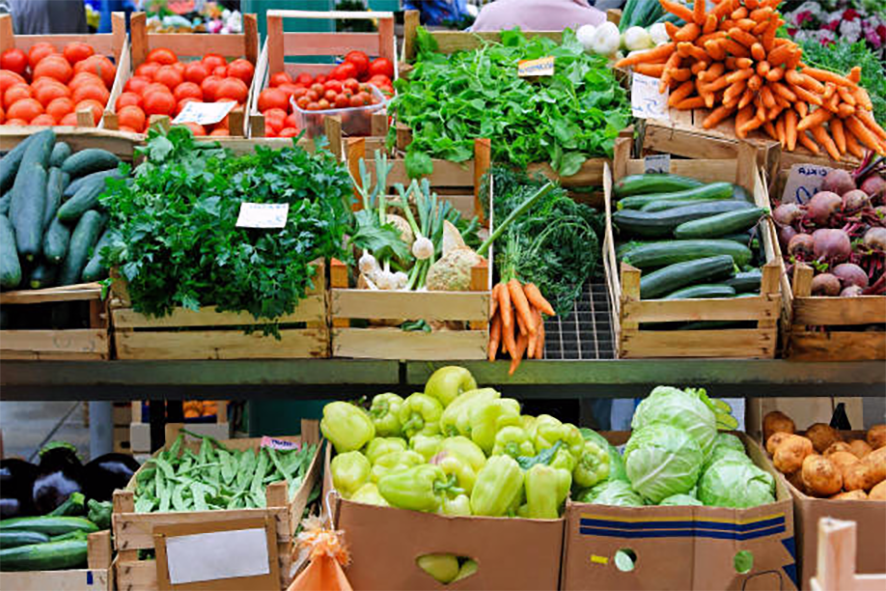 A vegetable market stall.
Welcome to FabulousFusionFood's Vegetable-based Recipes Page — The exact definition of "vegetable" may vary simply because of the many parts of a plant consumed as food worldwide—roots, stems, leaves, flowers, fruits, and seeds. The broadest definition is the word's use adjectivally to mean "matter of plant origin". More specifically, a vegetable may be defined as "any plant, part of which is used for food", a secondary meaning then being "the edible part of such a plant". A more precise definition is "any plant part consumed for food that is not a fruit or seed, but including mature fruits that are eaten as part of a main meal". Falling outside these definitions are edible fungi (such as edible mushrooms) which, although not parts of plants, are often treated as vegetables.
The word vegetable was first recorded in English in the early 15th century. It comes from Old French, and was originally applied to all plants; the word is still used in this sense in biological contexts. It derives from Medieval Latin vegetabilis "growing, flourishing" (i.e. of a plant), a semantic change from a Late Latin meaning "to be enlivening, quickening". The meaning of "vegetable" as a "plant grown for food" was not established until the 18th century. In 1767, the word was specifically used to mean a "plant cultivated for food, an edible herb or root". The year 1955 saw the first use of the shortened, slang term "veggie".
As an adjective, the word vegetable is used in scientific and technical contexts with a different and much broader meaning, namely of "related to plants" in general, edible or not—as in vegetable matter, vegetable kingdom, vegetable origin, etc.
In the definition of "vegetable", which is used in everyday language, the words "fruit" and "vegetable" are mutually exclusive. "Fruit" has a precise botanical meaning, being a part that developed from the ovary of a flowering plant. This is considerably different from the word's culinary meaning. While peaches, plums, and oranges are "fruit" in both senses, many items commonly called "vegetables", such as aubergines, bell peppers, squashes and tomatoes, are botanically fruit.
Vegetables play an important role in human nutrition. Most are low in fat and calories but are bulky and filling. They supply dietary fibre and are important sources of essential vitamins, minerals, and trace elements. Particularly important are the antioxidant vitamins A, C, and E. When vegetables are included in the diet, there is found to be a reduction in the incidence of cancer, stroke, cardiovascular disease, and other chronic ailments. Research has shown that, compared with individuals who eat less than three servings of fruits and vegetables each day, those that eat more than five servings have an approximately twenty percent lower risk of developing coronary heart disease or stroke. The nutritional content of vegetables varies considerably; some contain useful amounts of protein though generally they contain little fat, and varying proportions of vitamins such as vitamin A, vitamin K, and vitamin B6; provitamins; dietary minerals; and carbohydrates.
The consumption of crunchy and hard to chew foods, such as raw vegetables, during youth, while the bones are still growing, is needed for the human's, and other animals', jaws' proper development, and without their consumption, the jaws do not grow to their full size, thus not leaving enough room for the teeth to grow in correctly, causing crooked and impacted teeth.
The recipes presented here are either vegetable-based or have a significant vegetable component.
The alphabetical list of all the Vegetable-based recipes on this site follows, (limited to 100 recipes per page). There are 8002 recipes in total:
Page 21 of 81
| Cranachan flapjacks Origin: Scotland | Creamy Buffalo Shrimp Tacos Origin: America | Crevettes au Curry (Malagasy Prawn Curry) Origin: Madagascar |
| Cranberry and Orange Marmalade Origin: American | Creamy Chestnut Soup Origin: France | Criollo de los Mordedores (Snapper Criollo) Origin: Venezuela |
| Cranberry Chutney Origin: Britain | Creamy Chocolate Frosting Origin: American | Crisp Fried Onion Rings Origin: British |
| Cranberry Eggnog Muffins (Cranberry Eggnog Muffins) Origin: American | Creamy Garlic Mash Origin: Britain | Crisp Paupiette of Sea Bass in Red-wine Sauce Origin: France |
| Cranberry Jam Origin: Britain | Creamy Monkfish and Shellfish Potpie Origin: Britain | Crisp-fried Gutweed Origin: Fusion |
| Cranberry Jelly Origin: Britain | Creamy Potato and Vegetable Pie Origin: Ireland | Crisp-fried Morels Origin: Britain |
| Crayfish Curry Origin: South Africa | Creamy Potato Gratin Origin: Britain | Crisp-fried Wood Avens Leaves Origin: Britain |
| Cream Cheese Filled Cupcakes Origin: American | Creamy Pumpkin Soup Origin: American | Crispy Crab Wontons Origin: Fusion |
| Cream Cheese Gingerbread Muffins Origin: Britain | Creamy Rum Balls Origin: Australia | Crispy duck noodles with vegetables Origin: Britain |
| Cream of Asparagus Soup Origin: Britain | Creamy Samp Origin: eSwatini | Crispy Feta Chicken Origin: Fusion |
| Cream of Celery Soup Origin: Britain | Cregyn Bylchog wedi Gradellu (Grilled Scallops) Origin: Welsh | Crispy Pork Roast with Basil Sauce Origin: Germany |
| Cream of Cheese Soup Origin: American | Cregyn Cylchog wedi Grilio (Grilled Scallops) Origin: Welsh | Crispy Potato Skins Origin: Britain |
| Cream of Chestnut Soup Origin: Britain | Crema Catalana (Catalan Caramel Cream) Origin: Spain | Croatian Ajvar (Aubergine and Bell Pepper Dip) Origin: Croatia |
| Cream of Giant Puffball Soup Origin: Britain | Crema de Frutas con Barquillo (Fruit and Cream with Wafers) Origin: Spain | Croatian Bolete Soup with Buckwheat Origin: Croatia |
| Cream of Mushroom Soup Origin: Britain | Crema de Naranja (Orange Cream) Origin: Spain | Croatian Sarma Origin: Croatia |
| Cream of Nettle and Bear Garlic Soup Origin: British | Crema Untable de Plántanos (Banana Curd Spread) Origin: Equatorial Guinea | Crockpot Bayou Gumbo Origin: American |
| Cream of Nettle and Watercress Soup Origin: Britain | Crème de Marrons (Chestnut Cream) Origin: France | Crockpot Black Bean Chili Origin: American |
| Cream of Onion Soup Origin: Britain | Creme de Milho Verde (Creamed Corn) Origin: Brazil | Crockpot Black Bean Chili with Pork Origin: American |
| Cream of Potato Soup Origin: American | Creme of almanndes (Cream of Almonds) Origin: England | Crockpot Black Bean Soup Origin: American |
| Cream of Puffball Soup Origin: Britain | Crème ou chaudrée de moules aux agrumes (Mussel Chowder in Citrus Cream) Origin: Saint Pierre | Crockpot Broccoli Soufflé Origin: American |
| Cream of Rice Origin: American | Cremes caramel au beurre sale (Salted butter caramel candies) Origin: France | Crockpot Brunswick Stew Origin: American |
| Cream of Salsify Soup Origin: Britain | Cremes caramel au beurre sale (Salted Butter Caramel Sauce) Origin: France | Crockpot Chicken Chili Origin: American |
| Cream of Tannia Soup Origin: Dominica | Cremes caramel au beurre sale (Breton salted butter caramel cake) Origin: France | Crockpot Chili Origin: American |
| Cream of Tomato Soup Origin: Britain | Crempog Cennin a Chaws Caerffili (Leek and Caerphilly Cheese Pancakes) Origin: Welsh | Crockpot Chili Con Carne Origin: American |
| Cream of Vegetable Soup Origin: Britain | Crempog Furum (Yeast Pancake) Origin: Welsh | Crockpot Corned Beef and Cabbage Origin: Ireland |
| Creamed Alexanders Root Origin: Britain | Crempog Gaernarfon (Caernarfon Pancakes) Origin: Welsh | Crockpot Costa Rican Beef and Vegetable Soup with Yellow Rice Origin: Costa Rica |
| Creamed Apples with Strawberry Jelly Origin: England | Crempog Geirch (Oatmeal Pancakes) Origin: Welsh | Crockpot Curry Hotpot Origin: Fusion |
| Creamed Corn Origin: American | Crempog Gri (Currant Pancakes) Origin: Welsh | Crockpot Pumpkin Beef Chili Origin: American |
| Creamed Garlicky Potatoes Origin: France | Crempog Surgeirch (Sour-oats Pancake) Origin: Welsh | Crofter Broth Origin: Scotland |
| Creamed Ground Elder Origin: Britain | Crempogau Cennin a Madarch (Savoury Steamed Leek Pudding) Origin: Welsh | Croquetas de Papa y Quinoa (Chilean Quinoa Croquettes) Origin: Chile |
| Creamed Onions Origin: American | Creole Calamari Origin: Aruba | Croquettes d'ignames (Yam Croquettes) Origin: Guinea |
| Creamed Swedes Origin: Britain | Creole Succotash Origin: America | Croquettes de Manioc (Cassava Croquettes) Origin: Senegal |
| Creamed Sweet Potatoes with Carrots and Turnips Origin: American | Crêpe Farine de Mil (Senegalese Millet Flour Crêpes) Origin: Senegal | |
| Creamed Turnips Origin: American | Crêpes Banane Dakar (Dakar-style Banana Crêpes) Origin: Senegal |
Page 21 of 81