FabulousFusionFood's Vegetable-based Recipes 15th Page
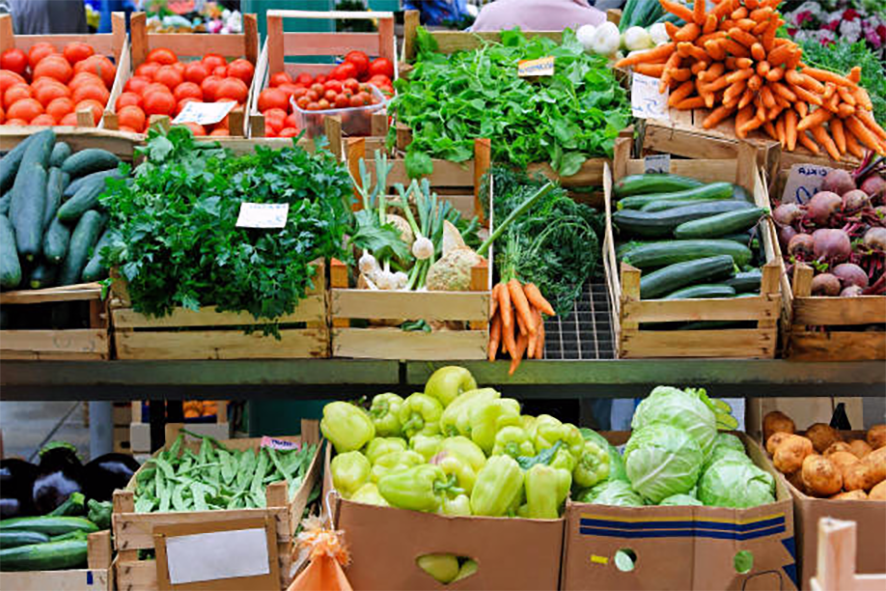 A vegetable market stall.
Welcome to FabulousFusionFood's Vegetable-based Recipes Page — The exact definition of "vegetable" may vary simply because of the many parts of a plant consumed as food worldwide—roots, stems, leaves, flowers, fruits, and seeds. The broadest definition is the word's use adjectivally to mean "matter of plant origin". More specifically, a vegetable may be defined as "any plant, part of which is used for food", a secondary meaning then being "the edible part of such a plant". A more precise definition is "any plant part consumed for food that is not a fruit or seed, but including mature fruits that are eaten as part of a main meal". Falling outside these definitions are edible fungi (such as edible mushrooms) which, although not parts of plants, are often treated as vegetables.
The word vegetable was first recorded in English in the early 15th century. It comes from Old French, and was originally applied to all plants; the word is still used in this sense in biological contexts. It derives from Medieval Latin vegetabilis "growing, flourishing" (i.e. of a plant), a semantic change from a Late Latin meaning "to be enlivening, quickening". The meaning of "vegetable" as a "plant grown for food" was not established until the 18th century. In 1767, the word was specifically used to mean a "plant cultivated for food, an edible herb or root". The year 1955 saw the first use of the shortened, slang term "veggie".
As an adjective, the word vegetable is used in scientific and technical contexts with a different and much broader meaning, namely of "related to plants" in general, edible or not—as in vegetable matter, vegetable kingdom, vegetable origin, etc.
In the definition of "vegetable", which is used in everyday language, the words "fruit" and "vegetable" are mutually exclusive. "Fruit" has a precise botanical meaning, being a part that developed from the ovary of a flowering plant. This is considerably different from the word's culinary meaning. While peaches, plums, and oranges are "fruit" in both senses, many items commonly called "vegetables", such as aubergines, bell peppers, squashes and tomatoes, are botanically fruit.
Vegetables play an important role in human nutrition. Most are low in fat and calories but are bulky and filling. They supply dietary fibre and are important sources of essential vitamins, minerals, and trace elements. Particularly important are the antioxidant vitamins A, C, and E. When vegetables are included in the diet, there is found to be a reduction in the incidence of cancer, stroke, cardiovascular disease, and other chronic ailments. Research has shown that, compared with individuals who eat less than three servings of fruits and vegetables each day, those that eat more than five servings have an approximately twenty percent lower risk of developing coronary heart disease or stroke. The nutritional content of vegetables varies considerably; some contain useful amounts of protein though generally they contain little fat, and varying proportions of vitamins such as vitamin A, vitamin K, and vitamin B6; provitamins; dietary minerals; and carbohydrates.
The consumption of crunchy and hard to chew foods, such as raw vegetables, during youth, while the bones are still growing, is needed for the human's, and other animals', jaws' proper development, and without their consumption, the jaws do not grow to their full size, thus not leaving enough room for the teeth to grow in correctly, causing crooked and impacted teeth.
The recipes presented here are either vegetable-based or have a significant vegetable component.
The alphabetical list of all the Vegetable-based recipes on this site follows, (limited to 100 recipes per page). There are 8002 recipes in total:
Page 15 of 81
| Caudel Ferry (Caudle Ferry) Origin: England | Cawl y Carolwyr (Carollers' Broth) Origin: Welsh | Ceviche de Pollo (Chicken Ceviche) Origin: Peru |
| Caudel for gees (Caudle for Geese) Origin: England | Cawl y Gaeaf (Winter Broth) Origin: Welsh | Château Potatoes Origin: France |
| Caudel of almannd mylke (Caudle of Almond Milk) Origin: England | Caws a Thatws wedi Pobi (Potato and Cheese Bake) Origin: Welsh | Châteaubriand with a Shallot Red Wine Reduction Origin: France |
| Caudel of Muskels (Caudle of Mussels) Origin: England | Caws Gafr gyda Betys a Llysiau Gwyllt (Goat's Cheese with Beetroot and Wild Herbs) Origin: Welsh (Patagonia) | Châteaubriand with Portobello Mushrooms and Madeira Wine Jus Origin: France |
| Cauli-matar Ko Tarakari Origin: Nepal | Cayenne Vinegar Origin: Britain | Chłodnik Botwina (Cold Summer Beet Leaf Soup) Origin: Poland |
| Cauliflower Cheddar Fritters Origin: Britain | Cayman Callaloo Soup Origin: Cayman Islands | Chłodnik Szczawiowy na Serwatce (Sorrel Borscht with Whey) Origin: Poland |
| Cauliflower Cheese Origin: Britain | Cayman Cassava Cake Origin: Cayman Islands | Chaat Masala Origin: India |
| Cauliflower Roti Origin: India | Cayman Conch Chowder Origin: Saint Lucia | Chaat Masala Origin: India |
| Cauliflower with Dorsa Sauce Origin: Algeria | Cayman Curry Goat Origin: Cayman Islands | Chaat Masala Indian Spice Blend Origin: India |
| Cauliflower, Mushroom and Carlin Peas Curry Origin: Britain | Cayman Mango Chutney Origin: Cayman Islands | Chabéu de Carne (Meat with Palm Oil) Origin: Guinea-Bissau |
| Causa Croquettes Origin: Peru | Cayman Mango Salsa Origin: Cayman Islands | Chabéu de Tainha (Palm Soup of Mullet) Origin: Guinea-Bissau |
| Cavolo Agra (Cabbage with Bacon and Fennel Seeds) Origin: Italy | Cayman Roti Skins Origin: Cayman Islands | Chacarero (Chilean Steak Sandwich) Origin: Chile |
| Cawl (Soup) Origin: Welsh | Cazuela Chilena (Chilean Cazuela) Origin: Chile | Chackchouka Origin: Morocco |
| Cawl Aberaeron (Aberaeron Broth) Origin: Welsh | Cazuela de Mariscos Chilena (Chilean Seafood Cazuela) Origin: Chile | Chackouka (Poached Eggs on Pepper Ragout) Origin: Algeria |
| Cawl Americanaidd Cocos Penclawdd (Penclawdd Cockle Chowder) Origin: Welsh | Cazuela Fiestera (Festival Casserole) Origin: Ecuador | Chadian Mouloukhiyé (Jute Mallow Soup) Origin: Chad |
| Cawl Bara Lawr (Laver Soup) Origin: Welsh | Cebollas Guisadas (Braised Baby Onions) Origin: Spain | Chadian Mouloukhiyé (Jute Mallow Leaf and Beef Stew) Origin: Chad |
| Cawl Berw Dŵr â Thatws (Watercress and Potato Soup) Origin: Welsh | Cecina (Chickpea pancake) Origin: Roman | Chai Origin: East Africa |
| Cawl Blawd Ceirch (Welsh Oatmeal Soup) Origin: Welsh | Ceebu Jën (Rice and Fish) Origin: Senegal | Chakalaka Origin: South Africa |
| Cawl Blodfresych Rhost (Roast Cauliflower Soup) Origin: Welsh | Celebration Cupcakes Origin: British | Chakchouka Origin: Tunisia |
| Cawl Cennin (Welsh Leek Soup) Origin: Welsh | Celebration Pudding Origin: Britain | Chakhchoukha Origin: Algeria |
| Cawl Cennin a Dilysg (cawl-cennin-dilysg) Origin: Welsh | Celebration Soup Origin: Japan | Chakhragina Origin: South Ossetia |
| Cawl Cennin a Moron (Leek and Carrot Soup) Origin: Welsh | Celeriac Champ Origin: Ireland | Chamomile Jelly Origin: Britain |
| Cawl Cennin a Thatws (Leek and Potato Soup) Origin: Welsh | Celery Sauce Origin: Scotland | Chamorro Flour Titiyas Origin: Northern Mariana Islands |
| Cawl Cig Oen (Lamb Broth) Origin: Welsh | Celery Sauce Origin: Britain | Chamorro Flour Titiyas Origin: Guam |
| Cawl Cocos gyda Draenogiad y Môr wedi Ysmygu dros Fwg Derw (Cockle Broth with Oak-smoked Sea Bass) Origin: Welsh | Celery Soup Origin: British | Chamorro Shrimp Patties Origin: Northern Mariana Islands |
| Cawl Cynhaeaf (Harvest Broth) Origin: Welsh | Celtic Pork and Apple Stew Origin: Ancient | Chamorro Shrimp Patties Origin: Guam |
| Cawl Daandl Poethion (Nettle Soup) Origin: Welsh | Cenci all Fiorentina (Italian Bow-tie Biscuits) Origin: Italy | Champ 2 Origin: Ireland |
| Cawl Letysen (Lettuce Soup) Origin: Welsh | Cennin ac Ŵyau Mewn Saws Caws (Leek and Eggs in Cheese Sauce) Origin: Welsh | Champ Croquettes Origin: Northern Ireland |
| Cawl Llysiau'r Gaeaf (Winter Vegetable Soup) Origin: Welsh | Cennin Hufennog (Creamed Leeks) Origin: Welsh | Chana Chaat Puri Origin: Britain |
| Cawl Mamgu (Grandma's Soup) Origin: Welsh | Cennin mewn Saws Oren (Leeks in Orange Sauce) Origin: Welsh | Chanterelle and Shiitake Black Bean Chili with Sour Cherries Origin: American |
| Cawl Penwaig (Welsh Herring Soup) Origin: Welsh | Cennin Mewn Saws Tri Chaws (Leeks in a Three-cheese Sauce) Origin: Welsh | Chanterelle and Spinach Pie Origin: Britain |
| Cawl Tatws a Chennin Syfi (Potato and Chive Soup) Origin: Welsh | Cepelinai (Lithuanian Meat-filled Potato Dumplings) Origin: Lithuania | Chap Chee (Spicy Vegetables) Origin: Korea |
| Cawl Traddodiadol Mewn Dull Ffrengig (Traditional Broth in a French Style) Origin: Welsh | Cerezas al Horno (Baked Cherry Cake) Origin: Spain | |
| Cawl Tregaron (Tregaron Broth) Origin: Welsh | Ceviche de Atum (Tuna Ceviche) Origin: Brazil |
Page 15 of 81