FabulousFusionFood's Vegetable-based Recipes 30th Page
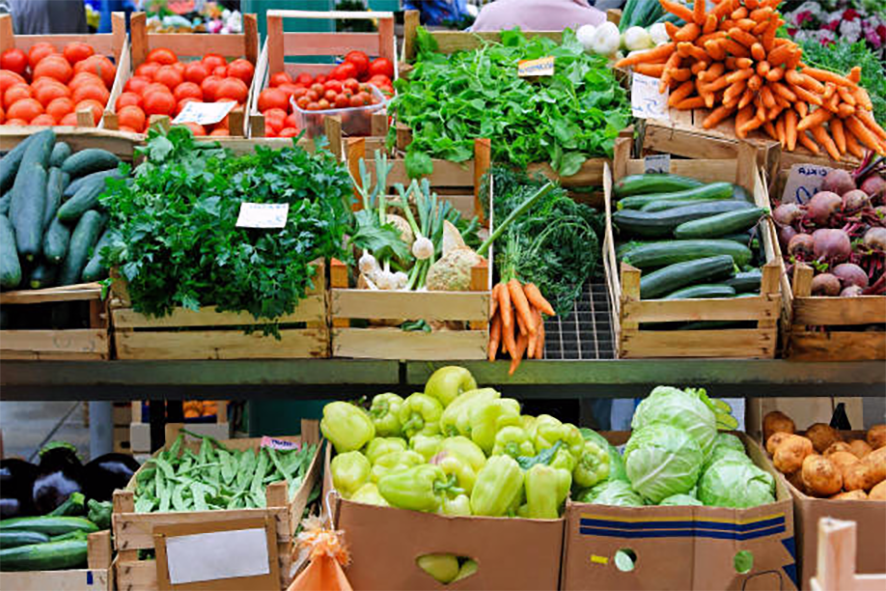 A vegetable market stall.
Welcome to FabulousFusionFood's Vegetable-based Recipes Page — The exact definition of "vegetable" may vary simply because of the many parts of a plant consumed as food worldwide—roots, stems, leaves, flowers, fruits, and seeds. The broadest definition is the word's use adjectivally to mean "matter of plant origin". More specifically, a vegetable may be defined as "any plant, part of which is used for food", a secondary meaning then being "the edible part of such a plant". A more precise definition is "any plant part consumed for food that is not a fruit or seed, but including mature fruits that are eaten as part of a main meal". Falling outside these definitions are edible fungi (such as edible mushrooms) which, although not parts of plants, are often treated as vegetables.
The word vegetable was first recorded in English in the early 15th century. It comes from Old French, and was originally applied to all plants; the word is still used in this sense in biological contexts. It derives from Medieval Latin vegetabilis "growing, flourishing" (i.e. of a plant), a semantic change from a Late Latin meaning "to be enlivening, quickening". The meaning of "vegetable" as a "plant grown for food" was not established until the 18th century. In 1767, the word was specifically used to mean a "plant cultivated for food, an edible herb or root". The year 1955 saw the first use of the shortened, slang term "veggie".
As an adjective, the word vegetable is used in scientific and technical contexts with a different and much broader meaning, namely of "related to plants" in general, edible or not—as in vegetable matter, vegetable kingdom, vegetable origin, etc.
In the definition of "vegetable", which is used in everyday language, the words "fruit" and "vegetable" are mutually exclusive. "Fruit" has a precise botanical meaning, being a part that developed from the ovary of a flowering plant. This is considerably different from the word's culinary meaning. While peaches, plums, and oranges are "fruit" in both senses, many items commonly called "vegetables", such as aubergines, bell peppers, squashes and tomatoes, are botanically fruit.
Vegetables play an important role in human nutrition. Most are low in fat and calories but are bulky and filling. They supply dietary fibre and are important sources of essential vitamins, minerals, and trace elements. Particularly important are the antioxidant vitamins A, C, and E. When vegetables are included in the diet, there is found to be a reduction in the incidence of cancer, stroke, cardiovascular disease, and other chronic ailments. Research has shown that, compared with individuals who eat less than three servings of fruits and vegetables each day, those that eat more than five servings have an approximately twenty percent lower risk of developing coronary heart disease or stroke. The nutritional content of vegetables varies considerably; some contain useful amounts of protein though generally they contain little fat, and varying proportions of vitamins such as vitamin A, vitamin K, and vitamin B6; provitamins; dietary minerals; and carbohydrates.
The consumption of crunchy and hard to chew foods, such as raw vegetables, during youth, while the bones are still growing, is needed for the human's, and other animals', jaws' proper development, and without their consumption, the jaws do not grow to their full size, thus not leaving enough room for the teeth to grow in correctly, causing crooked and impacted teeth.
The recipes presented here are either vegetable-based or have a significant vegetable component.
The alphabetical list of all the Vegetable-based recipes on this site follows, (limited to 100 recipes per page). There are 8002 recipes in total:
Page 30 of 81
| Ghanaian Jollof Rice Origin: Ghana | Glazed Onions Origin: British | Goen Hogay (Cucumbers with Onion and Cheese) Origin: Bhutan |
| Ghanaian Jollof Rice II (Ghanaian Jollof Rice) Origin: Ghana | Glazed Parsnips Origin: Britain | Golabjamoun (Sweet Potato Cakes) Origin: Zambia |
| Ghanaian Kulikuli (Deep Fried Peanut Balls) Origin: Ghana | Glazed Turnips Origin: British | Golden Syrup Flapjacks Origin: British |
| Ghanaian Pepper Soup Origin: Ghana | Gliko Kerasi (Cherries in Syrup) Origin: Cyprus | Golden Syrup Pumpkin Pudding Origin: Britain |
| Ghanaian Street Indomie Origin: Ghana | Gliko Kitromilo (Bitter Oranges in Syrup) Origin: Cyprus | Golden Vegetable Soup Origin: Britain |
| Ghanaian Tomato Gravy Origin: Ghana | Gliko Melintzanakia (Small Aubergines in Syrup) Origin: Cyprus | Golwythion Cig Oen gyda Rhosmari ac Afal (Lamb Chops with Rosemary and Apples) Origin: Welsh |
| Gheema Origin: Britain | Gliko Milo (Apples in Syrup) Origin: Cyprus | Gombapaprikás (Mushroom Paprikash) Origin: Hungary |
| Gheema Curry Origin: South Africa | Glücksbringer II (Lucky Charm Biscuits) Origin: Germany | Gombo et Kissar (Okra Stew with Kissar) Origin: Chad |
| Ghiya-Chironji ki Daal (Spiced Sunflower Seed and Chironji Paste) Origin: India | Gluecks-Schweinchen (German New Year Good Luck Pig Buns) Origin: Germany | Gombos au Boeuf (Beef and Okra) Origin: Central African Republic |
| Gibanica (Cheese Strudel Pie) Origin: Serbia | Gluten-free Chapati Origin: Fusion | Gombos de Poisson Sec (Dried Fish with Okra) Origin: Chad |
| Gimchi bokk-eumbab (Kimchi Fried Rice) Origin: Korea | Gluten-free Pancakes Origin: Britain | Gomen (Ethiopian Collard Greens) Origin: Ethiopia |
| Gimchijeon (Kimchi Pancakes) Origin: Korea | Gnamakoudji (Ivorian Ginger Drink) Origin: Cote dIvoire | Gomen Kitfo (Spiced Curd Cheese with Greens) Origin: Ethiopia |
| Ginger and Rhubarb Conserve Origin: Britain | Gnamakoudji (Ginger and Fruit Juice Drink) Origin: Cote dIvoire | Gongura Mamsam Origin: India |
| Ginger Bananas Origin: Seychelles | Gnamakoudji (Ginger Juice) Origin: Cote dIvoire | Gongura Pappu (Sorrel Leaf Dal) Origin: India |
| Ginger Beer Origin: Chad | Gnocchi al Vaticano Origin: Vatican City | Good Friday Fish Pie Origin: Britain |
| Ginger Chicken Origin: China | Gnocchi alla Puttanesca al Forno (Puttanesca Baked Gnocchi) Origin: Italy | Good King Henry Aloo Origin: Fusion |
| Ginger Chicken with Toasted Sesame Seeds Origin: China | Gnocchi Basilico con Salsa al Pomodoro e Rucola (Basil Gnocchi with Tomato Sauce and Wild Rocket) Origin: Italy | Gooseberry and Almond Tart Origin: Britain |
| Ginger Fairings Origin: England | Gnocchi di Ortica (Nettle Gnocchi) Origin: Italy | Gooseberry and Strawberry Tart Origin: Britain |
| Ginger Prawns with Oyster Mushrooms Origin: China | Gnocchi Verdi (Spinach Gnocchi) Origin: Italy | Goosegrass and Chickweed Kedgeree Origin: Fusion |
| Ginger Soy Fish en Papillote Origin: Fusion | Gnon de Fonio Origin: Burkina Faso | Goosegrass and Wild Greens Soup Origin: Britain |
| Ginger, Chicken and Coconut Soup Origin: Fusion | Goan Mackerel Masala Origin: India | Goosegrass Polenta with Almond Crust Origin: British |
| Ginger-garlic Paste Origin: India | Goan-style Mealworm and Chickpea Curry Origin: Fusion | Gorassa (Sudanese Flatbread) Origin: Sudan |
| Gingerbread Mincemeat Cupcakes with Salted Caramel Icing Origin: Britain | Goat and Aubergine Kebabs Origin: Haiti | Gorraasa Origin: Sudan-a |
| Gingerbread Ring Cake Origin: Britain | Goat Curry with Potatoes Origin: Pakistan | Gosht Pullao (Beef Pullao) Origin: India |
| Gingko Rice Origin: Fusion | Goat Meat Groundnut Soup Origin: Ghana | Gothambu Paayasam Origin: India |
| Ginjabeer Origin: Equatorial Guinea | Goat Meat Soup Origin: Liberia | Goulash Origin: Hungary |
| Githeri Origin: Kenya | Goat Meat Tagine Origin: African Fusion | Gourdes in Potage (Pottage of Gourd) Origin: England |
| Givech (Mixed Vegetable Caviar) Origin: Georgia | Goat Mince Rissole Origin: Britain | Govjadina Stroganov (Beef Stroganoff) Origin: Russia |
| Glacé Fruit Triem Origin: South Africa | Goat Water Origin: Antigua | Gram Flour Chapati Origin: Fusion |
| Glace de Viande Origin: France | Goat Water Origin: Saint Kitts | Granat Cake (Sierra Leonean Peanut Brittle) Origin: Sierra Leone |
| Glazed Canella Scones Origin: Britain | Goat's Cheese Muffins (Goat's Cheese Muffins) Origin: Britain | Granita mit Waldmeister und Beeren (Granita with Woodruff and Strawberries) Origin: Germany |
| Glazed Carrots Origin: Britain | Goatherd's Pastry Pie Origin: British | Granizado de Limón (Iced Lemon Crush) Origin: Spain |
| Glazed Carrots Origin: British | Gobi Manchurian (Cauliflower Manchurian) Origin: Britain | |
| Glazed Duckling with Pineapple Salsa Origin: Fusion | Gochugaru Seasoning Blend Origin: Korea |
Page 30 of 81