FabulousFusionFood's Leafy Greens-based Recipes 8th Page
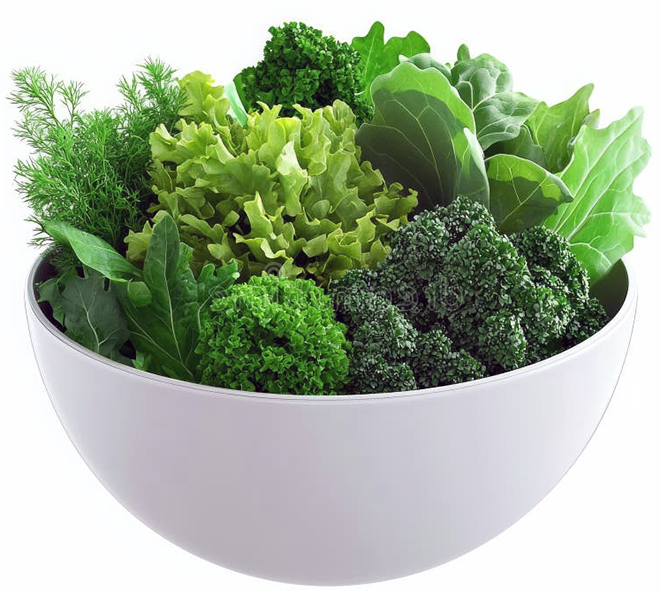
Mixed leafy greens in a bowl. Mixed leafy greens in a bowl
Welcome to FabulousFusionFood's Leafy Greens-based Recipes Page —Leaf vegetables, also called leafy greens, vegetable greens, or simply greens, are plant leaves eaten as a vegetable. Those eaten raw in a salad can be called salad greens, whereas leaf vegetables eaten cooked can be called pot herbs.


Nearly 1,000 species of plants with edible leaves are known. Leaf vegetables most often come from short-lived herbaceous plants, such as lettuce and spinach, but also come from some woody plants. The leaves of many fodder crops (e.g. alfalfa, clover, and most grasses) are also edible by humans, but usually only as famine or processed food.

The leaves of many fodder crops are also edible by humans, but usually only as famine food. Examples include alfalfa, clover, and most grasses, including wheat and barley. Food processing, such as drying and grinding into powder or pulping and pressing for juice, may involve these crop leaves in a diet.

Leaf vegetables contain many typical plant nutrients, but being photosynthetic tissues, their vitamin K levels are particularly notable. Accordingly, users of vitamin K antagonist medications like warfarin must limit their consumption of leaf vegetables.

If leaves are cooked for food, they may be referred to in the United States as boiled greens. Leaf vegetables may be stir-fried, stewed, steamed, or consumed raw. Leaf vegetables stewed with pork is a traditional dish in soul food and Southern U.S. cuisine. They are also commonly eaten in South Asian dishes such as saag. Leafy greens can be used to wrap other ingredients into an edible package like a tortilla. Many green leafy vegetables, such as lettuce or spinach, can also be eaten raw, for example, in sandwiches or salads. A green smoothie enables large quantities of raw leafy greens to be consumed by blending the leaves with fruit and water.

The brassicaceae is a medium-sized and economically important family of flowering plants commonly known as the mustards, the crucifers, or the cabbage family. The family contains the cruciferous vegetables, including species such as Brassica oleracea (cultivated as cabbage, kale, cauliflower, broccoli and collards), Brassica rapa (turnip, Chinese cabbage, etc.), Brassica napus (rapeseed, etc.), Raphanus sativus (common radish), Armoracia rusticana (horseradish), the cut-flower Matthiola (stock) and the model organism Arabidopsis thaliana (thale cress).

This family includes important agricultural crops, particularly leafy greens, among which many vegetables such as cabbage, broccoli, cauliflower, kale, Brussels sprouts, collard greens, Savoy, kohlrabi, and gai lan (Brassica oleracea), turnip, napa cabbage, mizuna, bok choy and rapini (Brassica rapa), rocket salad/arugula (Eruca sativa), garden cress (Lepidium sativum), watercress (Nasturtium officinale) and radish (Raphanus) and a few spices like horseradish (Armoracia rusticana), wasabi (Eutrema japonicum), white, brown and black mustard (Sinapis alba, Brassica juncea and B. nigra respectively). Even if not specifically grown as leafy green vegetables, the leaves of the majority of these species can be and are consumed.

Outside the brassicaceae, the Amaranthaceae or Amaranth family are a major source of leafy greens worldwide, with the most common and well known species being Spinacia oleracea or spinach. Its leaves are a common vegetable consumed either fresh, cooked or after storage (using preservation techniques like canning, freezing, or dehydration). The taste differs considerably between cooked and raw: the high oxalate content may be reduced by blanching. So common is spinach as a leafy green that it's used as a common substitute for other local leafy greens.

Note that beetroot, a source of both an edible taproot and leafy greens. Beta vulgaris is also a member of the Amaranthaceae family, as is the closely related chard (Beta vulgaris subsp. vulgaris) which is grown for its edible stems and leafy greens.

In Africa, the leaves of cassava plants and sweet potato plants are widely consumed and leafy greens sourced from the wild are used to supplement the diet in countries across the globe.

The alphabetical list of all the leafy greens-based recipes on this site follows, (limited to 100 recipes per page). There are 3031 recipes in total:

Page 8 of 31


Comorian Coconut Curry Chicken
     Origin: Comoros
Cream of Nettle and Bear Garlic Soup
     Origin: British
Curried Baked Hake with Cauliflower
and Chickpeas

     Origin: South Africa
Conch and Dumplings
     Origin: Sint Maarten
Cream of Nettle and Watercress Soup
     Origin: Britain
Curried Beef Gratin
     Origin: African Fusion
Conch Mango Salad
     Origin: Turks Caicos
Cream of Vegetable Soup
     Origin: Britain
Curried Beef in Red Wine
     Origin: Britain
Conchiclam Apicianam
(Dried Peas à la Apicius)
     Origin: Roman
Creamed Alexanders Root
     Origin: Britain
Curried Beef Kebabs
     Origin: British
Concoction Rice
     Origin: Nigeria
Creamed Ground Elder
     Origin: Britain
Curried Cabbage
     Origin: West Africa
Confit d'Algue
(Confit of Seaweed)
     Origin: France
Creamed Swedes
     Origin: Britain
Curried Chicken and Peach Salad
     Origin: America
Confit of Duck
     Origin: France
Creamed Turnips
     Origin: American
Curried Chicken Soup
     Origin: Scotland
Confit of Wild Rabbit with a Sweet
Onion and Wood Blewit Ragout

     Origin: Britain
Creamy Potato and Vegetable Pie
     Origin: Ireland
Curried Fireweed Shoots
     Origin: Canada
Congee with Fish Fillet
     Origin: China
Creamy Pumpkin Soup
     Origin: American
Curried Fishcakes
     Origin: Zimbabwe
Conkies
     Origin: Bahamas
Crema Mexicana
     Origin: Mexico
Curried Lamb Chops
     Origin: Fusion
Cooked Rice Dosa
     Origin: India
Crème ou chaudrée de moules aux
agrumes

(Mussel Chowder in Citrus Cream)
     Origin: Saint Pierre
Curried Prawn Noodle Soup with Stevia
     Origin: Fusion
Coorg Chicken Masala
     Origin: India
Creole Calamari
     Origin: Aruba
Curried Rice
     Origin: Fusion
Coq-au-Vin II
     Origin: France
Creole Seasoning
     Origin: USA
Curried Spinach with peanut butter
     Origin: Burundi
Coriander Lime Rice
     Origin: America
Creole Succotash
     Origin: America
Curried Squash, Coconut and Lime Soup
     Origin: Solomon Islands
Coriander Mint Chutney
     Origin: India
Cricket and Two-bean Chili
     Origin: Fusion
Curried Tempura Grasshoppers
     Origin: Fusion
Corned Beef Musubi
     Origin: Hawaii
Crisp-fried Gutweed
     Origin: Fusion
Curried Wild Mustard Greens with Beans
     Origin: Fusion
Cornish Baked Herring
     Origin: Britain
Crisp-fried Wood Avens Leaves
     Origin: Britain
Curry Breadfruit
     Origin: Trinidad
Cornish Chicken Curry
     Origin: England
Crispy duck noodles with vegetables
     Origin: Britain
Curry de Boeuf au Yaourt
(Beef Curry with Yoghurt)
     Origin: Mauritius
Cornish Fish Pie
     Origin: England
Crispy Flautas with Chicken or Beef
     Origin: Mexico
Curry de Lotte Bretonne
(Breton Monkfish Curry)
     Origin: France
Cornish Nettle Soup
     Origin: England
Crispy Pork Roast with Basil Sauce
     Origin: Germany
Curry de pollo y coco
(Chicken and Coconut Curry)
     Origin: Dominican Republic
Cornish Pig's Head Pudding
     Origin: England
Croatian Bolete Soup with Buckwheat
     Origin: Croatia
Curry Mouan
(Chicken Curry)
     Origin: Cambodia
Cornish Pollack Curry
     Origin: England
Croatian Sarma
     Origin: Croatia
Curry Trey Ruah
(Curried Snapper)
     Origin: Cambodia
Cornish Salt Pork
     Origin: England
Crockpot Black Bean Chili with Pork
     Origin: American
Curry Vert avec Poisson, Cuit à
Vapeur

(Steamed Green Curry with Fish)
     Origin: France
Cornish Seaside Chowder with Saffron
     Origin: England
Crockpot Corned Beef and Cabbage
     Origin: Ireland
Cuspajz
(Croatian Cabbage and Potato Soup)
     Origin: Croatia
Cornish Sole Curry with Cauliflower
Rice

     Origin: England
Crocodile Curry
     Origin: Zambia
Cymas et Cauliculos
(Baby Greens in a Celery Mint Sauce)
     Origin: Roman
County Cork Irish Stew
     Origin: Ireland
Crocodile Sandakkan
     Origin: Malaysia
Cyri Cig Oen a Chennin
(Welsh Lamb and Leek curry)
     Origin: Welsh
Courgette and Coriander Soup
     Origin: Britain
Croquettes d'ignames
(Yam Croquettes)
     Origin: Guinea
Cyri Cocos a Dail Gwyrdd
(Cockle and Greens Curry)
     Origin: Welsh
Courgette Curry with Himalayan Balsam
Seed Pods

     Origin: Britain
Cuban Salsa Criolla
     Origin: Cuba
Cyri Oen Cymreig
(Welsh Lamb Curry)
     Origin: Welsh
Courgette Poêlêe
(Courgette Skillet)
     Origin: Madagascar
Cucurbitas mode Alexandrino
(Alexandrine Melon)
     Origin: Roman
Daello Thiyal
(Sri Lankan Cuttlefish Curry)
     Origin: Sri Lanka
Couscous alla Trapanese
     Origin: Italy
Cum faba
(Broad Beans in a Coriander Sauce)
     Origin: Roman
Daging Bumbu Bali
     Origin: Indonesia
Couscous with Camel
     Origin: Mauritania
Cumberland Hot Dogs with Sweet Chilli
and Tomato Relish

     Origin: British
Dahi Murg
(Yoghurt Chicken Curry)
     Origin: India
Cozido à Madeirense
     Origin: Portugal
Curd Raita
     Origin: Pakistan
Dahi Murg
(Yoghurt Chicken Curry)
     Origin: India
Crème Verde
     Origin: France
Curly Dock Seed Flour Biscuits
(Curly Dock Seed Flour Flour Biscuits)
     Origin: Britain
Crab Cakes
     Origin: Fusion
Curried Baked Cod with Cauliflower and
Chickpeas

     Origin: Fusion

Page 8 of 31