FabulousFusionFood's Leafy Greens-based Recipes 22tn Page
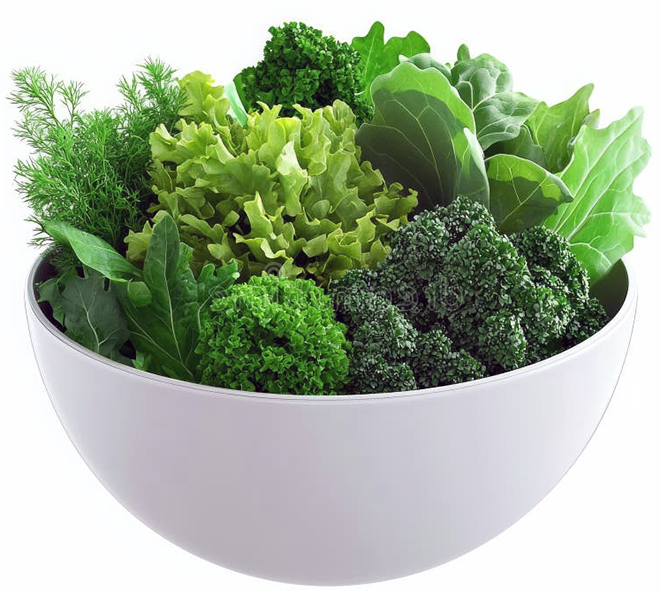 Mixed leafy greens in a bowl
Welcome to FabulousFusionFood's Leafy Greens-based Recipes Page —Leaf vegetables, also called leafy greens, vegetable greens, or simply greens, are plant leaves eaten as a vegetable. Those eaten raw in a salad can be called salad greens, whereas leaf vegetables eaten cooked can be called pot herbs.
Nearly 1,000 species of plants with edible leaves are known. Leaf vegetables most often come from short-lived herbaceous plants, such as lettuce and spinach, but also come from some woody plants. The leaves of many fodder crops (e.g. alfalfa, clover, and most grasses) are also edible by humans, but usually only as famine or processed food.
The leaves of many fodder crops are also edible by humans, but usually only as famine food. Examples include alfalfa, clover, and most grasses, including wheat and barley. Food processing, such as drying and grinding into powder or pulping and pressing for juice, may involve these crop leaves in a diet.
Leaf vegetables contain many typical plant nutrients, but being photosynthetic tissues, their vitamin K levels are particularly notable. Accordingly, users of vitamin K antagonist medications like warfarin must limit their consumption of leaf vegetables.
If leaves are cooked for food, they may be referred to in the United States as boiled greens. Leaf vegetables may be stir-fried, stewed, steamed, or consumed raw. Leaf vegetables stewed with pork is a traditional dish in soul food and Southern U.S. cuisine. They are also commonly eaten in South Asian dishes such as saag. Leafy greens can be used to wrap other ingredients into an edible package like a tortilla. Many green leafy vegetables, such as lettuce or spinach, can also be eaten raw, for example, in sandwiches or salads. A green smoothie enables large quantities of raw leafy greens to be consumed by blending the leaves with fruit and water.
The brassicaceae is a medium-sized and economically important family of flowering plants commonly known as the mustards, the crucifers, or the cabbage family. The family contains the cruciferous vegetables, including species such as Brassica oleracea (cultivated as cabbage, kale, cauliflower, broccoli and collards), Brassica rapa (turnip, Chinese cabbage, etc.), Brassica napus (rapeseed, etc.), Raphanus sativus (common radish), Armoracia rusticana (horseradish), the cut-flower Matthiola (stock) and the model organism Arabidopsis thaliana (thale cress).
This family includes important agricultural crops, particularly leafy greens, among which many vegetables such as cabbage, broccoli, cauliflower, kale, Brussels sprouts, collard greens, Savoy, kohlrabi, and gai lan (Brassica oleracea), turnip, napa cabbage, mizuna, bok choy and rapini (Brassica rapa), rocket salad/arugula (Eruca sativa), garden cress (Lepidium sativum), watercress (Nasturtium officinale) and radish (Raphanus) and a few spices like horseradish (Armoracia rusticana), wasabi (Eutrema japonicum), white, brown and black mustard (Sinapis alba, Brassica juncea and B. nigra respectively). Even if not specifically grown as leafy green vegetables, the leaves of the majority of these species can be and are consumed.
Outside the brassicaceae, the Amaranthaceae or Amaranth family are a major source of leafy greens worldwide, with the most common and well known species being Spinacia oleracea or spinach. Its leaves are a common vegetable consumed either fresh, cooked or after storage (using preservation techniques like canning, freezing, or dehydration). The taste differs considerably between cooked and raw: the high oxalate content may be reduced by blanching. So common is spinach as a leafy green that it's used as a common substitute for other local leafy greens.
Note that beetroot, a source of both an edible taproot and leafy greens. Beta vulgaris is also a member of the Amaranthaceae family, as is the closely related chard (Beta vulgaris subsp. vulgaris) which is grown for its edible stems and leafy greens.
In Africa, the leaves of cassava plants and sweet potato plants are widely consumed and leafy greens sourced from the wild are used to supplement the diet in countries across the globe.
The alphabetical list of all the leafy greens-based recipes on this site follows, (limited to 100 recipes per page). There are 3031 recipes in total:
Page 22 of 31
| Pollo en Pinol Origin: El Salvador | Potage Printanier Origin: British | Prawn Caldine Origin: India |
| Pollo Encebolladoaa (Chicken Smothered with Onions) Origin: El Salvador | Potage St Germain (Pea Soup St Germain) Origin: France | Prawn Curry Origin: Bangladesh |
| Pollo Pibil (Pit-Smoked Chicken in Annatto Marinade) Origin: Mexico | Potatas a la Huancaína (Huancaínan Potatoes) Origin: Peru | Prawn Laksa Origin: Malaysia |
| Polvo a Modo ze de Lino (Octopus Stew) Origin: Cape Verde | Potato and Bean Casserole with Tomatoes Origin: Ireland | Prawn Laksa Origin: Cocos Islands |
| Pondu Origin: Congo | Potato and Fat Hen Frittata Origin: Britain | Prawn Patties Origin: Trinidad |
| Pop Danadl Poethion (Nettle Pop) Origin: Welsh | Potato and Good King Henry Frittata Origin: Britain | Prawn Puri Origin: Britain |
| Porée de cresson (Stewed Cress) Origin: England | Potato and Gourd Chakee Origin: Anglo-Indian | Prebranac (Serbian-style Baked Beans) Origin: Serbia |
| Porc aux Choux de Chine (Pork with Chinese Leaf) Origin: Madagascar | Potato and Herb Terrine Origin: Ireland | Pressure Cooker Butter Chicken Curry Origin: Britain |
| Porcellum Hortulanum (Suckling Pig Stuffed with Garden Vegetables) Origin: Roman | Potato and Spinach Gnocchi Origin: Italy | Pressure Cooker Chana Aloo Curry (Pressure Cooker Chickpea Curry) Origin: Britain |
| Porcellum Lacte Pastum Elixum (Suckling Pig Crowned with Bayleaves) Origin: Roman | Potato and Spring Greens Soup Origin: Britain | Pressure Cooker Chicken Korma Origin: Fusion |
| Porcellum Liquaminatum (Roast Suckling Pig with a Pastry and Honey Stuffing) Origin: Roman | Potato Bourekas with Spicy Tomato Sauce Origin: Israel | Pressure Cooker Greek Meatballs with Spaghetti Sauce Origin: American |
| Porcellum Traianum (Suckling Pig à la Trajan) Origin: Roman | Potato Soup with Salmon and Chives Origin: Ireland | Pressure Cooker Massaman Beef Curry Origin: Britain |
| Porcetta (Roast Pork with Fennel Seed) Origin: Italy | Potato Wedges with Curry Sauce Origin: Britain | Pressure Cooker Quick Lentil Soup Origin: Britain |
| Pork and Chorizo Enchiladas Origin: Mexico | Potato, Tomato and Basil Soup Origin: Ireland | Pressure Cooker Spicy Carrot Soup Origin: Britain |
| Pork and Ginger Dumplings Origin: China | Potatoes with Almonds and Cream Origin: Britain | Pressure Cooker Thai Red Curry Origin: Britain |
| Pork and Sage Kebabs Origin: Britain | Potatoes with Pine Nuts Origin: Ireland | Prezganka (Flour Soup) Origin: Slovenia |
| Pork and Wild Food Curry Origin: Britain | Potes Llysiau â Dwmplinau (Vegetable Stew with Dumplings) Origin: Welsh | Prik Gaeng Panang (Panang Red Curry Paste) Origin: Thailand |
| Pork and Wild Mustard Greens Wontons Origin: China | Poto no Tucupi (Brazilian Tucupi and Duck Soup) Origin: Brazil | Primrose Tisane Origin: Britain |
| Pork Black Curry Origin: Sri Lanka | Potted Herrings Origin: Ireland | Prudhomme's Cajun Seasoning Mix Origin: American |
| Pork Korma Origin: India | Poule au pot à l'ancienne (Old-Fashioned Chicken in a Pot) Origin: France | Pudding Egusi (Egusi Pudding) Origin: Cameroon |
| Pork Menudo Origin: Philippines | Poulet à l'Arachide (Chicken with Peanuts) Origin: Burkina Faso | Puerto Rican Pasteles (Meat-stuffed Masa Pockets) Origin: Puerto Rico |
| Pork Tenderloin and Chorizo Kebabs with Bergamot Origin: Fusion | Poulet à la N'Gatietro (Chicken in the Manner of N'Gatietro) Origin: Cote dIvoire | Puerto Rican Picadillo (Puerto Rican Stewed Minced Beef) Origin: Puerto Rico |
| Pork Tenderloins with Bergamot Sauce Origin: British | Poulet à la Sauce Blanche (Chicken with White Sauce) Origin: Benin | Pulled BBQ Pork Tacos with Wilted Cabbage Salad (Pulled BBQ Pork Tacos with Wilted Cabbage Salads) Origin: Britain |
| Pork Vindaloo with Vindaloo Paste Origin: Britain | Poulet au Citron Vert (Chicken with Limes) Origin: DR-Congo | Pulled Firecracker Brisket Origin: Britain |
| Pork Vindhalo Origin: India | Poulet Bicyclette Origin: Burkina Faso | Pullum Elixum ex Iure Suo (Chicken in its Own Broth) Origin: Roman |
| Pork with Cabbage and Bananas Origin: eSwatini | Poulet Fafa (Chicken with Taro Leaves) Origin: Tahiti | Pullum Elixum ex Iure Suo (Boiled Chicken with Boiled Egyptian Beans) Origin: Roman |
| Port, Clementine and Five-spice Ham Origin: Britain | Poulet Fafa (Chicken with Taro Leaves) Origin: Wallis Futuna | Pulpo con salsa cítrica de mango (Octopus with citrus mango sauce) Origin: Easter Island |
| Portable Soup Origin: Britain | Poulet Kédjénou (Kédjénou Chicken) Origin: Cote dIvoire | Pultes Cum Iure Oenococti (Pottage with Wine Sauce) Origin: Roman |
| Portokaladha Siropi (Orange Squash) Origin: Cyprus | Poulet Massalé (Chicken Massala) Origin: Reunion | Pumpkin Curry Origin: Britain |
| Posna Sarma Origin: North Macedonia | Poulet Yassa (Chicken Yassa) Origin: Gambia | Pumpkin Dumplings Origin: American |
| Pot au Feau Origin: France | Poulet Yassa de Guinée (Guinean Poulet Yassa) Origin: Guinea | Pumpkin Sambar Origin: India |
| Pot au Feu Origin: France | Prawn Balti Origin: Britain | Pumpkin Seed Flour Bread Origin: Britain |
| Potage Darblay Origin: Britain | Prawn Balti Origin: Britain | |
| Potage de riz aux gombos (Rice Soup with Okra) Origin: Congo | Prawn Balti Origin: Britain |
Page 22 of 31