FabulousFusionFood's Leafy Greens-based Recipes 19th Page
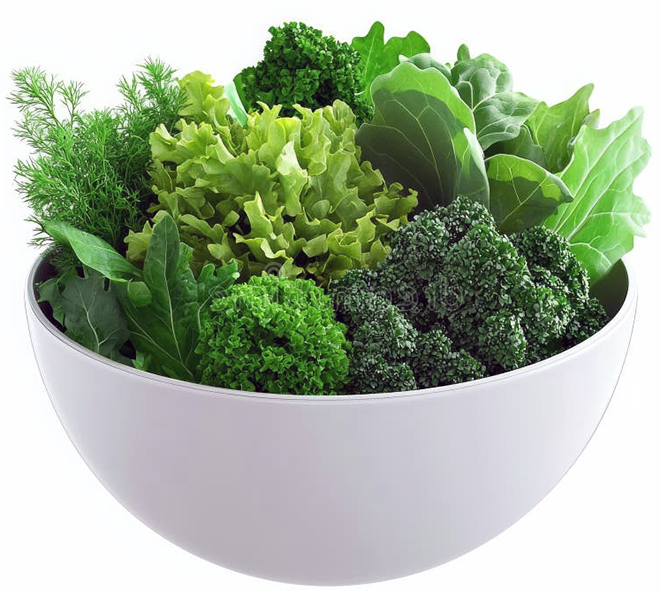 Mixed leafy greens in a bowl
Welcome to FabulousFusionFood's Leafy Greens-based Recipes Page —Leaf vegetables, also called leafy greens, vegetable greens, or simply greens, are plant leaves eaten as a vegetable. Those eaten raw in a salad can be called salad greens, whereas leaf vegetables eaten cooked can be called pot herbs.
Nearly 1,000 species of plants with edible leaves are known. Leaf vegetables most often come from short-lived herbaceous plants, such as lettuce and spinach, but also come from some woody plants. The leaves of many fodder crops (e.g. alfalfa, clover, and most grasses) are also edible by humans, but usually only as famine or processed food.
The leaves of many fodder crops are also edible by humans, but usually only as famine food. Examples include alfalfa, clover, and most grasses, including wheat and barley. Food processing, such as drying and grinding into powder or pulping and pressing for juice, may involve these crop leaves in a diet.
Leaf vegetables contain many typical plant nutrients, but being photosynthetic tissues, their vitamin K levels are particularly notable. Accordingly, users of vitamin K antagonist medications like warfarin must limit their consumption of leaf vegetables.
If leaves are cooked for food, they may be referred to in the United States as boiled greens. Leaf vegetables may be stir-fried, stewed, steamed, or consumed raw. Leaf vegetables stewed with pork is a traditional dish in soul food and Southern U.S. cuisine. They are also commonly eaten in South Asian dishes such as saag. Leafy greens can be used to wrap other ingredients into an edible package like a tortilla. Many green leafy vegetables, such as lettuce or spinach, can also be eaten raw, for example, in sandwiches or salads. A green smoothie enables large quantities of raw leafy greens to be consumed by blending the leaves with fruit and water.
The brassicaceae is a medium-sized and economically important family of flowering plants commonly known as the mustards, the crucifers, or the cabbage family. The family contains the cruciferous vegetables, including species such as Brassica oleracea (cultivated as cabbage, kale, cauliflower, broccoli and collards), Brassica rapa (turnip, Chinese cabbage, etc.), Brassica napus (rapeseed, etc.), Raphanus sativus (common radish), Armoracia rusticana (horseradish), the cut-flower Matthiola (stock) and the model organism Arabidopsis thaliana (thale cress).
This family includes important agricultural crops, particularly leafy greens, among which many vegetables such as cabbage, broccoli, cauliflower, kale, Brussels sprouts, collard greens, Savoy, kohlrabi, and gai lan (Brassica oleracea), turnip, napa cabbage, mizuna, bok choy and rapini (Brassica rapa), rocket salad/arugula (Eruca sativa), garden cress (Lepidium sativum), watercress (Nasturtium officinale) and radish (Raphanus) and a few spices like horseradish (Armoracia rusticana), wasabi (Eutrema japonicum), white, brown and black mustard (Sinapis alba, Brassica juncea and B. nigra respectively). Even if not specifically grown as leafy green vegetables, the leaves of the majority of these species can be and are consumed.
Outside the brassicaceae, the Amaranthaceae or Amaranth family are a major source of leafy greens worldwide, with the most common and well known species being Spinacia oleracea or spinach. Its leaves are a common vegetable consumed either fresh, cooked or after storage (using preservation techniques like canning, freezing, or dehydration). The taste differs considerably between cooked and raw: the high oxalate content may be reduced by blanching. So common is spinach as a leafy green that it's used as a common substitute for other local leafy greens.
Note that beetroot, a source of both an edible taproot and leafy greens. Beta vulgaris is also a member of the Amaranthaceae family, as is the closely related chard (Beta vulgaris subsp. vulgaris) which is grown for its edible stems and leafy greens.
In Africa, the leaves of cassava plants and sweet potato plants are widely consumed and leafy greens sourced from the wild are used to supplement the diet in countries across the globe.
The alphabetical list of all the leafy greens-based recipes on this site follows, (limited to 100 recipes per page). There are 3031 recipes in total:
Page 19 of 31
| Ndambé Blanc (White Bean and Meat Stew) Origin: Senegal | Ngunza et Boule de Manioc (Ngunza and Cassava Balls) Origin: Central African Republic | Nyaba Origin: Sudan |
| Ndengu (Lentil Stew) Origin: Kenya | Nhangana com Coco (Cowpea Leaves with Coconuts) Origin: Mozambique | Nyete Greens with Peanut Butter Origin: South Sudan |
| Ndolé à la Viande (Bitterleaf with Meat) Origin: Cameroon | Niban Dashi (Stock For Vegetables and Dipping Sauces) Origin: Japan | Nyonya-style Curry with Eggs Origin: Malaysia |
| Ndomba de Poisson (Fish Cooked in Banana Leaves) Origin: Cameroon | Nicaraguan Salsa Criolla Origin: Nicaragua | Oarweed Chips Origin: Britain |
| Ndomba de Porc (Pork Cooked in Banana Leaves) Origin: Cameroon | Nigeria Challenge BIR Curry Origin: Fusion | Oarweed-cured Tuna Origin: Ireland |
| Nepalese Meat Masala Origin: Nepal | Nigerian Chicken Jollof Rice Origin: Nigeria | Oatmeal Porridge with Cavolo Nero and Bacon Origin: Britain |
| Nepalese Mustard Greens Bhutuwa Origin: Nepal | Nigerian Chicken Stew Origin: Nigeria | Oaxacan Black Beans with Avocado Leaf Origin: Mexico |
| Nepalese Mustard Greens Bhutuwa Origin: Nepal | Nigerian Fresh Fish Pepper Soup Origin: Nigeria | Obe Efo Elegusi (Egusi Soup) Origin: Nigeria |
| Nettle Aloo Origin: Fusion | Nigerian Goat Stew Origin: Nigeria | Ock-lam (Barbecued Pork with Mushrooms and Beans) Origin: Laos |
| Nettle and Sausage Soup Origin: Britain | Nigerian Guinea Fowl Stew Origin: Nigeria | Ofe Ugba (Ugba Soup) Origin: Nigeria |
| Nettle and Sorrel Omelette Origin: Ireland | Nigerian Guineafowl Pepper Soup Origin: Nigeria | Ofe-Owerri Soup Origin: Nigeria |
| Nettle and Spinach Cake Origin: Britain | Nigerian Spiced Goat Meat Pepper Soup Origin: Nigeria | Ofellas Assas (Roast Morsels) Origin: Roman |
| Nettle and Spinach Pancakes Origin: America | Nigerian Spiced Grasscutter Pepper Soup Origin: Nigeria | Ogbono Soup with Ugwu Origin: Nigeria |
| Nettle and Wild Garlic Soup Origin: Britain | Nigerian Spiced Mixed Meat Pepper Soup Origin: Nigeria | Ogbono Soup with Waterleaf Origin: Nigeria |
| Nettle Gnocchi with Dandelion Greens Origin: Britain | Nila Bumbu Acar (Sour Spicy Carp) Origin: Indonesia | Ohn Htamin (Burmese Coconut Rice) Origin: Myanmar |
| Nettle Gnudi Origin: Britain | Nilgiri Chicken Korma Origin: India | Okok (Eru Leaf Stew) Origin: Cameroon |
| Nettle Greens and Peanut Stew Origin: African Fusion | Nipplewort Crème Fraîche Origin: Britain | Okra with Seaweed Paste Origin: Fusion |
| Nettle Leaf Greens Origin: Britain | Njahi in Coconut Sauce (Kenyan Black Beans in Coconut Sauce) Origin: Kenya | Olan Origin: India |
| Nettle Pâté Origin: British | Njandu Curry (Kerala Crab Curry) Origin: India | Old Bay Seasoning Mix Origin: American |
| Nettle Purée Origin: Britain | Njeguški Pršut (Montenegrin Dry-cured Pork) Origin: Montenegro | Old-fashioned Home-made Sauerkraut Origin: Germany |
| Nettle Purée and Oatmeal Cakes (Nettle Purée Oatcakes) Origin: British | Nnam Owondo Origin: Cameroon | Old-fashioned Sweet Pickled Sea Sandwort Origin: Britain |
| Nettle Purée Fritters Origin: Britain | Nom Banh Chok Origin: Cambodia | Oleum Liburnicum Sic Facies (Liburnian Oil is Made Thus) Origin: Roman |
| Nettle Syrup Origin: Britain | Noodle Curry Paste Origin: Laos | Oluwombo Origin: Uganda |
| Nettle Tagliatelle Origin: Britain | Nori-nettle Gomasio Origin: Britain | Ombidi (Namibian Spinach Stew) Origin: Namibia |
| Nettle, Squash and Almond Curry Origin: Britain | Nori-wrapped Mochiko Chicken Origin: Hawaii | Omentata ita Fiunt (Smoked Liver Meatballs) Origin: Roman |
| Nettles Origin: Britain | Nori-wrapped Mochiko Pork Origin: Hawaii | Omled Sloj (Onion Greens Omelette) Origin: Welsh |
| New Caledonia Civet de Cerf (Venison Stew) Origin: New Caledonia | North Cornish Pea Soup Origin: England | Onion Bhaji Origin: India |
| New Potatoes in a Honey-mustard Dressing Origin: Jersey | North Indian Garam Masala Origin: India | Opor Ayam (Java Chicken Curry) Origin: Indonesia |
| New Year's Hopping John Origin: American | Noteye (Nutty) Origin: England | Opor Ayam Jawa (Javanese Coconut Curry Chicke) Origin: Indonesia |
| New York Style Hotdogs Origin: American | Nouméa Sauce au Chien Origin: New Caledonia | Or Lam Origin: Laos |
| New Zealand Chicken Curry Origin: New Zealand | Num Banh Choc (Rice Noodle Fish Soup) Origin: Cambodia | Orange Bergamot Nuts Origin: American |
| New Zealand Coconut Lamb Curry with Cashews Origin: New Zealand | Numb-fish (Electric Ray) Origin: Roman | Orange Salad Origin: Scotland |
| Nga Atoiba Thongba (Manipuri Broken Fish Curry) Origin: India | Nutty Rice Burgers Origin: Britain | |
| Ngukassa (Plantain Soup) Origin: Central African Republic | Nwa Mee Hinga (Oxtail and Watercress) Origin: Myanmar |
Page 19 of 31