FabulousFusionFood's Somaliland recipes Home Page
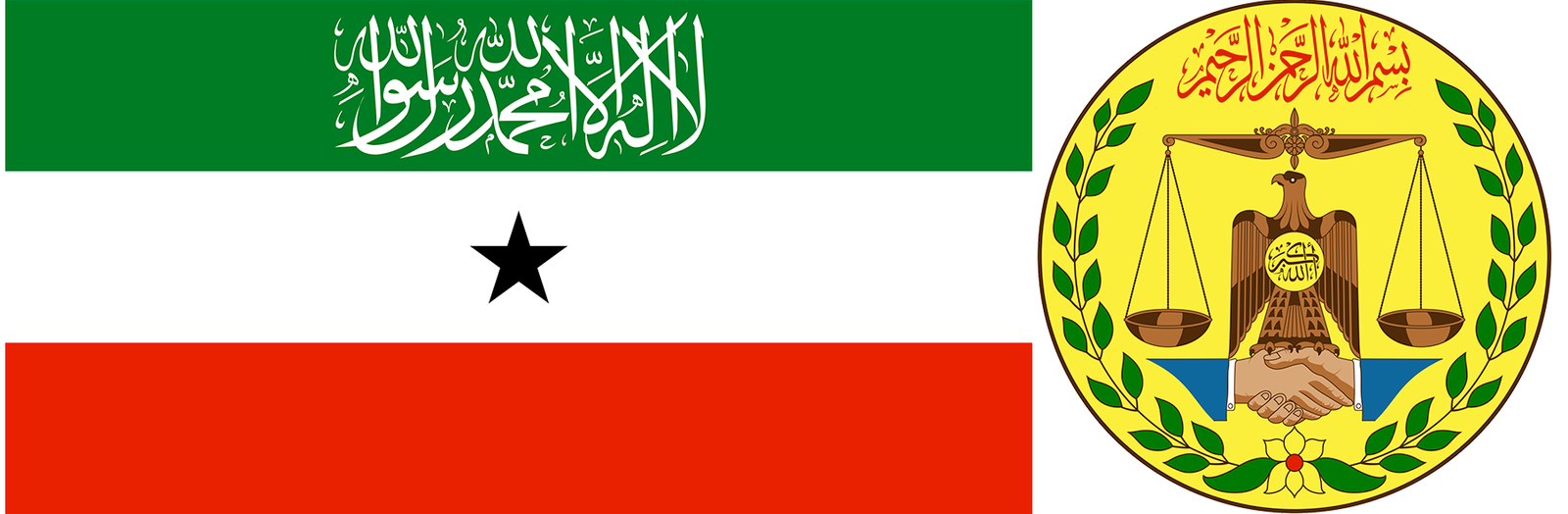 The flag of Somaliland (left) and the Coat of Arms (right).
Welcome to the summary page for FabulousFusionFood's Somaliland recipes, part of the African Continent. This page provides links to all the Somali recipes presented on this site, with 9 recipes in total.
Somaliland, (Somali: amhuuriyadda Soomaaliland; Arabic: الصومالجمهورية صوماليلاندtransliteration: Jumhūrīyat Ṣūmālīlānd), officially Republic of Somaliland is an unrecognised country in the Horn of Africa. It is located in the southern coast of the Gulf of Aden and bordered by Djibouti to the northwest, Ethiopia to the south and west, and Somalia to the east. The capital and largest city is Hargeisa.
Traditional Somaliland dishes are meat based and served with rice, pasta and flatbreads. People usually begin the day with a flat bread called anjero or laxoox, liver, and either cereal or porridge made of millet or cornmeal. The midday meal is the largest and consists of rice or pasta (pasta became very popular under Italian rule) with sauce and perhaps meat. The evening meal is very light and might include beans, muffo (patties made of Oats or corn) or a salad with more canjero. Despite Somalia's long coastline, fish consumption traditionally has been limited to coastal towns. This is mainly due to the traditionally nomadic nature of the indigenous population. Anjeera ( a bread similar to Ethiopian Injera) is another common staple and is served with most meals.
Somaliland, officially the Republic of Somaliland, is an unrecognised country in the Horn of Africa. It is located in the southern coast of the Gulf of Aden and bordered by Djibouti to the northwest, Ethiopia to the south and west, and Somalia to the east. Its claimed territory has an area of 176,120 square kilometres (68,000 sq mi), with approximately 6.2 million people as of 2024. The capital and largest city is Hargeisa.
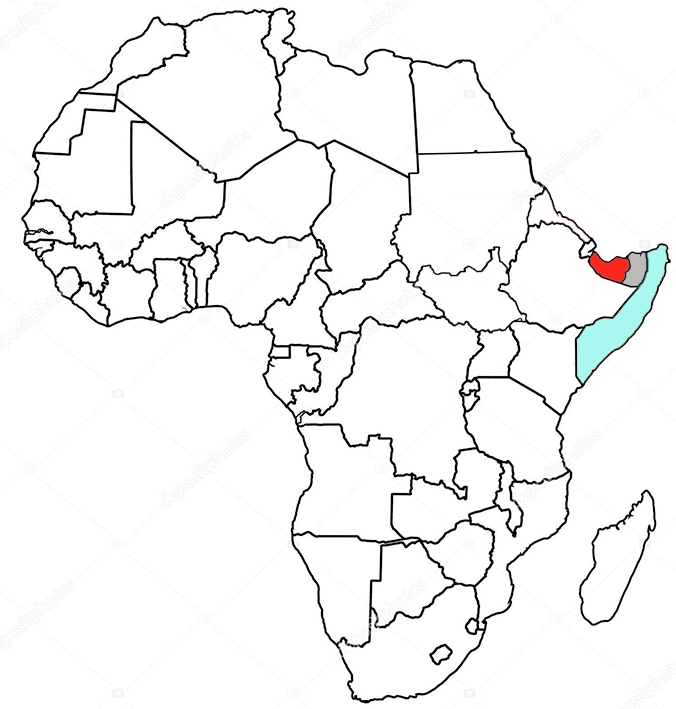 The image above shows Somaliland (in) in relation to Africa and Somalia in blue. The
territory of Waqooyi Bari (North Eastern State of Somalia) formerly part of Somaliland is in greyVarious Somali Muslim kingdoms were established in the area during the early Islamic period, including in the 14th to 15th centuries the Zeila-based Adal Sultanate. In the early modern period, successor states to the Adal Sultanate emerged, including the Isaaq Sultanate which was established in the middle of the 18th century. In the late 19th century, the United Kingdom signed agreements with various clans in the area, establishing the Somaliland Protectorate, which was formally granted independence by the United Kingdom as the State of Somaliland on 26 June 1960. Five days later, the State of Somaliland voluntarily united with the Trust Territory of Somalia (the former Italian Somalia) to form the Somali Republic. The union of the two states proved problematic early on, and in response to the harsh policies enacted by Somalia's Barre regime against the main clan family in Somaliland, the Isaaq, shortly after the conclusion of the disastrous Ogaden War, a 10-year war of independence concluded with the declaration of Somaliland's independence in 1991. The Government of Somaliland regards itself as the successor state to British Somaliland.
Since 1991, the territory has been governed by democratically elected governments that seek international recognition as the government of the Republic of Somaliland. The central government maintains informal ties with some foreign governments, who have sent delegations to Hargeisa; Somaliland hosts representative offices from several countries, including Ethiopia and Taiwan. However, Somaliland's self-proclaimed independence has not been officially recognised by any UN member state or international organisation. It is the largest unrecognised state in the world by de facto controlled land area. It is a member of the Unrepresented Nations and Peoples Organization, an advocacy group whose members consist of indigenous peoples, minorities and unrecognised or occupied territories. Following the Las Anod conflict that emerged in 2022, Somaliland lost control of a significant portion of its eastern territory to pro-unionist forces who established the SSC-Khatumo administration.
Etymology: The name Somaliland is derived from two words: 'Somali' and 'land'. The area was named when Britain took control from the Egyptian administration in 1884, after signing successive treaties with the ruling Somali Sultans from the Isaaq, Issa, Gadabursi, and Warsangali clans. The British established a protectorate in the region referred to as British Somaliland. In 1960, when the protectorate became independent from Britain, it was called the State of Somaliland. Five days later, on 1 July 1960, Somaliland united with the Trust Territory of Somaliland under Italian Administration (the former Italian Somaliland). The name 'Republic of Somaliland' was adopted upon the declaration of independence following the Somali Civil War in 1991
Somaliland, (Somali: amhuuriyadda Soomaaliland; Arabic: الصومالجمهورية صوماليلاندtransliteration: Jumhūrīyat Ṣūmālīlānd), officially Republic of Somaliland is an unrecognised country in the Horn of Africa. It is located in the southern coast of the Gulf of Aden and bordered by Djibouti to the northwest, Ethiopia to the south and west, and Somalia to the east. The capital and largest city is Hargeisa.
Traditional Somaliland dishes are meat based and served with rice, pasta and flatbreads. People usually begin the day with a flat bread called anjero or laxoox, liver, and either cereal or porridge made of millet or cornmeal. The midday meal is the largest and consists of rice or pasta (pasta became very popular under Italian rule) with sauce and perhaps meat. The evening meal is very light and might include beans, muffo (patties made of Oats or corn) or a salad with more canjero. Despite Somalia's long coastline, fish consumption traditionally has been limited to coastal towns. This is mainly due to the traditionally nomadic nature of the indigenous population. Anjeera ( a bread similar to Ethiopian Injera) is another common staple and is served with most meals.
Somaliland, officially the Republic of Somaliland, is an unrecognised country in the Horn of Africa. It is located in the southern coast of the Gulf of Aden and bordered by Djibouti to the northwest, Ethiopia to the south and west, and Somalia to the east. Its claimed territory has an area of 176,120 square kilometres (68,000 sq mi), with approximately 6.2 million people as of 2024. The capital and largest city is Hargeisa.
The image above shows Somaliland (in) in relation to Africa and Somalia in blue. Theterritory of Waqooyi Bari (North Eastern State of Somalia) formerly part of Somaliland is in grey
Since 1991, the territory has been governed by democratically elected governments that seek international recognition as the government of the Republic of Somaliland. The central government maintains informal ties with some foreign governments, who have sent delegations to Hargeisa; Somaliland hosts representative offices from several countries, including Ethiopia and Taiwan. However, Somaliland's self-proclaimed independence has not been officially recognised by any UN member state or international organisation. It is the largest unrecognised state in the world by de facto controlled land area. It is a member of the Unrepresented Nations and Peoples Organization, an advocacy group whose members consist of indigenous peoples, minorities and unrecognised or occupied territories. Following the Las Anod conflict that emerged in 2022, Somaliland lost control of a significant portion of its eastern territory to pro-unionist forces who established the SSC-Khatumo administration.
Etymology: The name Somaliland is derived from two words: 'Somali' and 'land'. The area was named when Britain took control from the Egyptian administration in 1884, after signing successive treaties with the ruling Somali Sultans from the Isaaq, Issa, Gadabursi, and Warsangali clans. The British established a protectorate in the region referred to as British Somaliland. In 1960, when the protectorate became independent from Britain, it was called the State of Somaliland. Five days later, on 1 July 1960, Somaliland united with the Trust Territory of Somaliland under Italian Administration (the former Italian Somaliland). The name 'Republic of Somaliland' was adopted upon the declaration of independence following the Somali Civil War in 1991
Somaliland Cuisine
Traditionally, the main meal of the day is eaten at lunchtime and Somali people usually begin their day with a flat bread called Laxoox or La'hooh, liver, toast, cereal or porridge made of millet or cornmeal. Lunch can be a mix of rice or noodles with meat and sauce. When the Italians ruled the Horn of Africa they brought some of their cuisine to Somaliland for example Pasta Al Forno (in Somali Paasto Forno) and they also planted bananas in the south of the region. Also during Lunch they diet may consist of a traditional soup called maraq (it is also part of Yemeni cuisine) made of vegetables, meat and beans and usually eaten with Flat bread or Pitta bread. Later in the day a lighter meal is served which includes beans, Ful medames, muffo (patties made of oats or corn), Hummus or a salad with more Laxoox/Injera. Somalilanders drink Somaliland coffee that is grown in Somaliland. Somaliland tea is also drunk in Somaliland, it's one of the famous drinks in the region—the Shah Hawaash. The majority drink a traditional and cultural tea known as Shah Hawaash, it is made of cardamom (Somali Hawaash) and cinnamon barks (Somali Qoronfil).Somaliland's National Dishes:
Below are listed the dishes considered to be Somaliland's national foods along with links to the recipes for those dishes:| Bariis Iskukaris Origin: Somaliland |
The alphabetical list of all Somaliland recipes on this site follows, (limited to 100 recipes per page). There are 9 recipes in total:
Page 1 of 1
| Bariis Iskukaris Origin: Somaliland | Hilib Ari (Somaliland Camel Meat Kebabs) Origin: Somaliland | Mushaari Origin: Somaliland |
| Bariis Iskukaris Origin: Somaliland | Laxoox Origin: Somaliland | Muufo (Somali Bread) Origin: Somaliland |
| Ful Medames Origin: Somaliland | Maraq Fahfah (Somali Soup) Origin: Somaliland | Paasto Forno (Somali Pasta al Forno) Origin: Somaliland |
Page 1 of 1