FabulousFusionFood's Spice Guide for Asafoetida Home Page
 Asafoetida, a spice
made from the
crystallised dried
sap of Ferula
assafoetida.
Asafoetida, a spice
made from the
crystallised dried
sap of Ferula
assafoetida.
Welcome to the summary page for FabulousFusionFood's Spice guide to Asafoetida along with all the Asafoetida containing recipes presented on this site, with 152 recipes in total.
This is a continuation of an entire series of pages that will, I hope, allow my visitors to better navigate this site. As well as displaying recipes by name, country and region of origin I am now planning a whole series of pages where recipes can be located by meal type and main ingredient. This page gives a listing of all the spice-based recipes added to this site.
These recipes, all contain Asafoetida as a major flavouring.
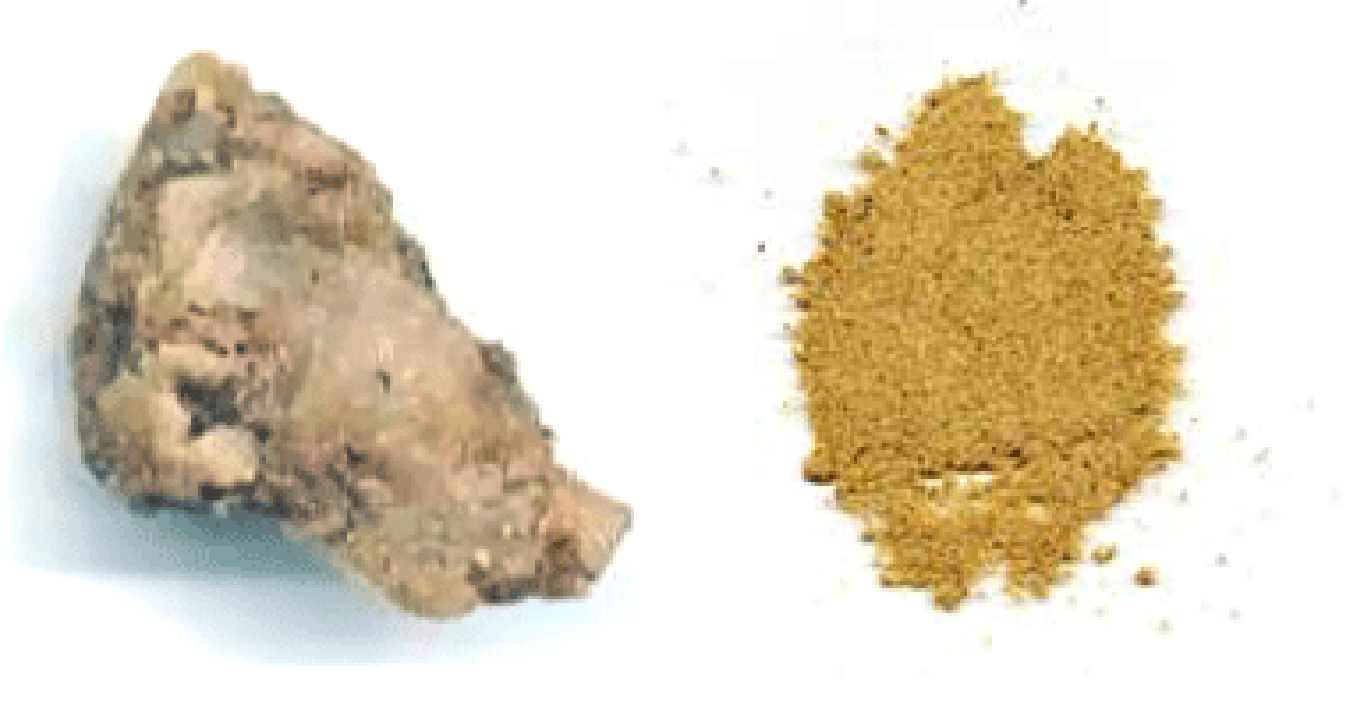
Asafoetida (also known as Asafetida, Stinking Gum, Devil's Dung, Hing) Ferula assafoetida is a member of the Apiaceae family that also includes carrots, parsley, cumin, caraway and fennel. It is a herbaceous perennial plant growing to 2 m tall, with stout, hollow, somewhat succulent stems 5–8 cm diameter at the base of the plant. The leaves are 30–40 cm long usually finely-divided. The flowers are yellow, produced in large compound umbels. The spice asafoetida is actually the resin-like gum which comes from the dried sap extracted from the stem and roots. This is greyish-white when fresh, but dries to a dark amber colour (see left-hand image). Pure asafoetida resin is very hard and difficult to grate. As a result it is traditionally crushed between stones or with a hammer. Today, the most commonly available form is compounded asafoetida, a fine powder containing 30% asafoetida resin, along with rice flour and gum arabic.
The spice has a very strong odour which can be nauseating in large quantities and if not kept in an air-tight container will actually contaminate any nearby spices. Once cooked, however, the smell diminishes and asafoetida develops an oniony taste. The spice's name is derived from the Persian asa (resin) and the Latin foetida (a reference to its strong smell).
In Roman times there was a plant known as Silphium (also silphion and laser). It is generally considered to be a form of 'giant fennel' (Ferula tingaitana) that became extinct in North Africa due to over-harvesting (and was imported instead from Syria, Iraq and Iran) and formed the crux of trade from Cyrene (Libya) to the Roman Empire. The valuable product was the resin (laser, laserpicium, or lasarpicium) of the plant. It was harvested in a manner similar to asafoetida, a plant with similar enough qualities to silphium that Romans, including the geographer Strabo, used the same word to describe both. Silphium became extinct in North Africa during the first century CE, probably due to a combination of over-collection and over-grazing (but has returned in modern times). The Romans substituted asafoetida, though the taste was deemed 'not as good'. The Romans used to make their asafoetida 'everlasting' by mixing the spice with pine nuts so that the pine nuts absorbed the flavour of the spice. These were then ground and used as a seasoning.
Though not used much in European cookery these days, it is an important spice in Indian cookery, where it is known as 'hing' where it is used almost ubiquitously in bean and pulse dishes (particularly in South India). Typically the resin, rather than the dried powder is used and this is first fried in hot fat or oil before use. This both helps dissolve the resin and mellows the flavour, yielding an oniony note.
Asafoetida-infused oil is excellent in enhancing the flavour of mushroom and vegetable dishes. It can also be added to marinades intended for grilled or barbecued meat and yields and interesting and unique flavour.
Dried asafetida consists mostly of a resin (25 to 60% of the total mass, 60% of which are esters of ferula acid) and a complex carbohydrate part (25 to 30%). The essential oil (10%) contains a wealth of sulfur compounds, mainly (R)-2-butyl-1-propenyl disulphide (50%), 1-(1-methylthiopropyl) 1-propenyl disulphide and 2-butyl-3-methylthioallyl disulphide. Furthermore, di-2-butyl trisulphide, 2-butyl methyl trisulphide, di-2-butyl disulphide and even di-2-butyl tetrasulphide have been found.
Various species of genus Ferula grow wild from the Eastern Mediterranean to Central Asia. Most important as spice is F. assa-foetida, although one reads occasionally about other species (F. persica, F. alliacea, F. foetida and F. narthex) as inferior substitutes or adulterations. All these species are native to Central Asia (Iran to Afghanistan) and are, to my knowledge, not cultivated anywhere else.
The unpleasant smell of raw asafoetida has resulted in the common epithet of 'devil's dung' for the spice.
This is a continuation of an entire series of pages that will, I hope, allow my visitors to better navigate this site. As well as displaying recipes by name, country and region of origin I am now planning a whole series of pages where recipes can be located by meal type and main ingredient. This page gives a listing of all the spice-based recipes added to this site.
These recipes, all contain Asafoetida as a major flavouring.
Asafoetida (also known as Asafetida, Stinking Gum, Devil's Dung, Hing) Ferula assafoetida is a member of the Apiaceae family that also includes carrots, parsley, cumin, caraway and fennel. It is a herbaceous perennial plant growing to 2 m tall, with stout, hollow, somewhat succulent stems 5–8 cm diameter at the base of the plant. The leaves are 30–40 cm long usually finely-divided. The flowers are yellow, produced in large compound umbels. The spice asafoetida is actually the resin-like gum which comes from the dried sap extracted from the stem and roots. This is greyish-white when fresh, but dries to a dark amber colour (see left-hand image). Pure asafoetida resin is very hard and difficult to grate. As a result it is traditionally crushed between stones or with a hammer. Today, the most commonly available form is compounded asafoetida, a fine powder containing 30% asafoetida resin, along with rice flour and gum arabic.
The spice has a very strong odour which can be nauseating in large quantities and if not kept in an air-tight container will actually contaminate any nearby spices. Once cooked, however, the smell diminishes and asafoetida develops an oniony taste. The spice's name is derived from the Persian asa (resin) and the Latin foetida (a reference to its strong smell).
In Roman times there was a plant known as Silphium (also silphion and laser). It is generally considered to be a form of 'giant fennel' (Ferula tingaitana) that became extinct in North Africa due to over-harvesting (and was imported instead from Syria, Iraq and Iran) and formed the crux of trade from Cyrene (Libya) to the Roman Empire. The valuable product was the resin (laser, laserpicium, or lasarpicium) of the plant. It was harvested in a manner similar to asafoetida, a plant with similar enough qualities to silphium that Romans, including the geographer Strabo, used the same word to describe both. Silphium became extinct in North Africa during the first century CE, probably due to a combination of over-collection and over-grazing (but has returned in modern times). The Romans substituted asafoetida, though the taste was deemed 'not as good'. The Romans used to make their asafoetida 'everlasting' by mixing the spice with pine nuts so that the pine nuts absorbed the flavour of the spice. These were then ground and used as a seasoning.
Though not used much in European cookery these days, it is an important spice in Indian cookery, where it is known as 'hing' where it is used almost ubiquitously in bean and pulse dishes (particularly in South India). Typically the resin, rather than the dried powder is used and this is first fried in hot fat or oil before use. This both helps dissolve the resin and mellows the flavour, yielding an oniony note.
Asafoetida-infused oil is excellent in enhancing the flavour of mushroom and vegetable dishes. It can also be added to marinades intended for grilled or barbecued meat and yields and interesting and unique flavour.
Dried asafetida consists mostly of a resin (25 to 60% of the total mass, 60% of which are esters of ferula acid) and a complex carbohydrate part (25 to 30%). The essential oil (10%) contains a wealth of sulfur compounds, mainly (R)-2-butyl-1-propenyl disulphide (50%), 1-(1-methylthiopropyl) 1-propenyl disulphide and 2-butyl-3-methylthioallyl disulphide. Furthermore, di-2-butyl trisulphide, 2-butyl methyl trisulphide, di-2-butyl disulphide and even di-2-butyl tetrasulphide have been found.
Various species of genus Ferula grow wild from the Eastern Mediterranean to Central Asia. Most important as spice is F. assa-foetida, although one reads occasionally about other species (F. persica, F. alliacea, F. foetida and F. narthex) as inferior substitutes or adulterations. All these species are native to Central Asia (Iran to Afghanistan) and are, to my knowledge, not cultivated anywhere else.
The unpleasant smell of raw asafoetida has resulted in the common epithet of 'devil's dung' for the spice.
The alphabetical list of all Asafoetida recipes on this site follows, (limited to 100 recipes per page). There are 152 recipes in total:
Page 1 of 2
| Aam Aur Podina ki Chatni (Mango and Mint Chutney) Origin: India | Citrium (Citron) Origin: Roman | Ius in Cervum (Sauce for Venison) Origin: Roman |
| Alicam vel sucum tisanae (Spelt or Barley Gruel) Origin: Roman | Cochleas (Snails) Origin: Roman | Ius in elixam anethatum crudum (Aniseed Marinade for Pork Delicacies) Origin: Roman |
| Aliter Assaturas (Another Sauce for Roast Meat) Origin: Roman | Coconut Chutney Origin: India | Ius in elixam omnem (Sauce for All Boiled Meats) Origin: Roman |
| Aliter assaturas (Roast Meats, Another Way) Origin: Roman | Cooked Rice Dosa Origin: India | Ius in lacertos elixos (Boiled Mackerel with Sauce) Origin: Roman |
| Aliter Haedinam sive Agninam Excaldatam (Roast Kid or Lamb) Origin: Roman | Copadia Haedina Sive Agnina (Choice Cuts of Kid or Lamb) Origin: Roman | Ius in Ovifero Fervens (Hot Sauce for Wild Sheep) Origin: Roman |
| Aliter Haedum sive Agnum Assum (Roast Kid or Lamb, Another Way) Origin: Roman | Courgette Curry with Himalayan Balsam Seed Pods Origin: Britain | Ius in pisce rubellione (Sauce for Red Snapper) Origin: Roman |
| Aliter Haedus sive Agnus Syringiatus (Boned Suckling Kid or Lamb, Another Way) Origin: Roman | Cucurbitas cum Gallina (Gourds with Chicken) Origin: Roman | Kadhi Origin: India |
| Aliter in Apro III (Wild Boar, Another Way III) Origin: Roman | Dal Tadka (Lentil Curry, Restaurant Style) Origin: India | Khatta Meetha (Cabbage Curry) Origin: India |
| Aliter in Palumbis sive Columbis II (Sauce for Boiled Wood Pigeons and Doves, Another Way II) Origin: Roman | Dal Takda (Lentil Curry, Restaurant Style) Origin: India | Khichiri Origin: India |
| Aliter Ius Frigidum in Aprum Elixum (Cold Sauce for Boiled Wild Boar, Another Way) Origin: Roman | Dhal Dhokla Origin: India | Kokum Kari (Kokam Curry) Origin: India |
| Aliter Laseratum (Another Hing Sauce) Origin: Roman | Garlic Mustard Greens Bhutuwa Origin: Fusion | Lashun ka Achar (Indian Garlic Pickle) Origin: India |
| Aliter Lenticulam (Lentils, Another Way) Origin: Roman | Goda Masala Origin: India | Lenticulam de castaneis (Lentils and Chestnuts) Origin: Roman |
| Aliter Leporem ex Suo Iure (Another, Hare in its Own Gravy) Origin: Roman | Gongura Pappu (Sorrel Leaf Dal) Origin: India | Leporem Madidum (Soaked Hare) Origin: Roman |
| Aliter Pisam Sive Faba (Peas or Broad Beans, Another Way) Origin: Roman | Gruem vel anatem (Crane or Duck in Spiced Gravy) Origin: Roman | Liver Oxyrhynchus Origin: Roman |
| Aliter Porcellum (Suckling Pig, Another Way) Origin: Roman | Gruem vel Anatem ex Rapis (Crane or Duck with Turnips) Origin: Roman | Malabar Peralan (Malabar Fish Roast) Origin: India |
| Aliter tisanam (Barley Soup, Another Way) Origin: Roman | Gummadikaya Majjiga Pulusu (White Pumpkin Yogurt Stew) Origin: India | Masale Baath (Maharashtrian Spicy Vegetable Rice) Origin: India |
| Aliter Tubera V (Truffles, Another Way V) Origin: Roman | Gustum de Cucurbitis (Gourd Antipasto) Origin: Roman | Minutal Dulce ex Citriis (Sweet Citron Ragout) Origin: Roman |
| Aloo Bhaji Origin: India | Haedum Laseratum (Kid Goat Seasoned with Laser) Origin: Roman | Minutal Matianum (Pork with Apples) Origin: Roman |
| Aloo Masala (Potato Masala) Origin: India | Haedum Laureatum ex Lacte (Suckling Kid Crowned with Laurel and Milk [Sausage]) Origin: Roman | Moongre ki Subzi (Radish Pod and Potato Sauté) Origin: India |
| Aloo Palya (Potato Curry) Origin: India | Haedum sive Agnum Parthicum (Parthian Kid or Lamb) Origin: Roman | Mor Kulambu Origin: India |
| Andhra Pappu Charu (Andhra-style Lentil Puree Curry) Origin: India | Hinga Mirsang (Green Chillies in Asafoetida) Origin: India | Muland Saangi Ambat (Radish Pod Gravy) Origin: India |
| Aper ita conditur (Seasoned Wild Boar) Origin: Roman | In Polypo (Of Octopus) Origin: Roman | Mullangi Sambar (White Radish Sambar) Origin: India |
| Arroz Amarillo Con Achiote (Caribbean Yellow Rice) Origin: Cuba | In Pullo Elixo ius Crudum (Uncooked Sauce for Boiled Chicken) Origin: Roman | Myma (Baked Plaice) Origin: Roman |
| Athenian Cabbage Origin: Roman | In Struthione elixo (Boiled Ostrich) Origin: Roman | Nadru Yakhni Curry (Lotus Stem and Yoghurt Curry) Origin: India |
| Bajiyos (Djiboutian Potato Pakoras) Origin: Djibouti | In Vulva [et] Sterili ([Sauce] for Sterile Sow's Womb) Origin: Roman | Nepalese Meat Masala Origin: Nepal |
| Beetroot Sabzi (Beetroot Curry) Origin: India | Indian Chilli Pickle Origin: India | Nepalese Mustard Greens Bhutuwa Origin: Nepal |
| Bori (Bengali Baked Dumplings) Origin: India | Isicia Marina (Seafood Patties) Origin: Roman | Nepalese Mustard Greens Bhutuwa Origin: Nepal |
| Bottle Masala Chicken Curry Origin: Britain | Isicia Ova et Cerebella (Egg and Brain Sausages) Origin: Roman | New Potato Curry Origin: Britain |
| Bygan Dhal Origin: India | Item Aliam ad Eum Impensam (The Same Thing, With Other Ingredients) Origin: Roman | Nga Atoiba Thongba (Manipuri Broken Fish Curry) Origin: India |
| Callum, Libelli, Coticulae, Ungellae (Skin, Crackling, Spare Ribs and Trotters) Origin: Roman | Ius Album in Assum Leporem (Hare's Blood, Liver and Lung Ragout) Origin: Roman | Nilgiri Chicken Korma Origin: India |
| Carlin Pea Curry with Perpetual Spinach and Peanut Butter Origin: Britain | Ius Candidum in Ansere Elixo (White Sauce for Boiled Goose) Origin: Roman | Ofellas Garaton (Morsels with Fish-sauce) Origin: Roman |
| Chaat Masala Origin: India | Ius diabotanon in pisce frixo (Fish in Herb Sauce) Origin: Roman | Ofellas Ostienses (Ostian-style Starters) Origin: Roman |
| Chatpate Neebu (Lemon Sour Pickle) Origin: India | Ius Diabotanon in Pisce Frixo (A Herb Sauce for Fried Fish) Origin: Roman | |
| Chole (Chickpea Curry) Origin: India | Ius in Aprum Elixum (Sauce for Boiled Wild Boar) Origin: Roman |
Page 1 of 2