FabulousFusionFood's Spice Guide for Aniseed Home Page
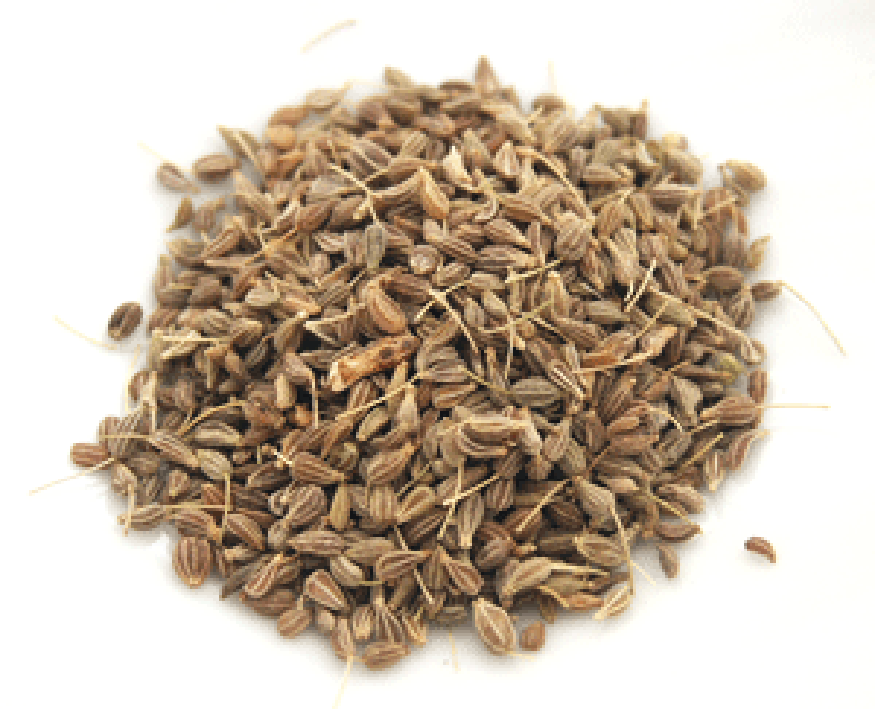 Aniseed, the seed
pods of
Pimpinella
anisum.
Aniseed, the seed
pods of
Pimpinella
anisum.
Welcome to the summary page for FabulousFusionFood's Spice guide to Aniseed along with all the Aniseed containing recipes presented on this site, with 91 recipes in total.
This is a continuation of an entire series of pages that will, I hope, allow my visitors to better navigate this site. As well as displaying recipes by name, country and region of origin I am now planning a whole series of pages where recipes can be located by meal type and main ingredient. This page gives a listing of all the spice-based recipes added to this site.
These recipes, all contain Aniseed as a major flavouring.
Aniseed (also known as Anise or Anís) are the seed pods (fruit) of Pimpinella anisum a herbacious flowering plant of the family Apiaceae (also known as Umbelliferae). As such it is a member of a huge family that contains carrots, cumin, caraway and fennel. The plant is native to the eastern Mediterranean and southwest Asia and grows to 50cm tall. The leaves at the base of the plant are simple, 2-5 cm long and shallowly lobed, while leaves higher on the stems are feathery pinnate, divided into numerous leaflets.
The flowers are white, 3mm in diameter, produced in dense umbrella-like umbels. The seed-like fruit (generally referred to as aniseed) are dry oblong schizocarps (ie it develops from multiple carpels) that are usually 3–5 mm long. This can be lightly roasted to enhance the flavour and both whole seeds and ground seeds are used as a spice. Middle Eastern, Portuguese, German, Italian and French cuisines use anise in seasoning blends such as curry, hoisin, sausage and pepperoni seasonings. Crushed seeds are also often used in cakes and breads and are used to flavour stews and seafood dishes.
Aniseed is one of the classic 'sweet' spices and its aroma is sweet and very aromatic (somewhat reminiscent of the herb cicely). The major aromatic component of aniseed is trans-anethole, with additional notes provided by estragol, anise aldehyde, anise alcohol, p-methoxy-acetophenone, pinene, limonene and γ-himachalene. In most European languages the plant's name is derived from the Latin anisum which, in turn, is derived from the Greek anison [ἄνισον] or anneson [ἄννησον] by confusion with dill, which in Greek was known as aneton [ἄνητον].
This is a very versatile spice with a rather heady aroma which explains its versatility. Aniseed is also believed to be a substance that enhances lactation. Aniseed is also used in anise-flavored liqueurs (such as raki, arak and ouzo) and is the dominant ingredient used in absinthe.
The aroma of the essential oil (up to 3% in the fruits) is dominated by trans-anethole (max. 90%). Additional aroma components are estragol (iso-anethol, 2%), anise aldehyde (less than 1%), anise alcohol, p-methoxy-acetophenone, pinene, limonene, γ-himachalene (2%). An unusual compound is the phenol ester 4-methoxy-2-(1-propene-yl)-phenol-2-methyl-butyrate, which is characteristic for anise (5%).
This is a continuation of an entire series of pages that will, I hope, allow my visitors to better navigate this site. As well as displaying recipes by name, country and region of origin I am now planning a whole series of pages where recipes can be located by meal type and main ingredient. This page gives a listing of all the spice-based recipes added to this site.
These recipes, all contain Aniseed as a major flavouring.
Aniseed (also known as Anise or Anís) are the seed pods (fruit) of Pimpinella anisum a herbacious flowering plant of the family Apiaceae (also known as Umbelliferae). As such it is a member of a huge family that contains carrots, cumin, caraway and fennel. The plant is native to the eastern Mediterranean and southwest Asia and grows to 50cm tall. The leaves at the base of the plant are simple, 2-5 cm long and shallowly lobed, while leaves higher on the stems are feathery pinnate, divided into numerous leaflets.
The flowers are white, 3mm in diameter, produced in dense umbrella-like umbels. The seed-like fruit (generally referred to as aniseed) are dry oblong schizocarps (ie it develops from multiple carpels) that are usually 3–5 mm long. This can be lightly roasted to enhance the flavour and both whole seeds and ground seeds are used as a spice. Middle Eastern, Portuguese, German, Italian and French cuisines use anise in seasoning blends such as curry, hoisin, sausage and pepperoni seasonings. Crushed seeds are also often used in cakes and breads and are used to flavour stews and seafood dishes.
Aniseed is one of the classic 'sweet' spices and its aroma is sweet and very aromatic (somewhat reminiscent of the herb cicely). The major aromatic component of aniseed is trans-anethole, with additional notes provided by estragol, anise aldehyde, anise alcohol, p-methoxy-acetophenone, pinene, limonene and γ-himachalene. In most European languages the plant's name is derived from the Latin anisum which, in turn, is derived from the Greek anison [ἄνισον] or anneson [ἄννησον] by confusion with dill, which in Greek was known as aneton [ἄνητον].
This is a very versatile spice with a rather heady aroma which explains its versatility. Aniseed is also believed to be a substance that enhances lactation. Aniseed is also used in anise-flavored liqueurs (such as raki, arak and ouzo) and is the dominant ingredient used in absinthe.
The aroma of the essential oil (up to 3% in the fruits) is dominated by trans-anethole (max. 90%). Additional aroma components are estragol (iso-anethol, 2%), anise aldehyde (less than 1%), anise alcohol, p-methoxy-acetophenone, pinene, limonene, γ-himachalene (2%). An unusual compound is the phenol ester 4-methoxy-2-(1-propene-yl)-phenol-2-methyl-butyrate, which is characteristic for anise (5%).
The alphabetical list of all Aniseed recipes on this site follows, (limited to 100 recipes per page). There are 91 recipes in total:
Page 1 of 1
| Ad Aves Hircosas Omni Genere (How to Prepare 'High' Birds of Any Kind) Origin: Roman | Goan Lamb Xacutti Origin: India | Plat Songhay (Songhay Dish) Origin: Mali |
| Aliter assaturas (Roast Meats, Another Way) Origin: Roman | Gruem vel Anatem ex Rapis (Crane or Duck with Turnips) Origin: Roman | Porc-Colombo Origin: Guadeloupe |
| Aliter Avem (Birds, Another Way) Origin: Roman | Humintas (Bolivian Cornbread) Origin: Bolivia | Porcellum Coriandratum (Suckling Pig with Coriander Sauce) Origin: Roman |
| Aliter Ius Frigidum in Aprum Elixum (Cold Sauce for Boiled Wild Boar, Another Way) Origin: Roman | In Dentice Elixo (Sauce for Poached Bream) Origin: Roman | Porcellum Iscellatum (Sauce for Suckling Pig) Origin: Roman |
| Aliter Ius in Pisce Elixo II (Another Sauce for Poached Fish II) Origin: Roman | In Pullo Elixo ius Crudum (Uncooked Sauce for Boiled Chicken) Origin: Roman | Porcellum Thymo Sparsum (Suckling Pig Sprinkled with Thyme) Origin: Roman |
| Aliter Laseratum (Another Hing Sauce) Origin: Roman | Ius Frigidum in Aprum Elixum (Cold Sauce for Boiled Wild Boar) Origin: Roman | Powder Douce Origin: England |
| Aliter Leporem Conditum (Another, Seasoned Hare) Origin: Roman | Ius Frigidum in Porcellum Elixum (Cold Sauce for Boiled Suckling Pig) Origin: Roman | Pullum Anethatum (Aniseed Chicken) Origin: Roman |
| Amulatum Aliter II (Another Thick Sauce II) Origin: Roman | Ius in elixam anethatum crudum (Aniseed Marinade for Pork Delicacies) Origin: Roman | Pullum elixum cum cucurbitis elixis (Ancient Roman Aniseed Chicken) Origin: Roman |
| Anserem Elixum Calidum ex Iure Frigido Apiciano (Boiled Goose, Served Hot with Cold Apician Sauce) Origin: Roman | Kadee Origin: Middle East | Ras el hanout Origin: North Africa |
| Arepitas de Maiz (Cornmeal Fritters) Origin: Dominican Republic | Kari Ayam (Malaysian Chicken Curry) Origin: Malaysia | Sauce noyre for capons y rosted (Black Sauce for Roast Capons) Origin: England |
| Assabeh Tamr (Date Fingers) Origin: Arabic | Laganophake (Lentil Stew) Origin: Roman | Shellbread Origin: Britain |
| Balti Garam Masala Origin: India | Lambropsomo (Greek Easter Bread) Origin: Greece | Soupe d'Illane (Ilan Soup) Origin: Morocco |
| Beef Koftas with Fruity Couscous Origin: Morocco | Locustas Assas sic Facies (Roast Lobster is Made Thus) Origin: Roman | Springerle (German Christmas Cookies) Origin: Germany |
| Biriani de Poulet (Chicken Biriani) Origin: Mauritius | Malaysian Kurma Powder Origin: Malaysia | Sugar Plums Origin: Britain |
| Bisket Bread Origin: Britain | Meat and Fish Tempering Origin: India | Tisanam Barricam (Barley Soup with Dried Vegetables) Origin: Roman |
| Blank dessore (White Desire) Origin: England | Meghli (Lebanese Rice Pudding) Origin: Lebanon | Tisanam sic Facies (Barley Soup) Origin: Roman |
| Bolo de Mel Origin: Portugal | Meghli (Rice Flour Pudding) Origin: Lebanon | To make Char de Crabb (To make Crabapple Pie) Origin: England |
| Bori (Bengali Baked Dumplings) Origin: India | Minutal ex Praecoquis (Apricot Ragout) Origin: Roman | To make Gingerbread Origin: Britain |
| Brunei Murtabak (Meat Rotis) Origin: Brunei | Minutal ex Rosis (Ragout of Roses) Origin: Roman | To make Knotts or Gumballs Origin: Britain |
| Brunei Murtabak (Meat Rotis) Origin: Singapore | Morree (Mulberries) Origin: England | Tortas de Aceite (Sesame Seed and Aniseed Biscuits) Origin: Spain |
| Chinese Roast Goose Origin: American | Mullos Anethatos sic Facie (Red Mullets with Aniseed is Made Thus) Origin: Roman | Trini Goat and Duck Curry Powder Origin: Trinidad |
| Chyryse Origin: England | Mushroom and Burdock Soup Origin: Fusion | Trinidad Mauby Origin: Trinidad |
| Compost Origin: England | Mustacei (Must Rolls) Origin: Roman | Tsoureki (Greek Easter Bread) Origin: Greece |
| Conchicla Commodiana (Legumes à la Commodus) Origin: Roman | Nigerian Pepper Soup Seasonings Origin: Nigeria | Tukasu (Mutton Stew with Dumplings) Origin: Mali |
| Course Ginger Bread Origin: Britain | Ofellas Ostienses (Ostian-style Starters) Origin: Roman | Turdos Aponcomenos (Thrushes, Seasoned by the Throat) Origin: Roman |
| Duck Pilau Origin: India | Ostfriesisch (East Frisian New Year Cones) Origin: Germany | Vasilopita (New Year Cake) Origin: Cyprus |
| Easter Crown Bread Origin: Europe | Payne Foundow (Medieval Bread Pudding) Origin: England | Velvet Shank and Burdock Soup Origin: Fusion |
| Erbowle Origin: England | Perna Apruna ita Impletur Terentina (Filled Gammon of Wild Boar Terentine) Origin: Roman | Ventrem Plenum (Stuffed Pig's Stomach) Origin: Roman |
| Folar (Portuguese Easter Bread) Origin: Portugal | Phoenicoptero (Of Flamingo) Origin: Roman | Vulvulae Isiciatae (Forcemeat for Sow's Womb) Origin: Roman |
| Frontinianum Porcellum (Suckling Pig Stewed in Wine) Origin: Roman | Pisam Vitellianam sive fabam (Peas or Broad Beans Beans in a Herb Sauce) Origin: Roman | |
| Frontinianum Porcellum (Suckling Pig à la Fronto) Origin: Roman |
Page 1 of 1