FabulousFusionFood's Cheese-based Recipes 10th Page
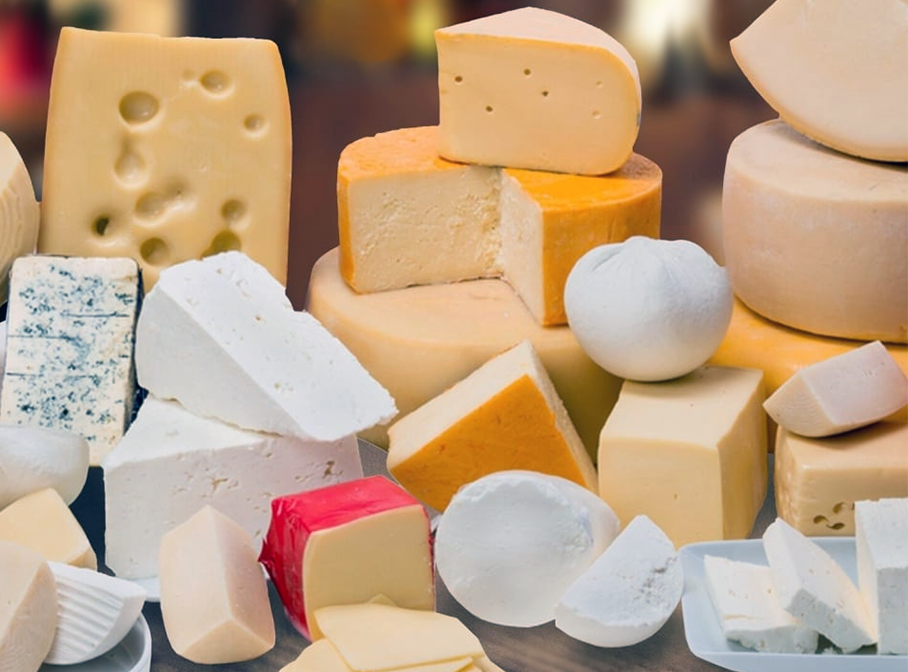 Mixed hard, soft and blue cheeses.
Welcome to FabulousFusionFood's Cheese-based Recipes Page — This is a continuation of an entire series of pages that will, I hope, allow my visitors to better navigate this site. As well as displaying recipes by name, country and region of origin I am now planning a whole series of pages where recipes can be located by meal type and main ingredient. This page gives a listing of all the cheese and cheese-based recipes added to this site.
Cheese is a type of dairy product formed by the coagulation of the milk protein casein. Prior to refrigeration, the production of cheese and yoghurts were some of the few ways that milk could be preserved for long-terms storage. It comprises proteins and fat from milk (usually the milk of cows, buffalo, goats or sheep). During production, milk is usually acidified and either the enzymes of rennet or bacterial enzymes with similar activity are added to cause the casein to coagulate. The solid curds are then separated from the liquid whey and pressed into finished cheese. Some cheeses have aromatic moulds on the rind, the outer layer, or throughout.
Most cheeses are acidified by bacteria, which turn milk sugars into lactic acid; the addition of rennet completes the curdling. Vegetarian varieties of rennet are available; most are produced through fermentation by the fungus Mucor miehei, but others have been extracted from Cynara thistles. For a few cheeses, the milk is curdled by adding acids such as vinegar or lemon juice.
The word cheese comes from Latin caseus, from which the modern word casein is derived. The earliest source is from the proto-Indo-European root *kwat-, which means "to ferment, become sour". That gave rise to cīese or cēse (in Old English) and chese (in Middle English). Similar words are shared by other West Germanic languages—West Frisian tsiis, Dutch kaas, German Käse, Old High German chāsi—all from the reconstructed West-Germanic form *kāsī, which in turn is an early borrowing from Latin.
When the Romans began to make hard cheeses for their legionaries' supplies, a new word started to be used: formaticum, from caseus formatus, or "cheese shaped in a mold". It is from this word that the French fromage, standard Italian formaggio, Catalan formatge, Breton fourmaj, and Occitan fromatge (or formatge) are derived. Of the Romance languages, Spanish, Portuguese, Romanian, Tuscan and some Southern Italian dialects use words derived from caseus (queso, queijo, caș, cacio and caso for example).
Cheese is an ancient food whose origins predate recorded history. There is no conclusive evidence indicating where cheesemaking originated, whether in Europe, Central Asia or the Middle East. The earliest proposed dates for the origin of cheesemaking range from around 8000 BCE, when sheep were first domesticated. Because animal skins and inflated internal organs have provided storage vessels for a range of foodstuffs since ancient times, it is probable that the process of cheese making was discovered accidentally by storing milk in a container made from the stomach of an animal, resulting in the milk being turned to curd and whey by the rennet from the stomach. There is a legend—with variations—about the discovery of cheese by an Arab trader who used this method of storing milk.
The recipes given here are sourced from around the world, and give a broad view of cheese-based dishes globally as well as presenting historical recipes from the ancient Greek and Roman worlds.
The alphabetical list of all the cheese-based recipes on this site follows, (limited to 100 recipes per page). There are 1429 recipes in total:
Page 10 of 15
| Pastai Pysgotwr (Fisherman's Pie) Origin: Welsh | Peynirli Bisküvi (Cheese Biscuits) Origin: Turkey | Pollo Mexicana (Chicken Mexicana) Origin: Mexico |
| Pastai Tatws (Potato Pie) Origin: Welsh | Peynirli Künefe (Turkish Cheesecake) Origin: Turkey | Poppy Seed and Lemon Cheesecake (Poppy Seed and Lemon Cheesecake/title>) Origin: Britain |
| Pastel De Choclo (Corn Pudding) Origin: Argentina | Philadelphia-style Butter Cake Origin: American | Poppy Seed Cheese Straws Origin: Britain |
| Pastel de Jamón (Ham Cakes) Origin: Peru | Phthois (Pastry Rounds) Origin: Roman | Porée de cresson (Stewed Cress) Origin: England |
| Pastel de Papas con Tres Quesos (Potato Cake with Three Cheeses) Origin: Peru | Picau Cenin a Bacwn Caerffili (Caerphilly Leek and Bacon Welsh Cakes) Origin: Welsh | Pork and Chorizo Enchiladas Origin: Mexico |
| Pastelillos de Guayaba (Guava Pastries) Origin: Puerto Rico | Pierogies Origin: Georgia | Portable Tacos Origin: America |
| Pastelitos de yuca con atún (Cassava and Tuna Pies) Origin: Colombia | Pineapple Rasmalai Origin: India | Potage Bananier (Congolese Banana Soup) Origin: DR-Congo |
| Pastelón (Sweet Plantain Lasagna) Origin: Puerto Rico | Pinsa Romana Origin: Italy | Potatas a la Huancaína (Huancaínan Potatoes) Origin: Peru |
| Pastelón de Arroz (Cheesy Beef and Rice Casserole) Origin: Dominican Republic | Pirohi Origin: Slovakia | Potato and Asparagus Salad Origin: Ireland |
| Pastelón de Harina de Maíz (Cornmeal and Beef Casserole) Origin: Dominican Republic | Pistachio Fudge Origin: American | Potato and Aubergine Layer Pie Origin: Britain |
| Pastelón de Papa (Dominican Cottage Pie) Origin: Dominican Republic | Pistachio Nut Pâté Origin: Spain | Potato and Broccoli Gratin with Goat's Cheese Origin: Ireland |
| Pašticada (Dalmatian Beef Stew with Prunes and Apples) Origin: Croatia | Pizza (Made Without Yeast) Origin: Argentina | Potato and Cheese Tikka Skewers Origin: British |
| Pastiera di Grano (Neapolitan Grain Pie) Origin: Italy | Pizza ai Fruiti di Mare (Seafood Pizza) Origin: Italy | Potato and Herb Terrine Origin: Ireland |
| Pastiera di Pasqua (Easter Ricotta Cake) Origin: Italy | Pizza alla Rustica Origin: Italy | Potato and Mixed Wild Mushroom Bake Origin: Britain |
| Pastiera Napoletana (Naples Easter Cakes) Origin: Italy | Pizza Calabrese (Calabrian Pizza) Origin: Italy | Potato and Onion Flan Origin: Ireland |
| Pastizzi ta' l-Incov (Anchovy Pastizzi) Origin: Malta | Pizza Cordon Bleu Origin: France | Potato Cakes with Mango Sauce Origin: Ireland |
| Patellam tyrotaricham ex quocumque salso volueris (A Dish of Cheese and Whichever Salt Fish you Wish) Origin: Roman | Pizza Giardiniera Origin: Italy | Potato Casserole Origin: Ireland |
| Patinam ex Lacte (Milk Casserole) Origin: Roman | Pizza Napoletana Origin: Italy | Potato Gnocchi Origin: Italy |
| Peach Melba Cheesecake Origin: Britain | Pizza Quattro Stagioni (Four Seasons Pizza) Origin: Italy | Potato Pizza Origin: Britain |
| Peaches with Creamy Mascarpone Filling Origin: Britain | Pizza Romana (Roman-style Cream Buns) Origin: Italy | Potato Pizza with Tomatoes, Aubergines and Basil Origin: Ireland |
| Peanut and Chicken Kebabs Origin: Britain | Pizza Romana (Roman-style Cream Buns) Origin: Vatican City | Potato Scones with Herbs Origin: Ireland |
| Peanut Butter Cheesecake Origin: Britain | Pizza Rustica (Italian Easter Ham Pie) Origin: Italy | Potato Sweets Origin: Ireland |
| Pear Soup with Bergamot Origin: British | Pizza Sauce Origin: Italy | Potato-topped Pizza Squares Origin: Ireland |
| Pecan Brie Tarts Origin: Britain | Pizza Tonno e Cipolla (Tuna and Onion Pizza) Origin: Italy | Potes Cennin (Leek Pottage) Origin: Welsh |
| Penne with Fresh Pumpkin Sauce Origin: American | Pizzoccheri Origin: Italy | Potes Cennin a Thatws (Leek and Potato Soup) Origin: Welsh |
| Pepper Pasta Pie Origin: South Africa | Placenta (Cato's Layered Cheesecake) Origin: Roman | Potes Llysiau â Dwmplinau (Vegetable Stew with Dumplings) Origin: Welsh |
| Pepperoni Pizza Origin: Italy | Plăcintă cu Branza (Romanian Cheese Pie) Origin: Romania | Poulet Cordon Bleu (Chicken Cordon Bleu) Origin: Switzerland |
| Perdhikes sto Fourno (Oven-baked Partridges) Origin: Cyprus | Plantain Pie Origin: Dominica | Poullaille farcie (Stuffed Poultry) Origin: France |
| Perro Caliente (Hot Dog) Origin: American | Plokkfiskur (Icelandic fish stew) Origin: Iceland | Pourcelet farci (Stuffed Suckling Pig) Origin: France |
| Pesto alla Genovese (Genoan-style Pesto) Origin: Italy | Poblano Queso Origin: America | Poutine Origin: Canada |
| Pesto Bara Lawr a Garlleg Gwyllt (Laverbread and Wild Garlic Pesto) Origin: Welsh | Pogácsa Origin: Hungary | Poutine Origin: Saint Pierre |
| Pesto Gwymon (Seaweed Pesto) Origin: Welsh | Poland Pierogi Origin: Poland | Prawn, Sweet Cicely and Tomato Risotto Origin: Italy |
| Pesto Pastry Stars Origin: Britain | Polenta aux Herbes (Herbed Polenta) Origin: Guinea | |
| Pesto Petiolata Origin: Italy | Pollack Pie with Crushed Potato Topping Origin: Britain |
Page 10 of 15