FabulousFusionFood's Cheese-based Recipes 8th Page
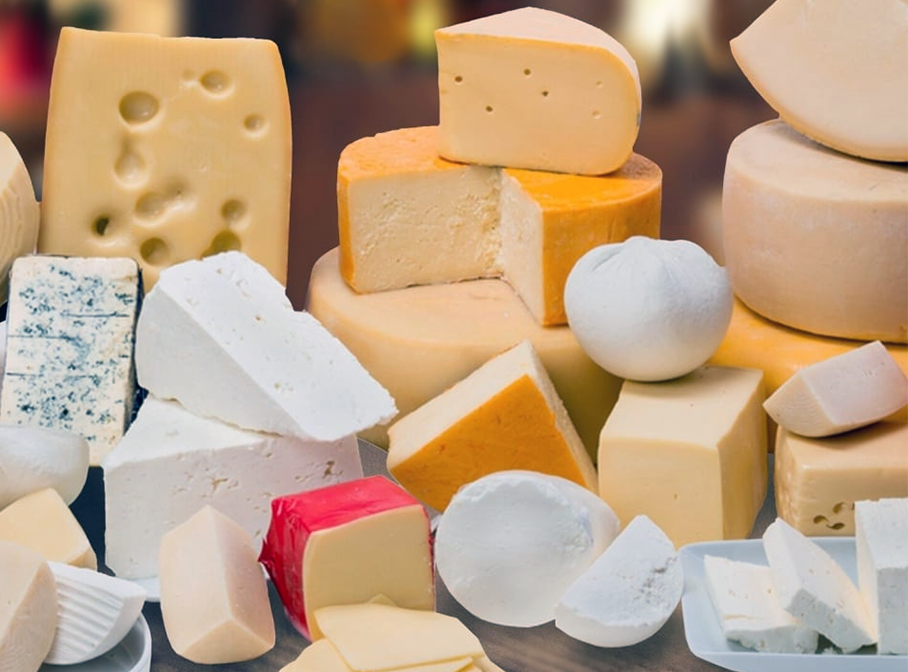 Mixed hard, soft and blue cheeses.
Welcome to FabulousFusionFood's Cheese-based Recipes Page — This is a continuation of an entire series of pages that will, I hope, allow my visitors to better navigate this site. As well as displaying recipes by name, country and region of origin I am now planning a whole series of pages where recipes can be located by meal type and main ingredient. This page gives a listing of all the cheese and cheese-based recipes added to this site.
Cheese is a type of dairy product formed by the coagulation of the milk protein casein. Prior to refrigeration, the production of cheese and yoghurts were some of the few ways that milk could be preserved for long-terms storage. It comprises proteins and fat from milk (usually the milk of cows, buffalo, goats or sheep). During production, milk is usually acidified and either the enzymes of rennet or bacterial enzymes with similar activity are added to cause the casein to coagulate. The solid curds are then separated from the liquid whey and pressed into finished cheese. Some cheeses have aromatic moulds on the rind, the outer layer, or throughout.
Most cheeses are acidified by bacteria, which turn milk sugars into lactic acid; the addition of rennet completes the curdling. Vegetarian varieties of rennet are available; most are produced through fermentation by the fungus Mucor miehei, but others have been extracted from Cynara thistles. For a few cheeses, the milk is curdled by adding acids such as vinegar or lemon juice.
The word cheese comes from Latin caseus, from which the modern word casein is derived. The earliest source is from the proto-Indo-European root *kwat-, which means "to ferment, become sour". That gave rise to cīese or cēse (in Old English) and chese (in Middle English). Similar words are shared by other West Germanic languages—West Frisian tsiis, Dutch kaas, German Käse, Old High German chāsi—all from the reconstructed West-Germanic form *kāsī, which in turn is an early borrowing from Latin.
When the Romans began to make hard cheeses for their legionaries' supplies, a new word started to be used: formaticum, from caseus formatus, or "cheese shaped in a mold". It is from this word that the French fromage, standard Italian formaggio, Catalan formatge, Breton fourmaj, and Occitan fromatge (or formatge) are derived. Of the Romance languages, Spanish, Portuguese, Romanian, Tuscan and some Southern Italian dialects use words derived from caseus (queso, queijo, caș, cacio and caso for example).
Cheese is an ancient food whose origins predate recorded history. There is no conclusive evidence indicating where cheesemaking originated, whether in Europe, Central Asia or the Middle East. The earliest proposed dates for the origin of cheesemaking range from around 8000 BCE, when sheep were first domesticated. Because animal skins and inflated internal organs have provided storage vessels for a range of foodstuffs since ancient times, it is probable that the process of cheese making was discovered accidentally by storing milk in a container made from the stomach of an animal, resulting in the milk being turned to curd and whey by the rennet from the stomach. There is a legend—with variations—about the discovery of cheese by an Arab trader who used this method of storing milk.
The recipes given here are sourced from around the world, and give a broad view of cheese-based dishes globally as well as presenting historical recipes from the ancient Greek and Roman worlds.
The alphabetical list of all the cheese-based recipes on this site follows, (limited to 100 recipes per page). There are 1429 recipes in total:
Page 8 of 15
| Linguine and Trumpet Chanterelles Origin: Britain | Marigold Cheese Soup Origin: Britain | Minestra (Mixed Vegetable Soup) Origin: Serbia |
| Linguine with Chanterelles and Leeks Origin: Italy | Marillenknoedel (Austrian Apricot Dumplings) Origin: Austria | Minestra di farro (Tuscan Farro Soup with White Beans and Vegetables) Origin: Italy |
| Linguine with saffron, roasted garlic, herb butter and hazelnuts Origin: Britain | Marinara Pizza Origin: Italy | Minestra siciliana di Pasqua (Sicilian Easter Soup) Origin: Italy |
| Liphaphatha (Lesothan Bakestone Bread) Origin: Lesotho | Marzipan Centre Bundt Cake Origin: Fusion | Minestrone Toscana (Tuscan Minestrone Soup) Origin: Italy |
| Liv Syrnyk (Easter Cheesecake with Sultanas) Origin: Ukraine | Mascarpone Cupcakes with Strawberry Glaze Origin: American | Mini Curried Shepherd's Pie Origin: South Africa |
| Llysiau Gyda Saws Caws (Vegetables in a Cheese Sauce) Origin: Welsh | Mattar Paneer (Green Peas and Curd Cheese Curry) Origin: Britain | Mini Goat's Cheese and Sunblush Tomato Muffins (Mini Goat's Cheese and Sunblush Tomato Muffins) Origin: Britain |
| Locro de papa (Ecuadorian potato and cheese soup) Origin: Ecuador | Mattar Paneer Curry Origin: India | Mini Victoria Sandwiches Origin: Britain |
| Locro de Zapallo Origin: Peru | Mattar Panir Origin: Britain | Mint Chocolate Meringue Cheesecake Origin: American |
| Lokše (Slovak Potato Pancakes) Origin: Slovakia | Meadow Waxcap Frittata Origin: Britain | Mixtura cum Caseo (Soft Cheese with a Herb Purée) Origin: Roman |
| Loseyns (Lozenges) Origin: England | Meat Feast Pizza Origin: American | Mixtura cum Caseo (Soft Cheese and Herb Purée) Origin: Roman |
| Louisiana Cajun Pizza Origin: American | Mediterranean-style Farro Salad with Rocket and Walnuts Origin: America | Mixtura cum Nucibus (Hazelnuts with Herb Purée) Origin: Roman |
| Lumbardy Tarts Origin: Britain | Medlar Muffins with Medlar Cream Cheese Icing Origin: Britain | Monkfish Wellington Origin: Britain |
| M'chaqub (Stuffed Matzoh) Origin: Libya | Mel et caseum (Honey-sweetened Cheese) Origin: Roman | Monterey Jack Cheese, Olive and Prawn Dip Origin: American |
| Mâche Sabayon with Parmesan Shavings Origin: France | Melcas (Cheese Sweetened with Honey) Origin: Roman | Moretum (Garlic and Herb Pâté) Origin: Roman |
| Mac'N'Cheese Origin: American | Melintzanes Yiemistes (Stuffed Aubergines) Origin: Cyprus | Mornay Toasts Origin: Britain |
| Macadamia Nut Cheesecake Origin: American | Methi Paneer Origin: India | Mousakkas (Cypriot Moussaka) Origin: Cyprus |
| Macaroni Cheese Origin: Britain | Mexican Beef Quesadilla Origin: Mexico | Moussaka Origin: Greece |
| Macaroni Soup Origin: British | Mexican Beef Tostada Origin: Mexico | Mozzarella Fritters Origin: Ireland |
| Mackerel Burger with Sweet Potato Chips Origin: Fusion | Mexican Chicken Pizza Origin: American | Mozzarella-stuffed Mushrooms Origin: Britain |
| Macrows Origin: England | Mexican Fiesta Dip Origin: America | Mucver (Turkish Courgette Patties) Origin: Turkey |
| Madarch a Chaws Pob (Mushroom Rarebit) Origin: Welsh | Mexican Rice Origin: America | Mulled Wine Cheesecake Origin: Britain |
| Maids of Honour Tarts Origin: Britain | Mexican Spirals Origin: American | Mulled Wine Cheesecake II Origin: Britain |
| Makaronia Pastitsio (Macaroni with Minced Meat and Bechamel Sauce) Origin: Cyprus | Microwave Amaretto Cheesecake with Raspberry Sauce Origin: Britain | Mushroom and Sea Aster Rustic Pie Origin: British |
| Makaronia tou Fournou (Oven-baked Macaroni with Layers of Minced Meat) Origin: Cyprus | Microwave Bacon Dip Origin: Britain | Mushroom and Spinach Rustic Pie Origin: Britain |
| Makerouns (Macaroni) Origin: England | Microwave Chimpanzee Cheesecake Origin: American | Mushroom Cheese Blintzes Origin: Jewish |
| Malai Kofta with Spicy Gravy Origin: India | Microwave Mint Julep Cheesecake Origin: American | Mushroom Cobbler Origin: Britain |
| Malai Tikka Origin: Britain | Microwave Pasta alla Carbonara Origin: Britain | Mushroom Pâté en Croûte Origin: Britain |
| Mallow Cheese Meringues Origin: Britain | Microwave Spaghetti with Garlic Sausage Origin: Britain | Mushroom Pie Origin: France |
| Mallow Cheese with Seaweed Paste Origin: Fusion | Microwave Spinach and Cheese Soufflé Origin: Britain | Mushrooms Risotto Origin: Italy |
| Maltese Pastizzi Origin: Malta | Milanesa Uruguaya Origin: Uruguay | Mustacei (Must Rolls) Origin: Roman |
| Malvaceae Marshmallows Origin: Britain | Milanese Ragôut Origin: British | Mustard Beef with Potato Gratin Origin: Australia |
| Mango and Lemon Myrtle Cheese Cake Origin: Australia | Milka Micic (Cheese-filled Crepes) Origin: Serbia | Myma (Baked Plaice) Origin: Roman |
| Mango Bingsu (Korean Mango Shaved Ice) Origin: Korea | Milkless Pineapple Cheesecake Origin: American | |
| Marble Cupcakes Origin: Britain | Minchet Abish Wot Origin: Ethiopia |
Page 8 of 15