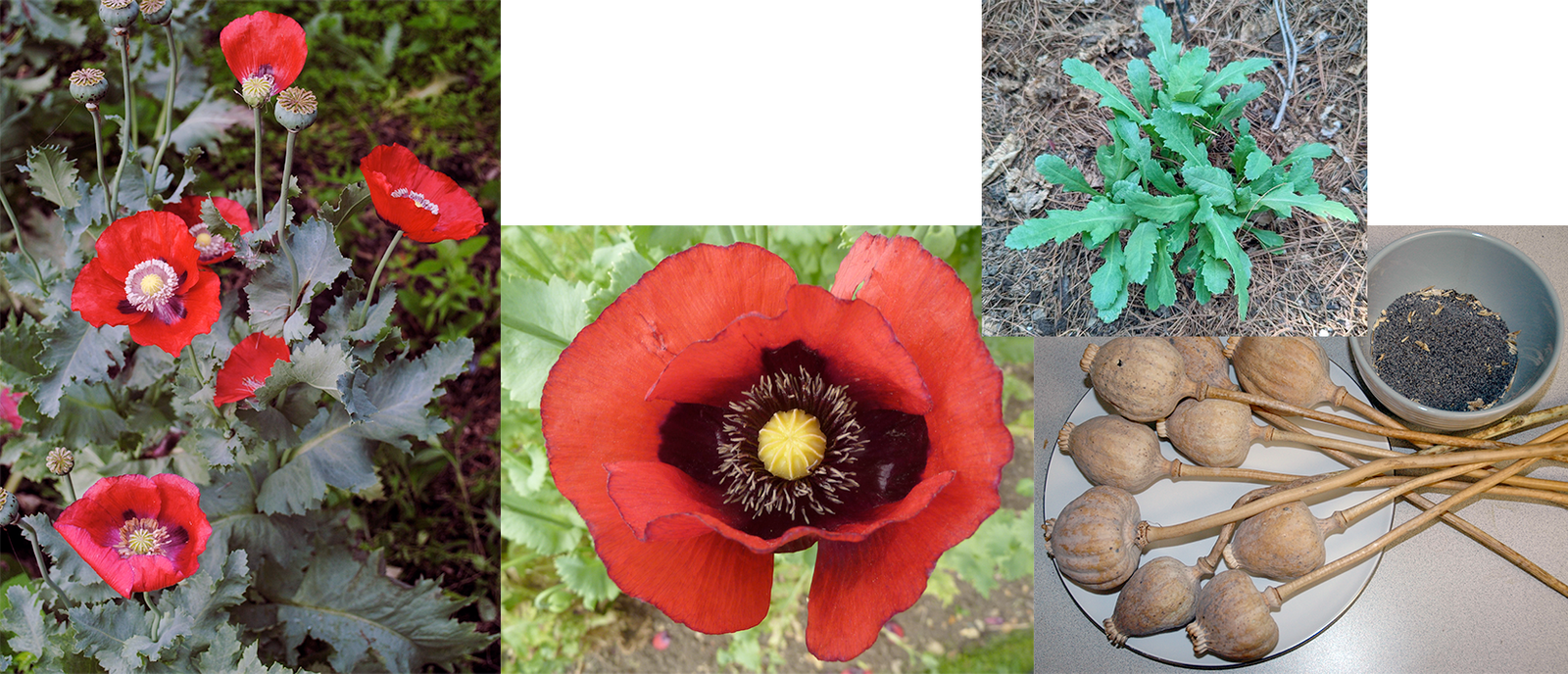
 Opium Poppy (Papaver somniferum), showing a mature plant
(left), the open flower, the mature seed heads and seeds and a
young plant with edible leaves..
| Common Name: Opium Poppy |
| Scientific Name: Opium Poppy |
| Other Names: breadseed poppy |
| Family: Papaveraceae |
| Range: Europe to Asia, though the original habitat is obscure. In Britain it is only occasionally found in the wild as an escapee from garden cultivation. |
Physical Characteristics Opium Poppy, Papaver somniferum is hardy to UK zone 7 and is not frost tender. It is in flower from July to August. The species is hermaphrodite (has both male and female organs) and is pollinated by Bees. The plant is self-fertile.
Suitable: ight (sandy), medium (loamy) and heavy (clay) soils and prefers well-drained soil. Suitable pH: mildly acid, neutral and basic (mildly alkaline) soils. It cannot grow in the shade. It prefers moist soil. |
| Edible Parts: Flower petals, Leaves, Seeds, Oli |
 Edibility Rating: 4 Edibility Rating: 4 
|
 Known Hazards: This plant contains a number of very toxic compounds, many of which are extracted and used as pain killers etc in medicine. They are also used to make various highly addictive narcotic drugs. However, in the cooler climate of Britain these compounds are not formed in sufficient quantity to make their extraction worthwhile. There are no toxins in the seeds. Known Hazards: This plant contains a number of very toxic compounds, many of which are extracted and used as pain killers etc in medicine. They are also used to make various highly addictive narcotic drugs. However, in the cooler climate of Britain these compounds are not formed in sufficient quantity to make their extraction worthwhile. There are no toxins in the seeds.
|
Monthly Availability: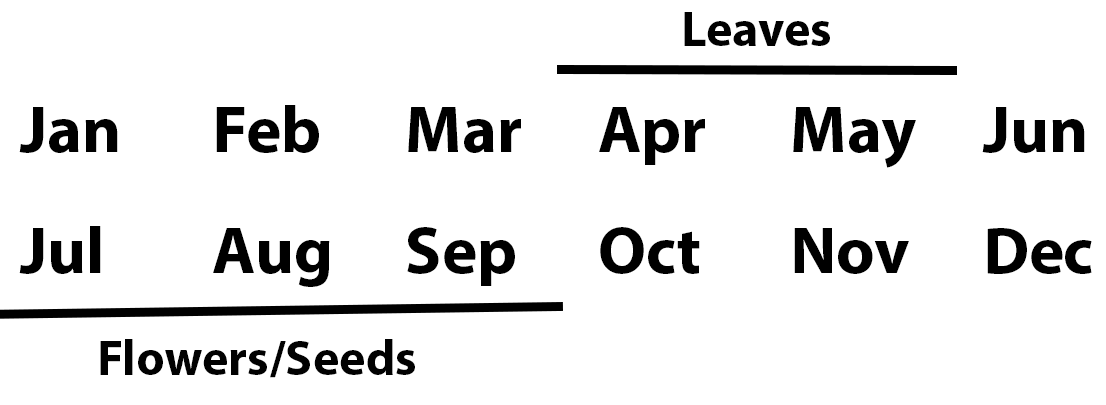
|
Welcome to the summary page for FabulousFusionFood's Wild Food guide to Opium Poppy along with all the Opium Poppy containing recipes presented on this site, with 74 recipes in total.
These recipes, all contain Opium Poppy as a major wild food ingredient.
Opium Poppy (Papaver somniferum is an annual flowering herb in n the family Papaveraceae. It is the species of plant from which both opium and poppy seeds are derived and is also a valuable ornamental plant grown in gardens. Its native range is the western Mediterranean region, but has since been obscured by widespread introduction and cultivation since ancient times to the present day. It is now naturalised across much of the world with temperate climates.
Papaver somniferum is an annual herb growing to about 100 centimetres (40 inches) tall. The plant is strongly glaucous, giving a greyish-green appearance, and the stem and leaves bear a sparse distribution of coarse hairs. The large leaves are lobed, the upper stem leaves clasping the stem, the lowest leaves with a short petiole.: The flowers are up to 8–18 cm in diameter, normally with four red, white, or mauve petals, often with a dark patch at the base of each petal. The fruit is a hairless, rounded capsule topped with 12–18 radiating stigmatic rays, or fluted cap. All parts of the plant exude white latex when wounded.
The native range of opium poppy is probably Macaronesia, W. and Central Mediterranean, but extensive cultivation and introduction of the species throughout Europe since ancient times have obscured its origin. It has escaped from cultivation, or has been introduced and become naturalised extensively in all regions of the British Isles, particularly in the south and east.
In the growth development of P. somniferum, six stages can be distinguished. The growth development starts with the growth of the seedlings. In a second step the rosette-type leaves and stalks are formed. After that budding (hook stage) takes place as a third step. The hook stage is followed by flowering. Subsequently, technical maturity is reached, which means that the plant is ready for cutting. The last step is biological maturity; dry seeds are ripened. The photoperiod seems to be the main determinant of flower development of P. somniferum.
Poppy seeds from Papaver somniferum are an important food item and the source of poppy seed oil, an edible oil that has many uses. The seeds contain very low levels of opiates and the oil extracted from them contains even less. Both the oil and the seed residue also have commercial uses.
As has already been mentioned, poppy seeds are edible and are used as a flavouring in cakes, bread, fruit salads etc, it imparts a very nice nutty flavour. The crushed and sweetened seeds are used as a filling in crepes, strudels, pastries etc. They are also used in curries, most notably in curry powders from Tamil Nadu (see recipe below). Highly nutritious, the seed contains about 22.7% protein, 48% fat, 9.8% carbohydrate, 7.1% ash. It is also a good source of lecithin. The seeds are rather small, but there are large numbers of them contained in capsules 3cm or more in diameter and so they are easy to harvest and utilize. The seeds are perfectly safe to eat, containing very little if any of the narcotic principles. However, although the seeds contain no narcotic alkaloids, analysis of the urine following their ingestion may produce similar results to the analysis of the urine of morphine or heroin addicts. The seeds are also used as the base for some curries.
The young leaves are edible, raw or cooked. They must be used before the flower buds have formed. In some countries they are eaten at the seedling stage. One report says that the leaves do not contain any narcotic compounds. Some caution is advised, see notes at top of the page. A high quality edible drying oil is obtained from the seed. It has an almond-like flavour and makes a good substitute for olive oil. The flower petals are also edible.
[2]. Huxley, A. The New RHS Dictionary of Gardening. 1999
[3]. Tanaka, T. Tanaka's Cyclopaedia of Edible Plants of the World.
[4]. Lim T.K. Edible Medicinal And Non-Medicinal Plants, Vols 1–12.
[5]. Thomas, G. S. Perennial Garden Plants, 2004
[6]. Milner, E. Trees of Britain and Ireland, 2011
[7]. Rose, F. & O'Reilly, C. The Wild Flower Key (Revised Edition) — How to identify wild plants, trees and shrubs in Britain and Ireland, 2006
[8]. Streeter, D. & Garrard, I. The Wild Flowers of the British Isles, 1983
[9]. Clapham, A.R.; Tutin, T.G. & Moore, D.M. Flora of the British Isles, 1987
[10]. Phillips, R. Mushrooms, 2006
[11]. Jordan, P. & Wheeler, S. The Complete Book of Mushrooms: An Illustrated Encyclopedia of Edible Mushrooms, 2011
[12]. Bunker, F. Seaweeds of Britain and Ireland, Second Edition, 2017
[13]. Facciola, S. Cornucopia II — A Source Book of Edible Plants, 1998
[14]. Hartford, R. Edible and Medicinal Wild Plants of Britain and Ireland: A Foraging and Photographic Identification Guide
(Note that the above book links are Amazon Affiliate links)
These recipes, all contain Opium Poppy as a major wild food ingredient.
Opium Poppy (Papaver somniferum is an annual flowering herb in n the family Papaveraceae. It is the species of plant from which both opium and poppy seeds are derived and is also a valuable ornamental plant grown in gardens. Its native range is the western Mediterranean region, but has since been obscured by widespread introduction and cultivation since ancient times to the present day. It is now naturalised across much of the world with temperate climates.
Papaver somniferum is an annual herb growing to about 100 centimetres (40 inches) tall. The plant is strongly glaucous, giving a greyish-green appearance, and the stem and leaves bear a sparse distribution of coarse hairs. The large leaves are lobed, the upper stem leaves clasping the stem, the lowest leaves with a short petiole.: The flowers are up to 8–18 cm in diameter, normally with four red, white, or mauve petals, often with a dark patch at the base of each petal. The fruit is a hairless, rounded capsule topped with 12–18 radiating stigmatic rays, or fluted cap. All parts of the plant exude white latex when wounded.
The native range of opium poppy is probably Macaronesia, W. and Central Mediterranean, but extensive cultivation and introduction of the species throughout Europe since ancient times have obscured its origin. It has escaped from cultivation, or has been introduced and become naturalised extensively in all regions of the British Isles, particularly in the south and east.
In the growth development of P. somniferum, six stages can be distinguished. The growth development starts with the growth of the seedlings. In a second step the rosette-type leaves and stalks are formed. After that budding (hook stage) takes place as a third step. The hook stage is followed by flowering. Subsequently, technical maturity is reached, which means that the plant is ready for cutting. The last step is biological maturity; dry seeds are ripened. The photoperiod seems to be the main determinant of flower development of P. somniferum.
Poppy seeds from Papaver somniferum are an important food item and the source of poppy seed oil, an edible oil that has many uses. The seeds contain very low levels of opiates and the oil extracted from them contains even less. Both the oil and the seed residue also have commercial uses.
As has already been mentioned, poppy seeds are edible and are used as a flavouring in cakes, bread, fruit salads etc, it imparts a very nice nutty flavour. The crushed and sweetened seeds are used as a filling in crepes, strudels, pastries etc. They are also used in curries, most notably in curry powders from Tamil Nadu (see recipe below). Highly nutritious, the seed contains about 22.7% protein, 48% fat, 9.8% carbohydrate, 7.1% ash. It is also a good source of lecithin. The seeds are rather small, but there are large numbers of them contained in capsules 3cm or more in diameter and so they are easy to harvest and utilize. The seeds are perfectly safe to eat, containing very little if any of the narcotic principles. However, although the seeds contain no narcotic alkaloids, analysis of the urine following their ingestion may produce similar results to the analysis of the urine of morphine or heroin addicts. The seeds are also used as the base for some curries.
The young leaves are edible, raw or cooked. They must be used before the flower buds have formed. In some countries they are eaten at the seedling stage. One report says that the leaves do not contain any narcotic compounds. Some caution is advised, see notes at top of the page. A high quality edible drying oil is obtained from the seed. It has an almond-like flavour and makes a good substitute for olive oil. The flower petals are also edible.
References:
[1]. David Evans Notes from field observations, tastings and cookery experiments.[2]. Huxley, A. The New RHS Dictionary of Gardening. 1999
[3]. Tanaka, T. Tanaka's Cyclopaedia of Edible Plants of the World.
[4]. Lim T.K. Edible Medicinal And Non-Medicinal Plants, Vols 1–12.
[5]. Thomas, G. S. Perennial Garden Plants, 2004
[6]. Milner, E. Trees of Britain and Ireland, 2011
[7]. Rose, F. & O'Reilly, C. The Wild Flower Key (Revised Edition) — How to identify wild plants, trees and shrubs in Britain and Ireland, 2006
[8]. Streeter, D. & Garrard, I. The Wild Flowers of the British Isles, 1983
[9]. Clapham, A.R.; Tutin, T.G. & Moore, D.M. Flora of the British Isles, 1987
[10]. Phillips, R. Mushrooms, 2006
[11]. Jordan, P. & Wheeler, S. The Complete Book of Mushrooms: An Illustrated Encyclopedia of Edible Mushrooms, 2011
[12]. Bunker, F. Seaweeds of Britain and Ireland, Second Edition, 2017
[13]. Facciola, S. Cornucopia II — A Source Book of Edible Plants, 1998
[14]. Hartford, R. Edible and Medicinal Wild Plants of Britain and Ireland: A Foraging and Photographic Identification Guide
(Note that the above book links are Amazon Affiliate links)
The alphabetical list of all Opium Poppy recipes on this site follows, (limited to 100 recipes per page). There are 74 recipes in total:
Page 1 of 1
| Aish bel-Lahm (Bread with Lamb) Origin: Saudi Arabia | Khowsuey Origin: Chile | Phthois (Pastry Rounds) Origin: Roman |
| Andhra Kodi Kura (Andhra Chicken Curry) Origin: India | Kohlapuri Chicken (Maharashtra Chicken Curry) Origin: India | Pistachio Dukkah Origin: Australia |
| Basyniai (Walnut and Fig Cakes) Origin: Roman | Kutia Origin: Ukraine | Poppy Seed and Blackberry Cake Origin: Ancient |
| Beetroot and Mint Soda Bread Rolls Origin: Ireland | Lazeez Lauki (Tasty Stuffed Bottle Gourd) Origin: India | Poppy Seed and Lemon Cheesecake (Poppy Seed and Lemon Cheesecake/title>) Origin: Britain |
| Beigli Origin: Hungary | Leavened Bread Origin: Ancient | Poppy Seed Cake Origin: Britain |
| Beriani Origin: Brunei | Lebanese-style Braaied Fruit Salad Origin: South Africa | Poppy Seed Cheese Straws Origin: Britain |
| Bhojpur Mutton Curry Origin: India | Lemon and Poppy Seed Cupcakes Origin: British | Poppy Seed Kolache Origin: Croatia |
| Boletinos Artos (Mushroom Bread) Origin: Roman | Lemon and Poppy Seed Muffins Origin: Britain | Poppyseed Kolaches Origin: Czech |
| Bottle Masala Origin: India | Lemon and Poppyseed Cupcakes Origin: Britain | Potato Buns Origin: Ireland |
| British Spicy Bread Origin: Britain | Lemon Poppy Seed Cake Origin: Britain | Pullau Chicken Origin: South Africa |
| Buchty (Poppy Seed Buns) Origin: Czech | Makovnjaca (Poppy Seed Roll) Origin: Croatia | Samish Mirchi Soup (Mulligatawny Soup) Origin: India |
| Canastitas de Queso (Cheese-filled Baskets) Origin: Spain | Malai Kofta with Spicy Gravy Origin: India | Savillum (Cheese Bread) Origin: Roman |
| Christmas Island Beriani Origin: Christmas Island | Malawi Curry Powder Origin: Malawi | Sea Spaghetti with Garlic and Butter Origin: Ireland |
| Chuoereg (Armenian Easter Bread) Origin: Armenia | Malaysian Beriani Origin: Malaysia | Sevillum (Sweetened Cheese Dough) Origin: Roman |
| Gastris (Nut Cake) Origin: Roman | Masala Meusi Origin: East Africa | Shichimi Togarashi (Japanese Seven-spice Powder) Origin: Japan |
| Globi (Fried Cheese and Poppy-seed Balls) Origin: Roman | Mulligatawny Soup Origin: Anglo-Indian | Shukto Origin: Bangladesh |
| Goan Crab Claw Curry Origin: India | Naatukodi Pulusu (Country Chicken Sour Curry) Origin: India | Sicilian Lemon Polenta Cake Origin: Italy |
| Goan Lamb Xacutti Origin: India | Nevis Curry Powder Origin: Saint Kitts | Special Curry Powder Origin: South Africa |
| Goda Masala Origin: India | Nilgiri Chicken Korma Origin: India | Spicy Bread Origin: Fusion |
| Good Luck Chilli Biscuits Origin: Fusion | Niramish Kochur Loti (Colocasia Stem Curry) Origin: Bangladesh | St Clements Poppyseed Muffins Origin: Britain |
| Hamantaschen (Tricorn Purim Pastries) Origin: Israel | Orange and Poppy Seed Cupcakes Origin: Britain | Struan Bread Origin: Scotland |
| Hapai Hantue (Filled Buckwheat Dumplings) Origin: Bhutan | Orugli Vesak (Lemony Sponge Cake Dessert) Origin: Croatia | Tamil Nadu Meat Curry Powder Origin: India |
| Homentashn (Poppy Pockets) Origin: Jewish | Paczki (Polish Shrove Doughnuts) Origin: Poland | Varo Origin: India |
| Iflaghun Origin: Syria | Paneer Capsicum Curry Origin: India | Yoghurty Flapjacks Origin: Britain |
| Indonesian Curry Spice Paste Origin: Indonesia | Paneer Makhanwala Origin: India |
Page 1 of 1