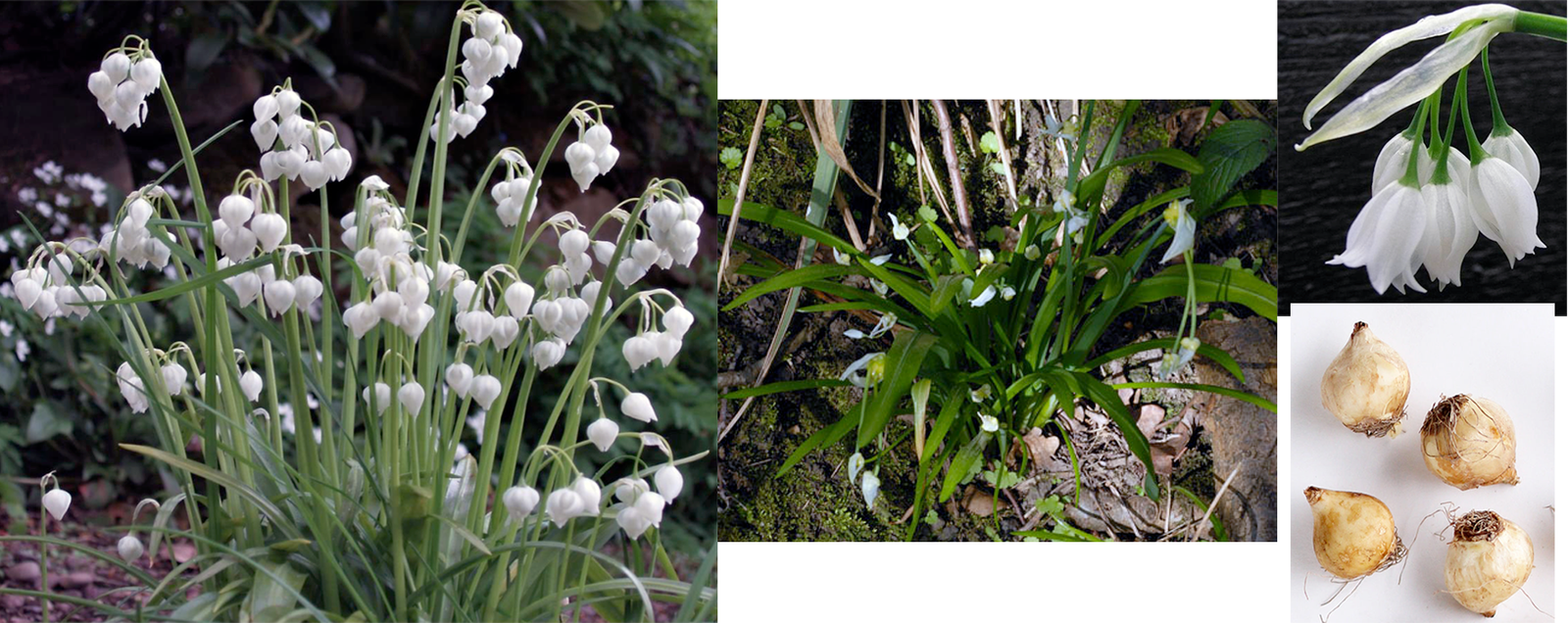
 The image, above, shows the full Few-flowered Leek plant
(Allium paradoxum), left in flower, with a young plant
(centre) and close-ups of the flowers and bulbs..
| Common Name: Few-flowered Leek |
| Scientific Name: Allium paradoxum |
| Other Names: few-flowered garlic |
| Family: Amaryllidaceae |
| Range: W. Asia - Iran. Naturalized in a number of places in Britain |
Physical Characteristics Allium paradoxum is a hardy Bulbous plant, in leaf from November to June, in flower from April to May, and the seeds ripen in June. The species is hermaphrodite (has both male and female organs) and is pollinated by Bees, insects.
Suitable: light (sandy), medium (loamy) and heavy (clay) soils and can grow in heavy clay soil. Suitable pH: mildly acid, neutral and basic (mildly alkaline) soils. It can grow in full shade (deep woodland) semi-shade (light woodland) or no shade. It prefers moist soil. |
| Edible Parts: Leaves, Flowers, Bulbs |
 Edibility Rating: 5 Edibility Rating: 5 
|
 Known Hazards: Although no individual reports regarding this species have been seen, there have been cases of poisoning caused by the consumption, in very large quantities and by some mammals, of certain members of this genus. Dogs seem to be particularly susceptible. Known Hazards: Although no individual reports regarding this species have been seen, there have been cases of poisoning caused by the consumption, in very large quantities and by some mammals, of certain members of this genus. Dogs seem to be particularly susceptible.
|
Monthly Availability: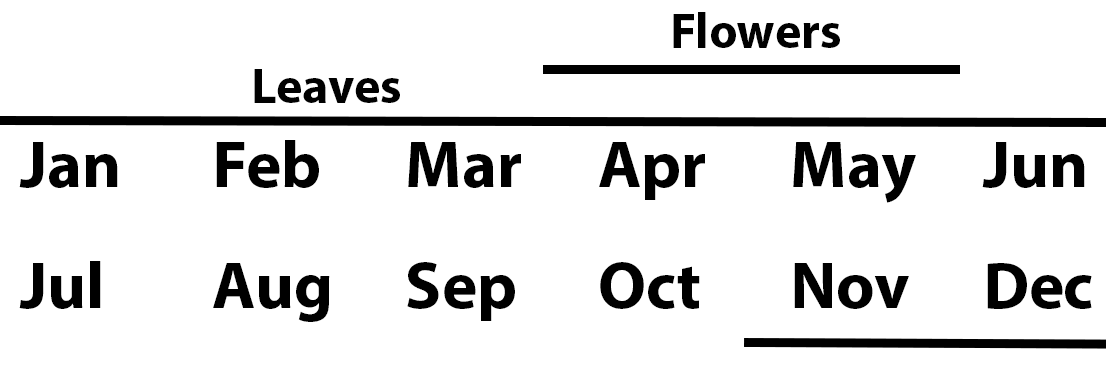
|
Welcome to the summary page for FabulousFusionFood's Wild Food guide to Few-flowered Leeks along with all the Few-flowered Leeks containing recipes presented on this site, with 10 recipes in total.
These recipes, all contain Few-flowered Leeks as a major wild food ingredient.
Few-flowered leek Allium paradoxum is an Asian species of wild onion in the Amaryllis family. It is native to mountainous regions of Iran, Caucasus, and Turkmenistan and invasive in Europe.
Allium paradoxum is a herbaceous perennial growing from a small solitary bulb to about 20–40 cm (7.9–15.7 in) in height. It has much narrower leaves, from 5 to 25 mm (0.20 to 0.98 in) wide, than Allium ursinum but a similar 'garlicky' smell. The flower stem is triangular in section. Most of the flowers are replaced by little bulbs or bulbils and the few (usually only one) proper flowers are white and hermaphrodite.
It was introduced to the British Isles in 1823 and was first recorded in the wild there in 1863, near Edinburgh. It is generally a lowland plant, and the highest record for Britain comes from Carter Bar at 375 m (1,230 ft). It is considered an invasive, non-native species in Europe. In England and Wales, the species is listed on Schedule 9 of the Wildlife and Countryside Act and as such, it is illegal to plant in the wild. The smell of the plant is particularly noticeable to a person who is approaching an area where it is growing.
The few-flowered leek is edible and can be eaten raw as well as made into dishes. It can also be used as a herb to flavour food, much in the same way as other wild garlics. The bulb can be eaten raw or cooked. The rather small bulb is up to 10mm in diameter, it has a mild garlic flavour and can be used as a flavouring in salads and cooked foods. It is harvested in early summer when the plant has died down and will store for at least 6 months. Leaves - raw or cooked. A leek substitute. The leaves are available from late autumn until the spring, they are nice in salads when they are young, or cooked as a vegetable or flavouring as they get older. The leaves have a milder and more delicate flavour than onions. Flowers - raw. Juicy with a mild garlic flavour, they make a tasty and decorative garnish on salads.
[2]. Huxley, A. The New RHS Dictionary of Gardening. 1999
[3]. Tanaka, T. Tanaka's Cyclopaedia of Edible Plants of the World.
[4]. Lim T.K. Edible Medicinal And Non-Medicinal Plants, Vols 1–12.
[5]. Thomas, G. S. Perennial Garden Plants, 2004
[6]. Milner, E. Trees of Britain and Ireland, 2011
[7]. Rose, F. & O'Reilly, C. The Wild Flower Key (Revised Edition) — How to identify wild plants, trees and shrubs in Britain and Ireland, 2006
[8]. Streeter, D. & Garrard, I. The Wild Flowers of the British Isles, 1983
[9]. Clapham, A.R.; Tutin, T.G. & Moore, D.M. Flora of the British Isles, 1987
[10]. Phillips, R. Mushrooms, 2006
[11]. Jordan, P. & Wheeler, S. The Complete Book of Mushrooms: An Illustrated Encyclopedia of Edible Mushrooms, 2011
[12]. Bunker, F. Seaweeds of Britain and Ireland, Second Edition, 2017
[13]. Facciola, S. Cornucopia II — A Source Book of Edible Plants, 1998
[14]. Hartford, R. Edible and Medicinal Wild Plants of Britain and Ireland: A Foraging and Photographic Identification Guide
(Note that the above book links are Amazon Affiliate links)
These recipes, all contain Few-flowered Leeks as a major wild food ingredient.
Few-flowered leek Allium paradoxum is an Asian species of wild onion in the Amaryllis family. It is native to mountainous regions of Iran, Caucasus, and Turkmenistan and invasive in Europe.
Allium paradoxum is a herbaceous perennial growing from a small solitary bulb to about 20–40 cm (7.9–15.7 in) in height. It has much narrower leaves, from 5 to 25 mm (0.20 to 0.98 in) wide, than Allium ursinum but a similar 'garlicky' smell. The flower stem is triangular in section. Most of the flowers are replaced by little bulbs or bulbils and the few (usually only one) proper flowers are white and hermaphrodite.
It was introduced to the British Isles in 1823 and was first recorded in the wild there in 1863, near Edinburgh. It is generally a lowland plant, and the highest record for Britain comes from Carter Bar at 375 m (1,230 ft). It is considered an invasive, non-native species in Europe. In England and Wales, the species is listed on Schedule 9 of the Wildlife and Countryside Act and as such, it is illegal to plant in the wild. The smell of the plant is particularly noticeable to a person who is approaching an area where it is growing.
The few-flowered leek is edible and can be eaten raw as well as made into dishes. It can also be used as a herb to flavour food, much in the same way as other wild garlics. The bulb can be eaten raw or cooked. The rather small bulb is up to 10mm in diameter, it has a mild garlic flavour and can be used as a flavouring in salads and cooked foods. It is harvested in early summer when the plant has died down and will store for at least 6 months. Leaves - raw or cooked. A leek substitute. The leaves are available from late autumn until the spring, they are nice in salads when they are young, or cooked as a vegetable or flavouring as they get older. The leaves have a milder and more delicate flavour than onions. Flowers - raw. Juicy with a mild garlic flavour, they make a tasty and decorative garnish on salads.
References:
[1]. David Evans Notes from field observations, tastings and cookery experiments.[2]. Huxley, A. The New RHS Dictionary of Gardening. 1999
[3]. Tanaka, T. Tanaka's Cyclopaedia of Edible Plants of the World.
[4]. Lim T.K. Edible Medicinal And Non-Medicinal Plants, Vols 1–12.
[5]. Thomas, G. S. Perennial Garden Plants, 2004
[6]. Milner, E. Trees of Britain and Ireland, 2011
[7]. Rose, F. & O'Reilly, C. The Wild Flower Key (Revised Edition) — How to identify wild plants, trees and shrubs in Britain and Ireland, 2006
[8]. Streeter, D. & Garrard, I. The Wild Flowers of the British Isles, 1983
[9]. Clapham, A.R.; Tutin, T.G. & Moore, D.M. Flora of the British Isles, 1987
[10]. Phillips, R. Mushrooms, 2006
[11]. Jordan, P. & Wheeler, S. The Complete Book of Mushrooms: An Illustrated Encyclopedia of Edible Mushrooms, 2011
[12]. Bunker, F. Seaweeds of Britain and Ireland, Second Edition, 2017
[13]. Facciola, S. Cornucopia II — A Source Book of Edible Plants, 1998
[14]. Hartford, R. Edible and Medicinal Wild Plants of Britain and Ireland: A Foraging and Photographic Identification Guide
(Note that the above book links are Amazon Affiliate links)
The alphabetical list of all Few-flowered Leeks recipes on this site follows, (limited to 100 recipes per page). There are 10 recipes in total:
Page 1 of 1
| Black Mustard Leaves, Tricorn Leek and Millet Origin: Fusion | Risotto of nettles and wild herbs Origin: Cape Verde | Wild Garlic Custard Origin: Britain |
| Few-flowered Leek Omelette Origin: Britain | Spaghetti with Scarlet Elf Cups and Wild Garlic Origin: Britain | Wild Greens Garlic Bread Origin: Britain |
| Herby Millet Rings Origin: African Fusion | Three-cornered Leek Pesto Origin: Britain | |
| Nettle, Sorrel and Lentil Pâté Origin: Britain | Wild Garlic and Nettle Soup Origin: Britain |
Page 1 of 1